
FIBC Bags for Agriculture: Complete Guide to Uses, Types, Benefits & Standards
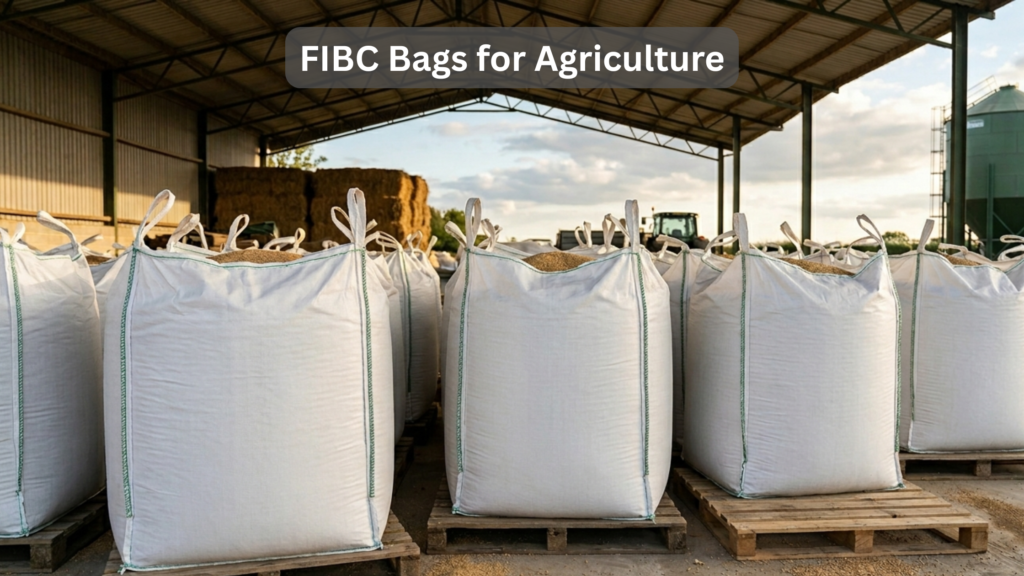
FIBC Bags for Agriculture are now an important packaging solution for safe and efficient storage and transport of bulk agricultural materials.
Whether it’s grains and seeds being held in bulk, or animal feed or fertilizer, these versatile bulk containers can assist farmers, exporters and agricultural industries in better storage, less product loss and easier logistics.
FIBC bags are highly durable, efficient in load capacity, and convenient to use, so they are widely used in modern agricultural production to seek cost-effective and sustainable packaging methods.
This guide will explain what a FIBC bag is, the various types of FIBC bags, ISO standards and how it differs from the traditional IBC container.
What Are FIBC Bags Used For?
FIBC (Flexible Intermediate Bulk Container) bags are industrial bulk packaging bags for dry, flowable products to be stored and transported in large quantities.
In the agriculture industry, FIBC bags are commonly used for:
- Grain storage
- Seeds packaging
- Fertilizer transportation
- Animal feed storage
- Flour and sugar handling
- Agricultural chemical packaging
- Export packaging for farm products
The purpose of these bags is to safely transport heavy loads and shield products from water, dirt, and outside damage.
Why Are FIBC Bags Important in Agriculture?
Bulk storage is a necessity for agricultural enterprises on a regular basis. Traditional packaging methods can cause a number of problems:
- Product leakage
- Moisture damage
- Difficult transportation
- Higher labor costs
- Poor storage efficiency
These problems are addressed by the use of customizable designs and high-strength woven polypropylene construction in FIBC Bags for Agriculture.
Key Benefits of Agricultural FIBC Bags
| Feature | Benefit |
|---|---|
| High Load Capacity | Can carry large quantities efficiently |
| Lightweight Design | Easy to transport and handle |
| Reusable Material | Cost-effective and sustainable |
| Moisture Protection | Keeps agricultural products safe |
| Space Efficient | Easy warehouse stacking |
| Customizable Sizes | Suitable for multiple crop types |
How Many Types of FIBC Bags Are There?
There are a variety of types of FIBC bags, depending on the use and safety.
Type A FIBC Bags
- Standard polypropylene bags
- No static protection
- Suitable for non-flammable agricultural products
Best For:
- Grains
- Seeds
- Animal feed
Type B FIBC Bags
- Limited electrostatic discharge protection
- Prevents highly energetic sparks
Best For:
- Dry agricultural powders
- Certain fertilizer products
Type C Conductive FIBC Bags
- Grounded conductive bags
- Used in environments with combustible dust
Best For:
- Chemical fertilizers
- Sensitive powder handling
Type D Anti-Static FIBC Bags
- Static dissipative bags
- No grounding required
Best For:
- Advanced industrial agriculture applications
- Hazardous environments
Common Agricultural Applications of FIBC Bags
Grain Storage
FIBC bags are employed by farmers to transport and store wheat, rice, corn and pulses safely in the warehouse.
Fertilizer Packaging
For packaging bulk fertilizers, moisture-resistant, durable bags which won’t leak or contaminate the product are required.
Seed Export Packaging
FIBC bags are popular among exporters because they enhance the efficiency of shipping and safeguard the seeds from humidity and external damage.
Animal Feed Storage
FIBC bags are used for maintaining the quality of feed products and also reducing the storage space requirements.
What Is the Difference Between IBC and FIBC?
IBC and FIBC containers are easily mistaken by many businesses, but they have different functions.
| Feature | IBC | FIBC |
| Full Form | Intermediate Bulk Container | Flexible Intermediate Bulk Container |
| Structure | Rigid container | Flexible woven bag |
| Material | Plastic/Metal | Polypropylene fabric |
| Best For | Liquids and chemicals | Dry bulk materials |
| Transportation | Heavier | Lightweight |
| Storage | Requires more space | Foldable and compact |
Simple Explanation
- Most use of IBC containers is for liquids.
- FIBC bags are best suited for dry ag products in bulk.
What Is the ISO Standard for FIBC Bags?
To ensure reliable performance, FIBC bags need to comply with the international safety and quality standards.
Important ISO Standards for FIBC Bags
ISO 21898
It is primarily the international standard for FIBC bag for dangerous goods and industrial bulk packaging.
It covers:
- Design requirements
- Load testing
- Safety factors
- Performance testing
UN Certification
UN certified FIBC bags may be used for particular applications of agricultural chemical products.
Factors to Consider When Choosing FIBC Bags for Agriculture
The types of products, storage and transport requirements are factors that must be considered when choosing the correct FIBC bag.
1. Load Capacity
Select bags depending on product weight and requirements for storage.
2. Moisture Resistance
Moisture protection is essential with grains and seeds.
3. Filling and Discharge Design
There are various filling and unloading systems depending on the type of agricultural products.
4. UV Protection
UV-stabilised FIBC bags are often needed for outdoor agricultural storage facilities.
5. Food-Grade Certification
In the case of agricultural products related to food, food-safe packaging standards are vital.
Real-World Example
A small sack rice export company had an undertaking to change from small sacks to FIBC Bags for Agriculture and it was successful in achieving:
- Faster loading operations
- Reduced labor costs
- Lower product wastage
- Improved export efficiency
- Better warehouse organization
This is an example of the growing importance of bulk packaging in today’s modern agriculture.
Best Practices for Using FIBC Bags
Proper Storage
- Store in dry conditions
- Avoid direct sunlight exposure for long periods
- Keep away from sharp objects
Safe Handling
- Use appropriate lifting equipment
- Do not exceed safe working load limits
- Follow manufacturer safety instructions
Regular Inspection
Check bags for:
- Fabric damage
- Seam tears
- Moisture exposure
- Lifting loop condition
Future of FIBC Bags in Agriculture
Sustainable and efficient agricultural packaging is still on the rise in the world.
Modern FIBC bags now include:
- Recyclable materials
- Advanced moisture barriers
- UV protection technologies
- Smart tracking integration
- Customized agricultural designs
FIBC bags will remain a significant part of safe and economical bulk packaging with the expected growth of agricultural exports.
Frequently Asked Questions (FAQ)
What are FIBC bags used for?
FIBC bags are suitable for bulk dry materials like grains and seeds, fertilizers and powders, animal feed etc.
How many types of FIBC bags are there?
There are primarily four kinds of FIBC bags:
- Type A
- Type B
- Type C
- Type D
Each type is designed for different industrial and safety applications.
What is the difference between IBC and FIBC?
IBC containers are rigid containers generally used for liquids, while FIBC bags are flexible woven bags mainly used for dry bulk products.
What is the ISO standard for FIBC bags?
ISO 21898 is the world-renowned standard for FIBC.
Reference Suggestions
Conclusion
The use of FIBC Bags for Agriculture is revolutionizing the storage, handling and transport of agricultural products.
They have been found to be durable, cost-effective, flexible and suited to international standards, making them a perfect packaging solution for the modern farming and agricultural exports.
Whether you are handling grains, fertilizers, seeds, or animal feed, choosing the right FIBC bag can improve operational efficiency while protecting product quality throughout the supply chain.
Looking for high-quality agricultural FIBC bags customized for your industry needs? Call a reputable bulk packaging supplier now to determine which solution is best for your agricultural operations.
