
Polyurethane Coating for Wood: Benefits, Uses, Application & Durability
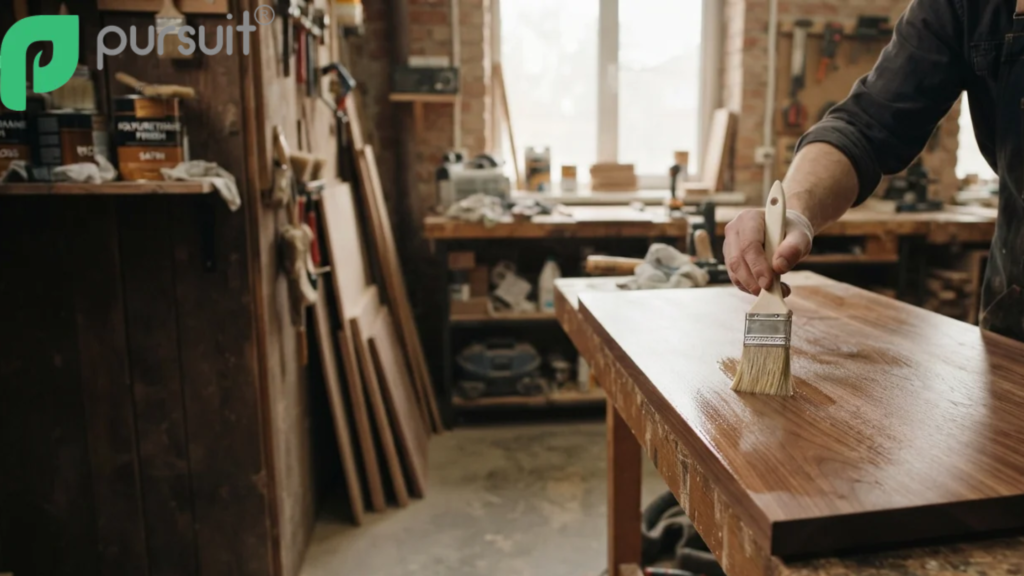
Polyurethane coating for wood is a protective finish that helps improve the durability, appearance and resistance of wooden surfaces.
It creates a protective film that helps protect wood against scratches, stains, moisture and everyday wear.
Available in water-based and oil-based formulations, polyurethane wood coating is widely used for furniture, wooden floors, cabinets, doors and other interior wood applications.
What Is Polyurethane Coating for Wood?
Polyurethane coating for wood is a protective surface finish made using polyurethane resins. It forms a durable film over the wooden surface, helping protect it from everyday damage while enhancing its natural appearance.
Also known as PU coating on wood, this finish is available in different formulations and sheen levels, including matte, satin, semi-gloss and high-gloss.
Polyurethane wood coating is commonly used for:
- Wooden furniture and tables
- Hardwood and engineered wood flooring
- Kitchen cabinets and wardrobes
- Wooden doors and window frames
- Decorative wooden panels
- Interior woodwork and furniture components
The right polyurethane finish depends on the type of wood, intended application and desired appearance.
Is Polyurethane Good for Wood?
Yes, polyurethane is a good finish for wood when you need a durable protective coating that resists scratches, stains, moisture and regular wear.
It is particularly suitable for furniture, cabinets, doors and wooden floors that experience frequent use.
Key benefits include:
- Durability: Creates a tough protective surface that withstands everyday use.
- Moisture Resistance: Helps reduce water penetration and moisture-related surface damage.
- Scratch Resistance: Provides protection against minor scratches and abrasion.
- Improved Appearance: Enhances the natural grain and appearance of wooden surfaces.
- Easy Maintenance: Creates a smooth surface that is generally easier to clean.
- Different Finishes: Available in matte, satin, semi-gloss and glossy options.
However, the performance depends on the coating formulation, surface preparation, application method and maintenance.
What Are the Different Types of Polyurethane Wood Coating?
Polyurethane wood coating is available in different formulations to meet specific finishing requirements. The two commonly used options are water-based and oil-based polyurethane.
1. Water-Based Polyurethane Coating
Water-based polyurethane coating uses water as its primary carrier and generally provides a clear finish that preserves the natural colour of wood.
Key characteristics:
- Dries relatively quickly compared with traditional oil-based finishes.
- Produces less odour during application.
- Generally maintains the original wood colour.
- Suitable for furniture, cabinets, doors and interior woodwork.
- Available in different sheen levels.
2. Oil-Based Polyurethane Coating
Oil-based polyurethane coating provides a durable protective finish and generally adds a warm or amber tone to wooden surfaces.
Key characteristics:
- Provides strong abrasion and moisture resistance.
- Enhances the warmth of natural wood.
- Suitable for furniture, flooring and high-use wooden surfaces.
- Generally requires longer drying time than water-based formulations.
- May gradually develop a yellowish or amber appearance.
Water-Based vs Oil-Based Polyurethane: What Is the Difference?
| Comparison | Water-Based PU | Oil-Based PU |
|---|---|---|
| Appearance | Clear finish | Warm or amber finish |
| Drying time | Generally faster | Generally slower |
| Odour | Generally lower | Generally stronger |
| Colour change | Minimal | Adds warmth |
| Durability | Good, formulation-dependent | Good, formulation-dependent |
| Applications | Furniture, cabinets, doors | Furniture, flooring, woodwork |
The best option depends on the required appearance, application conditions and performance expectations.
How to Apply Polyurethane Coating for Wood?
Applying polyurethane coating correctly is important for achieving a smooth, durable and consistent finish. Proper surface preparation and following the manufacturer’s application instructions can improve coating performance.
Follow these general steps:
Step 1: Prepare the Wooden Surface
Clean the wooden surface and remove dust, grease, dirt and any existing loose coating. Ensure the wood is dry before starting the application.
Step 2: Sand the Wood
Sand the wooden surface in the direction of the wood grain to achieve a smooth finish. Remove all sanding dust before applying the coating.
Step 3: Apply the First Coat
Apply a thin and even layer of polyurethane using a suitable brush, roller or spray equipment, depending on the product instructions.
Step 4: Allow Proper Drying
Allow the first coat to dry according to the manufacturer’s recommended drying time. Temperature, humidity and coating formulation can affect drying.
Step 5: Sand Between Coats
If recommended by the manufacturer, lightly sand between coats to improve adhesion and remove minor surface imperfections. Clean the surface before recoating.
Step 6: Apply Additional Coats
Apply additional thin coats as specified in the product’s technical data sheet. Avoid applying excessively thick layers, as they can cause unevenness and drying problems.
Step 7: Allow Final Curing
Allow the final coating to cure properly before using the wooden furniture or surface. Follow the manufacturer’s instructions for handling and full curing.
How Long Does Polyurethane Last on Wood?
Polyurethane coating can provide long-lasting protection for wooden surfaces, but its lifespan depends on several factors, including the coating formulation, application quality, surface preparation, usage and maintenance.
Factors that influence polyurethane coating durability include:
- Application Quality: Proper surface preparation and correct coating thickness improve performance.
- Wood Type: Different wood species can affect coating adhesion and appearance.
- Daily Usage: Frequently used surfaces experience more abrasion and wear.
- Moisture Exposure: Continuous moisture exposure can affect the condition of the coating.
- Maintenance: Regular cleaning and appropriate care help maintain the finish.
Wooden floors, furniture and cabinets may require different maintenance schedules depending on their usage conditions.
What Are the Disadvantages of Using Polyurethane on Wood?
Although polyurethane offers several protective benefits, it also has certain limitations that should be considered before application.
- Difficult Repairs: Damaged polyurethane film can be difficult to repair locally, and larger areas may require refinishing.
- Longer Drying Time: Some oil-based and specialised formulations require longer drying and curing periods.
- Application Sensitivity: Poor surface preparation or incorrect application can cause bubbles, brush marks and uneven finishes.
- Colour Changes: Oil-based polyurethane may develop an amber or yellowish tone over time.
- UV Exposure: Conventional interior polyurethane coatings may not provide sufficient protection against prolonged sunlight exposure. Exterior applications require a suitable UV-resistant formulation.
Selecting the right formulation and following application guidelines can help reduce these limitations.
What Is Polyurethane Coating Used For?
Polyurethane coating is used across different wood applications where surface protection, appearance and durability are important.
Common applications include:
1. Wooden Furniture
Polyurethane wood finish is used on tables, chairs, desks and other furniture to improve resistance to scratches, stains and daily wear.
2. Wooden Flooring
Polyurethane coating provides a protective film that helps wooden floors withstand foot traffic, abrasion and everyday surface exposure.
3. Kitchen Cabinets
PU coating on wood cabinets helps create a smooth, easy-to-clean surface while improving resistance to regular household use.
4. Wooden Doors and Windows
Polyurethane finishes enhance the appearance of wooden doors and frames while providing a protective surface against everyday exposure.
5. Decorative Wood Panels
Polyurethane wood coating is also used on decorative panels, interior fittings and wooden surfaces where a consistent finish is required.
The selected coating should always match the intended application and exposure conditions.
How Do You Choose the Best Polyurethane Coating for Wood?
Choosing the best polyurethane coating for wood requires considering the application, desired finish and expected performance.
Consider these important factors:
- Type of Application: Choose a formulation suitable for furniture, flooring, cabinets or other wood surfaces.
- Finish Preference: Select matte, satin, semi-gloss or gloss according to the desired appearance.
- Water or Oil-Based: Compare drying time, colour, odour and performance requirements.
- Durability Requirements: Consider expected abrasion, moisture and chemical exposure.
- Application Method: Check whether the coating is suitable for brush, roller or spray application.
- Manufacturer Specifications: Review the technical data sheet for coverage, drying time, recommended coats and application conditions.
Selecting the correct PU finish on wood helps achieve the required appearance and protective performance.
Frequently Asked Questions About Polyurethane Coating for Wood
1. Is polyurethane good for wood?
Yes. Polyurethane is a popular wood finish because it creates a protective film that improves resistance to scratches, stains, moisture and everyday wear. It is commonly used on furniture, cabinets, wooden floors and doors.
2. How long does polyurethane last on wood?
Polyurethane can last for many years when properly applied and maintained. Its actual lifespan depends on the formulation, application quality, surface preparation, usage and environmental conditions.
3. What are the disadvantages of using polyurethane?
The main disadvantages include difficult repairs, application sensitivity, potential colour changes, longer drying times for some formulations and limited UV resistance in conventional interior products.
4. What is polyurethane coating used for?
Polyurethane coating is used to protect and finish wooden furniture, flooring, cabinets, doors, window frames and decorative panels. It helps improve surface durability and appearance.
5. Is water-based or oil-based polyurethane better for wood?
Both have advantages. Water-based polyurethane generally dries faster, produces less odour and maintains a clearer appearance.
Oil-based polyurethane generally provides a warmer finish and strong surface protection. The choice depends on the application and desired result.
6. Can polyurethane make wood waterproof?
Polyurethane improves the water resistance of wood by creating a protective surface film. However, it does not make wood completely waterproof, especially when exposed to prolonged moisture or standing water.
7. Can polyurethane coating be applied to wooden furniture?
Yes. Polyurethane coating is commonly used on wooden furniture such as tables, chairs, cabinets and wardrobes to improve durability, appearance and resistance to everyday wear.
Conclusion
Polyurethane coating for wood is an effective finishing option for improving the appearance and durability of wooden surfaces.
Whether used on furniture, flooring, cabinets or doors, the right polyurethane wood coating can provide a smooth protective finish and help maintain the natural beauty of wood.
Understanding the differences between water-based and oil-based polyurethane, following proper application techniques and selecting a formulation suited to the intended use are essential for achieving consistent finishing results.
Looking for Reliable Polyurethane Manufacturing Solutions? Partner with Pursuit Industries
Selecting the right polyurethane materials is important for achieving consistent quality, performance and reliability in industrial manufacturing applications.
Pursuit Industries is an established polyurethane manufacturer offering solutions such as blended polyols, polyester polyols and polyurethane adhesives for diverse industrial requirements.
With an annual polyurethane production capacity of 48,000 MT, Pursuit Industries focuses on manufacturing capabilities, quality consistency and reliable supply for its customers.
Why Choose Pursuit Industries?
- Established polyurethane manufacturing capabilities
- Consistent quality and batch testing
- Industrial polyurethane product solutions
- Bulk manufacturing and supply capabilities
- Experience serving international markets
Whether you are sourcing polyurethane materials for industrial manufacturing or exploring suitable polyurethane solutions for your business, connect with our team to discuss your requirements.
Looking for a reliable polyurethane manufacturing partner?
Contact Pursuit Industries to discuss your product requirements and business enquiries.
Explore Our Polyurethane Solutions: https://pursuitind.com/polyurethane/
Request an Enquiry: https://pursuitind.com/contact-us/
