
What is Polyurethane PU? Complete Guide to Uses, Types & Safety
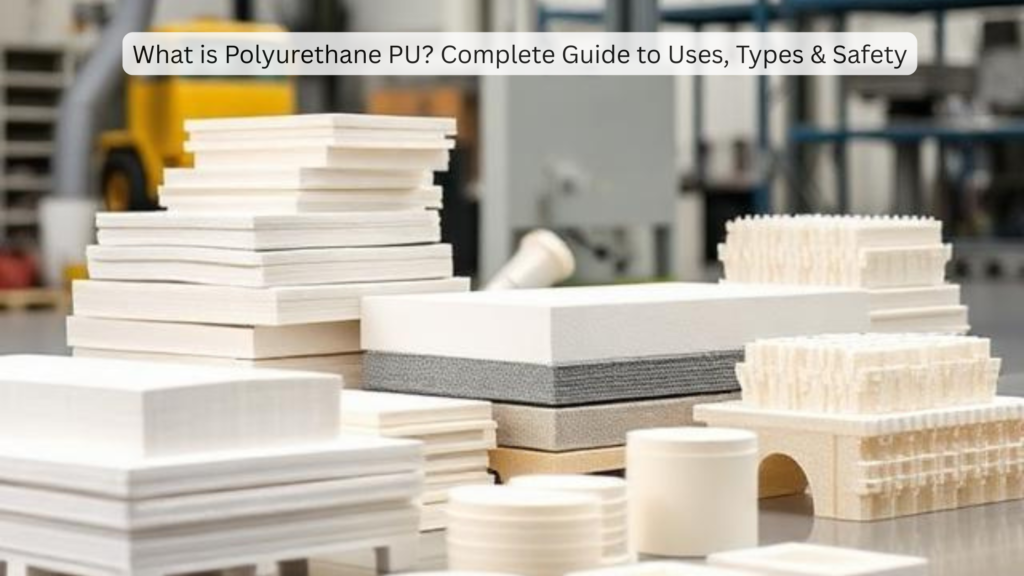
Polyurethane PU is a highly versatile material that is applicable in the contemporary industries.
Polyurethane can be customized to suit a broad variety of applications, which include soft foams in mattresses, rigid insulation panels in construction, etc.
Thanks to its distinctive chemical composition, PU may act as both plastic and rubber, which is why it is a desirable material nowadays in manufacturing, automotive, construction, and industrial production.
In this guide, we will discuss all you need to know about polyurethane PU such as its types, applications, safety, and its comparison to other materials.
What is PU Polyurethane?
Polyurethane (PU) is polymer that is created as a result of the interaction between polyols and diisocyanates.
This is a chemical reaction that forms material that can be designed to be either soft or hard.
When compared to conventional plastics, PU polyurethane is more durable, elastic and resistant to chemicals and abrasion.
Key Characteristics:
- Very flexible or rigid (configurable)
- Excellent wear resistance
- Strong adhesion properties
- Lightweight yet durable
Is Polyurethane Plastic or Rubber?
A common question is whether polyurethane PU is plastic or rubber.
The solution: It is neither-and both.
Polyurethane is classified as an elastomer, meaning it combines properties of both materials.
| Property | Plastic | Rubber | Polyurethane PU |
|---|---|---|---|
| Flexibility | Low | High | Adjustable |
| Strength | Medium | Medium | High |
| Durability | Moderate | Moderate | Excellent |
| Abrasion Resistance | Low | Medium | Very High |
It is this hybrid quality that has made polyurethane such a popular product.
Types of Polyurethane PU
1. Polyurethane PU Foam
Polyurethane PU foam is one of the most widespread types that are available in two forms:
- Flexible foam- Applied in cushions, furniture and mattresses.
- Rigid foam – Insulation and construction.
This is a lightweight type at a low cost and offers great thermal insulation.
2. PU Coatings
Use of polyurethane coatings is common in:
- Paints
- Varnishes
- Protective finishes
They offer strong resistance to chemicals, moisture, and weather conditions.
3. PU Elastomers
PU is an elastomer that finds applications in industries where durability is paramount:
- Wheels
- Rollers
- Seals
These materials are more effective in high-stress conditions as compared to traditional rubber.
4. PU Tubes and Pneumatic Hoses
Polyurethane tubes (PU pneumatic hoses) are commonly used in automation and industrial systems due to their:
- Flexibility
- Pressure resistance
- Long lifespan
5. PU Coated Gloves
Polyurethane PU coated gloves are used in industries for:
- Precision handling
- Chemical resistance
- Improved grip
Applications of Polyurethane PU
Polyurethane is used across multiple industries due to its versatility.
Construction Industry
- Insulation panels
- Sealants
- Waterproof coatings
Furniture Industry
- Cushions
- Mattresses (PU foam)
Automotive Industry
- Seats
- Interior panels
- Bumpers
Industrial Applications
- Hoses and tubes
- Conveyor belts
What is PU Leather?
PU leather or polyurethane leather is a man-made leather composed of fabric covered in polyurethane.
Key Features:
- Imitation leather that is less expensive.
- Water-resistant
- Easy to maintain
Polyurethane vs PU Leather
This is often misunderstood.
- Polyurethane (PU) = raw material
- PU leather = finished product made using PU
Comparison:
| Feature | PU Leather | Real Leather |
|---|---|---|
| Cost | Low | High |
| Maintenance | Easy | Moderate |
| Durability | Medium | High |
| Eco-Friendliness | Synthetic | Natural |
Is Polyurethane PU Safe?
One of the most sought after concerns is safety.
Safe After Curing
Polyurethane is said to be safe to use in consumer products once it is completely reacted and cured.
During Manufacturing
Raw materials in manufacturing of PU may be dangerous when not handled appropriately.
Common Safe Uses
- Furniture foam
- Footwear
- Automotive interiors
Is Polyurethane Waterproof?
Yes, polyurethane is very waterproof, and can be used in:
- Coatings
- Sealants
- Outdoor applications
Advantages of Polyurethane PU
- High durability
- Excellent abrasion resistance
- Flexible or rigid (customizable)
- Lightweight
- Resistant to chemicals and oils
Disadvantages of Polyurethane
- Not biodegradable
- Sensitive to prolonged UV exposure (in some forms)
- Requires controlled manufacturing conditions
Polyurethane vs Other Materials
PU vs Rubber
- PU is more durable and abrasion-resistant
PU vs Plastic
- PU offers better flexibility and strength
PU vs PVC
- PU is more environmentally friendly compared to PVC
Frequently Asked Questions (FAQs)
What is PU polyurethane?
Polyurethane (PU) is a polymer material and it is used as foams, coating and elastomers.
Is polyurethane PU leather?
PU leather is a synthetic material made using polyurethane.
Is polyurethane PU safe?
Yes, safe after drying and is in common use in consumer products.
Is PU 100% waterproof?
PU is water resistant and not necessarily completely waterproof depending on formulation.
Is polyurethane toxic?
Raw materials are usually toxic, whereas cured PU is usually safe.
Conclusion
Polyurethane PU is a well-rounded substance able to fill in the gap between plastic and rubber. Its flexibility in application in various industries is making it a necessity in the construction industry through to the automotive and consumer goods industry.
Polyurethane PU foam, coatings, or industrial hoses, PU remains a vital aspect of modern-day manufacturing.
