
Tarpaulins: Types, Uses, Benefits & Buying Guide
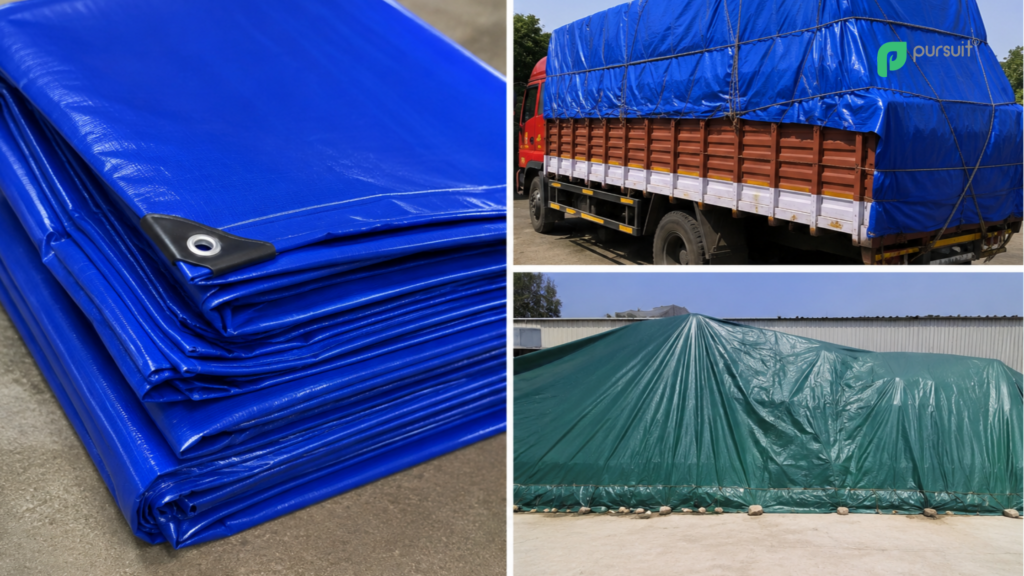
A tarpaulins is a tough covering that is used to protect people, property, objects, equipment, and land from rain, sun, dust, and other weather conditions such as crops, construction material, vehicles, etc.
They come in polyethylene, PVC and canvas and are various sizes, weights, coated and reinforced for agricultural, industrial, commercial and general use.
What Are Tarpaulins?
Identify tarpaulins and their simple functions as protecting covering materials.
What Are Tarpaulins Made Of?
- Polyethylene (PE)
- PVC
- Canvas
- Coated fabrics
- Material-specific characteristics
How Are Tarpaulins Manufactured?
- Woven fabric/base material
- Coating or lamination
- Cutting and sizing
- Hemming and reinforcement
- Eyelet installation
What Are the Different Types of Tarpaulins?
Begin with a brief answer then break it down.
What Are Polyethylene Tarpaulins?
- Construction
- Waterproofing
- Lightweight handling
- Common applications
What Are PVC Tarpaulins?
- Strength
- Weather resistance
- Heavy-duty applications
- Industrial uses
What Are Canvas Tarpaulins?
- Breathability
- Fabric characteristics
- Suitable applications
- Outdoor considerations
What Are Mesh Tarpaulins?
- Airflow
- Reduced wind resistance
- Agricultural/construction applications
What Are Heavy-Duty Tarpaulins?
- Reinforced construction
- Higher durability requirements
- Industrial and commercial applications
What Are Tarpaulins Used For?
Explain applications first, then provide industry-specific examples.
How Are Tarpaulins Used in Agriculture?
- Crop and hay covering
- Farm equipment protection
- Temporary storage
- Weather protection
How Are Tarpaulins Used in Construction?
- Building materials
- Machinery and equipment
- Temporary covers
- Construction-site protection
How Are Tarpaulins Used in Transportation?
- Truck covers
- Cargo protection
- Load covering
- Logistics applications
How Are Tarpaulins Used in Industrial Applications?
- Machinery
- Raw materials
- Warehouses
- Outdoor storage
How Are Tarpaulins Used for Outdoor and Commercial Purposes?
- Temporary shelters
- Furniture protection
- Events
- General outdoor covering
What Are the Benefits of Tarpaulins?
Do Tarpaulins Protect Against Rain and Moisture?
Explain waterproofing and water resistance according to material and construction.
Do Tarpaulins Provide UV and Sun Protection?
Explain UV-resistant options and outdoor exposure.
Are Tarpaulins Durable and Tear-Resistant?
Discuss:
- Fabric strength
- GSM/weight
- Reinforcement
- Stitching and edges
Are Tarpaulins Reusable and Cost-Effective?
Describe re-use, maintenance, storage and application lifespan; make no lifespan claims.
Are Tarpaulins Easy to Handle and Install?
Cover:
- Eyelets
- Ropes/ties
- Reinforced corners
- Folding and storage
How Do You Choose the Right Tarpaulin?
This should be one of the main commercial-intent sections.
What Application Will the Tarpaulin Be Used For?
Match the product to:
- Agriculture
- Construction
- Transportation
- Industrial storage
- General outdoor use
Which Tarpaulin Material Should You Choose?
Compare:
- PE
- PVC
- Canvas
- Mesh
What Tarpaulin Size and GSM Do You Need?
Cover:
- Required coverage area
- Material weight
- Handling requirements
- Strength requirements
How Important Are Waterproofing and UV Resistance?
Explain why these specifications matter for outdoor applications.
What Reinforcement Features Should You Check?
- Reinforced corners
- Hemmed edges
- Eyelets
- Eyelet spacing
- Tear resistance
What Should You Check Before Buying Tarpaulins?
How Do You Check Tarpaulin Material Quality?
How Do You Compare GSM and Thickness?
How Do You Check Waterproofing and UV Resistance?
What Size and Customization Options Are Available?
What Certifications and Quality Standards Should You Consider?
How Should You Evaluate a Tarpaulin Manufacturer or Supplier?
For the supplier section, of course, provide only verified manufacturer credentials, quality systems, production capability, export experience and certifications relevant to the product.
How Do You Maintain and Store Tarpaulins?
How Should You Clean a Tarpaulin?
How Should You Dry a Tarpaulin Before Storage?
How Should Tarpaulins Be Folded and Stored?
How Can You Reduce Damage During Long-Term Storage?
Frequently Asked Questions About Tarpaulins
What are tarpaulins mainly used for?
Which type of tarpaulin is best for outdoor use?
Are polyethylene tarpaulins waterproof?
What is the difference between PE and PVC tarpaulins?
How do I choose the right tarpaulin size?
What GSM tarpaulin should I choose?
Can tarpaulins be customized?
How long can a tarpaulin last outdoors?
