
Bulk FIBC Bag Suppliers: How to Choose Reliable FIBC Bag Manufacturers in India
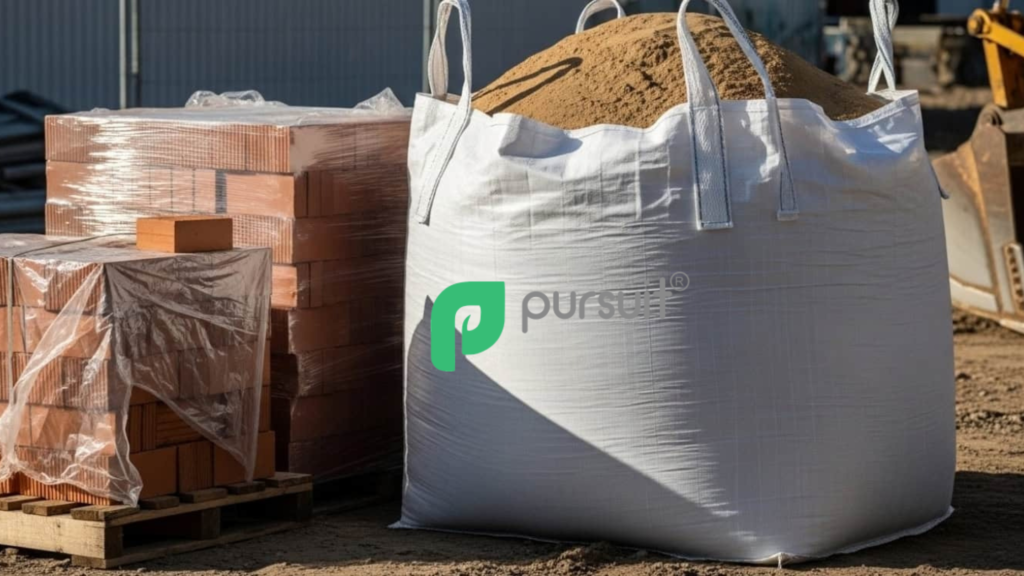
Bulk FIBC bag suppliers offer flexible intermediate bulk containers or FIBC (also called jumbo bags) to safely store and move bulk materials in various industries, including agriculture, chemicals, food processing, pharmaceuticals, construction, and mining.
A good FIBC bag manufacturer will provide bulk packaging solutions that are durable, customizable and compliant with the international standards used for bulk packages, thus enhancing logistics efficiency and lowering transport expenses.
Key Takeaways
- Bulk FIBC bags are widely used for storing and transporting dry bulk materials.
- FIBC Bag Manufacturers In India To Sire Global Markets: India is a prominent name in the field of FIBC bag manufacturers in India that supply products to the international markets.
- Quality suppliers offer custom sizes, lifting loops, liners and safety certifications.
- FIBC bags are able to hold loads between 500kg and 2000kg or more.
- Opting for quality bulk FIBC bag suppliers who are experienced in their field guarantees product quality, compliance, and consistency of supply.
What Are FIBC Bulk Bags?
Flexible Intermediate Bulk Containers (FIBC) are woven polypropylene fabric-based bags produced for use in industry. The purpose of these bags is to safely and efficiently store, transport and protect bulk materials.
FIBC bags are commonly referred to as:
- Jumbo Bags
- Bulk Bags
- Ton Bags
- Big Bags
- Flexible Bulk Containers
In fact, FIBC packaging is used across the globe to transport huge volumes of materials with minimal storage and transport expenses for industries.
Common Applications
- Agricultural products
- Fertilizers
- Food ingredients
- Chemicals
- Construction materials
- Minerals and mining products
- Plastic granules
Why Are Bulk FIBC Bag Suppliers Important for Industrial Packaging?
In today’s supply chain environment, bulk FIBC bags are essential suppliers that deliver packaging solutions that enhance operational efficiency and lower expenses.
Benefits of FIBC Bags
High Load Capacity
Most FIBC bags can safely carry between 500 kg and 2,000 kg.
Cost-Effective Transportation
Their lightweight design reduces shipping costs compared to rigid containers.
Space Optimization
Empty bags can be folded and stored efficiently.
Customization Options
Manufacturers can customize:
- Size
- Fabric weight
- Liners
- Printing
- Filling spouts
- Discharge spouts
What Types of FIBC Bags Are Available?
Different industries require different FIBC bag designs.
U-Panel Bags
Designed for excellent shape retention and stacking.
Circular Bags
Manufactured using circular woven fabric with fewer seams.
Baffle Bags
Include internal baffles for improved stability and storage efficiency.
Conductive FIBC Bags
Suitable for handling flammable powders and hazardous materials.
Food-Grade FIBC Bags
Produced under strict hygiene standards for food applications.
Why Is India a Leading Manufacturing Hub for FIBC Bags?
India has become a hub for the production of FIBC, with its many advantages such as skilled labor, infrastructure, and manufacturing capabilities.
Advantages of Choosing a FIBC Manufacturer in India
Competitive Pricing
Indian manufacturers offer high-quality products at competitive rates.
Global Export Experience
Many FIBC manufacturers in India export to:
- USA
- Canada
- Europe
- Australia
- Middle East
International Quality Standards
Leading manufacturers comply with:
- ISO Standards
- BRC Certification
- Food Safety Regulations
- UN Certified Packaging Requirements
Industries Served
- Agriculture
- Chemicals
- Petrochemicals
- Pharmaceuticals
- Food Processing
- Construction
How Do You Choose the Right Bulk FIBC Bag Suppliers?
Selecting the right supplier directly impacts product safety and supply chain performance.
Evaluate Manufacturing Capacity
Ensure the supplier can handle large-volume orders consistently.
Verify Certifications
Look for:
- ISO Certification
- Food Grade Compliance
- UN Certification
- Quality Testing Reports
Review Product Customization
Good suppliers can give customized solutions according to the requirements of application.
Check Export Capabilities
Imported buyers need to verify their shipping experience and export paperwork support.
Assess Quality Control Procedures
Request information about:
- Fabric testing
- Load testing
- UV resistance testing
- Safety factor testing
What Industries Use FIBC Bulk Bags?
Agriculture Industry
Used for:
- Seeds
- Grain
- Animal feed
- Fertilizers
Chemical Industry
Suitable for:
- Powders
- Granules
- Industrial chemicals
Construction Industry
Commonly used for:
- Sand
- Cement
- Aggregates
Food Industry
Used for:
- Sugar
- Flour
- Rice
- Starch
Mining Industry
Ideal for:
- Minerals
- Ores
- Industrial powders
What Are the Typical FIBC Bulk Bag Specifications?
The specifications vary depending on the application.
| Specification | Typical Range |
|---|---|
| Capacity | 500 kg – 2,000 kg |
| Fabric Material | Woven Polypropylene |
| Safety Factor | 5:1 or 6:1 |
| UV Protection | Available |
| Filling Options | Open Top, Spout Top |
| Discharge Options | Flat Bottom, Discharge Spout |
| Liners | Optional |
Additional Features
- Dust-proof designs
- Moisture barriers
- Food-grade liners
- Anti-static protection
What Is the Price of FIBC Bulk Bags?
FIBC bulk bag prices depend on several factors.
Pricing Factors
- Bag size
- Fabric GSM
- Printing requirements
- Safety factor
- Liner requirements
- Order quantity
Generally, bulk orders reduce the per-unit cost significantly.
To get a precise quotation, companies should contact bulk FIBC bag suppliers for a quotation based on their requirements.
What Are the Alternatives to FIBC Bags?
While FIBC bags are widely preferred, some alternatives include:
Plastic Drums
Suitable for liquid products but more expensive.
Rigid Intermediate Bulk Containers (IBCs)
Offer greater structural strength but require more storage space.
Paper Sacks
Used for smaller quantities but provide lower load capacity.
Metal Containers
Suitable for specialized industrial applications.
For most dry bulk materials, FIBC bags remain the most cost-effective solution.
Frequently Asked Questions
Who is the manufacturer of FIBC bags in India?
There are many FIBC bag manufacturers in India that cater to the domestic and global market. Leading suppliers typically offer custom bulk bags, export services, quality certifications, and application-specific packaging solutions.
How many 25 kg bags are in a bulk bag?
A 1,000 kg FIBC bag can typically hold approximately 40 bags of 25 kg material. The exact number depends on product density and bag capacity.
What is a FIBC bulk bag?
A bulk bag using a FIBC (Flexible Intermediate Bulk Containers) is a flexible industrial bag used to safely and efficiently transport and store bulk materials.
What are the alternatives to FIBC bags?
Plastic drums, rigid IBC containers, paper sacks and metal containers are some of the options available. But, in most dry bulk applications, the advantage of cost efficiency and versatility make FIBC bags a popular choice.
Why are FIBC bags called jumbo bags?
They are known as jumbo bags as they can transport large loads of material, usually between 500kg and more than 2,000kg.
Conclusion
Bulk FIBC bag suppliers provide essential packaging solutions for industries handling large volumes of dry materials.
From agriculture and food processing to chemicals and construction, FIBC bags offer cost-effective, durable, and customizable bulk packaging options.
When selecting a supplier, businesses should evaluate manufacturing capabilities, certifications, customization options, and quality control standards to ensure long-term supply reliability and product performance.
Organizations seeking dependable packaging solutions should partner with experienced FIBC bag manufacturers that can deliver high-quality products while meeting industry-specific requirements.
