
Best Polyurethane Adhesives in 2026: Complete Buyer’s Guide for Industrial Manufacturing
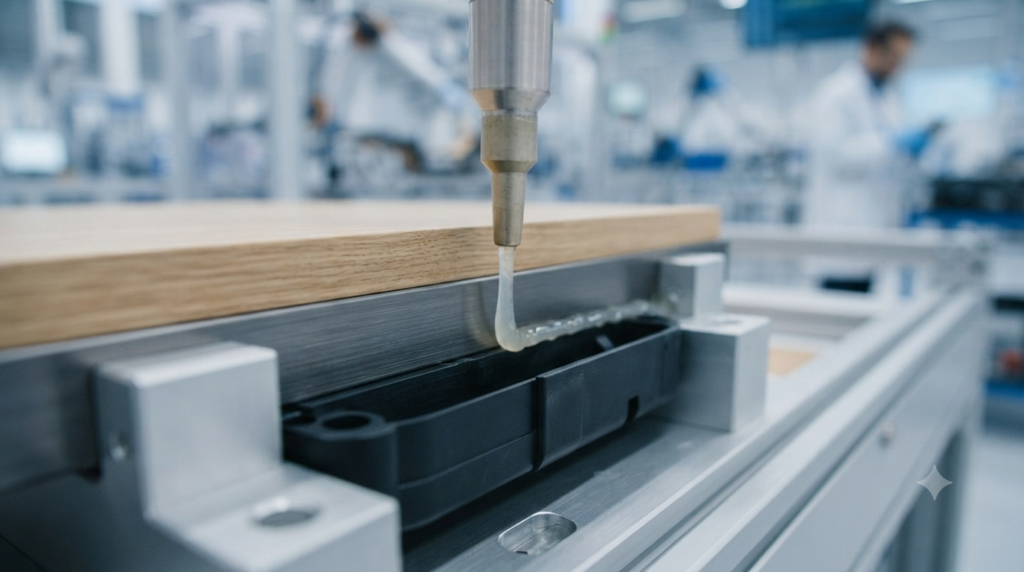
Picking the right polyurethane adhesives in 2026 feels a bit more crucial than before, especially if a manufacturer is chasing stronger bonds, better staying power, and smoother long-run output.
Honestly, from automotive and building work through furniture, footwear, packaging, and insulation, polyurethane (PU) adhesives keep showing up again and again, they tend to beat a lot of older bonding methods mainly because they are so flexible in how they work.
At the same time, demand is rising for lighter materials, more sustainable production, and bonding tech that performs at a higher level.
So businesses really want adhesives that can hold up with dependable results across different, changing environmental conditions, not just in a “perfect” lab-like setup.
What are Polyurethane Adhesives?
High performance adhesive materials based on polyurethane polymers are called polyurethane adhesives. They make very robust, flexible and enduring bonds between many kinds of substrates.
The advantage of PU adhesives is that they can withstand the following conditions and will not lose bonding force when exposed to them, in contrast to traditional adhesives.
- Moisture
- Temperature fluctuations
- Chemicals
- Vibration
- Heavy mechanical stress
This makes them ideal for demanding industrial environments.
Why Polyurethane Adhesives Are the Best Choice in 2026
Knowing the various types of adhesives will enable businesses to select the most appropriate type for their manufacturing procedure.
Key Benefits
✔ High bond strength
✔ Excellent flexibility
✔ Outstanding weather resistance
✔ Superior chemical resistance
✔ Long service life
✔ Fast curing options
✔ Excellent gap-filling capability
✔ Suitable for indoor and outdoor applications
✔ Compatible with multiple materials
Types of Polyurethane Adhesives
Understanding the different adhesive types helps businesses choose the right solution for their manufacturing process.
1. One-Component Polyurethane Adhesives
Moisture in the air causes one component (1K) polyurethane adhesives to cure.
Advantages
- Easy to apply
- No mixing required
- Reduced application errors
- Ideal for automated production
Common Applications
- Furniture manufacturing
- Wood bonding
- Interior construction
- Insulation panels
2. Two-Component Polyurethane Adhesives
Two-component (2K) polyurethane adhesives are available as resin and a hardener which are then combined prior to use.
Advantages
- Extremely high bond strength
- Faster curing
- Excellent structural performance
- Better chemical resistance
Common Applications
- Automotive assembly
- Composite manufacturing
- Industrial machinery
- Heavy equipment
3. Reactive Hot Melt Polyurethane Adhesives (PUR)
PUR hot melt adhesives combine rapid initial bonding with long-term chemical curing.
Advantages
- Fast production speed
- High initial tack
- Excellent heat resistance
- Strong moisture resistance
Common Applications
- Packaging
- Furniture edge banding
- Woodworking
- Electronics
Industries Using Polyurethane Adhesives
Automotive Industry
Manufacturers use polyurethane adhesives for:
- Interior panels
- Windshield bonding
- Vehicle body assembly
- Composite components
Their flexibility helps absorb vibrations while maintaining structural integrity.
Construction Industry
Construction professionals rely on polyurethane adhesives for:
- Flooring installation
- Roofing systems
- Sandwich panels
- Insulation boards
- Structural bonding
Furniture Manufacturing
PU adhesives are used by furniture manufacturers due to their ability to create strong connections in furniture and offer a clean finish.
Applications include:
- Cabinets
- Wooden furniture
- Decorative laminates
- Upholstery
Packaging Industry
Modern packaging requires adhesives capable of handling high-speed production.
Polyurethane adhesives provide:
- Excellent flexibility
- Strong sealing
- Heat resistance
- Reliable packaging integrity
Footwear Manufacturing
PU adhesives are widely used in:
- Sole bonding
- Leather attachment
- Sports shoes
- Industrial footwear
Electronics Industry
Electronic manufacturers use polyurethane adhesives for:
- Component assembly
- Encapsulation
- Vibration protection
- Thermal insulation
How to Choose the Best Polyurethane Adhesive in 2026
Choosing the right adhesive depends on your manufacturing requirements.
Consider These Factors
1. Material Compatibility
Determine whether you’re bonding:
- Wood
- Plastic
- Metal
- Glass
- Composite materials
- Rubber
- Foam
2. Environmental Conditions
Evaluate exposure to:
- UV rays
- Moisture
- Chemicals
- Heat
- Cold temperatures
3. Required Bond Strength
Different industries require different levels of structural performance.
4. Curing Time
Production efficiency often depends on curing speed.
Options include:
- Fast cure
- Medium cure
- Slow cure
5. Production Volume
High-volume manufacturing often benefits from automated adhesive dispensing systems.
Advantages Over Other Industrial Adhesives
| Feature | Polyurethane | Epoxy | Silicone | Acrylic |
|---|---|---|---|---|
| Flexibility | Excellent | Low | Excellent | Moderate |
| Bond Strength | Excellent | Excellent | Moderate | Good |
| Chemical Resistance | High | High | Moderate | Good |
| Moisture Resistance | Excellent | Good | Excellent | Moderate |
| Outdoor Durability | Excellent | Good | Excellent | Good |
Latest Polyurethane Adhesive Trends in 2026
Overall, the polyurethane adhesive market is still evolving, and new innovations are emerging, particularly in the areas of sustainability and production efficiency.
Major trends include:
Sustainable Formulations
Environmentally friendly adhesive systems, which emit less VOC, are preferred by manufacturers more and more.
Lightweight Vehicle Manufacturing
Automotive firms keep switching mechanical fasteners to structural glue.
Smart Manufacturing
Automated adhesive dispensing and quality monitoring are enabled by Industry 4.0 integration.
High-Performance Composite Bonding
Demand remains strong in the aerospace, renewable energy and advanced manufacturing sectors.
Common Mistakes to Avoid
Avoid these mistakes when selecting polyurethane adhesives:
- Choosing based only on price
- Ignoring curing conditions
- Using the wrong adhesive for the substrate
- Poor surface preparation
- Improper storage conditions
- Skipping compatibility testing
Why Industrial Buyers Prefer Reliable Polyurethane Adhesive Suppliers
Selecting the right supplier is just as important as selecting the right product.
Look for suppliers offering:
- Consistent product quality
- Technical support
- Bulk supply capability
- Global export experience
- Product certifications
- Custom adhesive solutions
Frequently Asked Questions (FAQs)
What is the best polyurethane adhesive in 2026?
There are many types of polyurethane adhesives available to suit various applications, materials, curing conditions and environmental conditions. One and two component polyurethane adhesives continue to be the most popular choices for industries.
Are polyurethane adhesives waterproof?
Yes. Full cured most industrial polyurethane adhesives have excellent water resistance, so they are suitable for indoor and outdoor use.
Which industries use polyurethane adhesives the most?
Key industries are automotive, construction, furniture, packaging, electronics, footwear, aerospace and composite manufacturing.
How long do polyurethane adhesives take to cure?
The curing time is dependent on formulation and ambient conditions. Initial strength can be achieved in hours, and complete curing can be achieved in 24–72 hours.
Can polyurethane adhesives bond different materials together?
Yes. They are used in industry for bonding wood, metal, plastics, composites, rubber, glass, foam, and many other materials.
Final Thoughts
The best polyurethane adhesives in 2026, still act like a key part of modern industrial manufacturing. They bring excellent bond strength along with real flexibility, plus solid resistance to weather, and they also match well with many different substrates. That mix makes them one of the more versatile adhesive options around right now.
No matter if you’re dealing with automotive manufacturing, furniture production, construction tasks, packaging lines, or industrial assembly, choosing a suitable polyurethane adhesive can raise product quality, reduce downtime, and support long-term reliability, which is ultimately what everyone is after.
Working with a seasoned industrial supplier also helps a lot, you get steady quality, more reliable technical guidance, and practical solutions that fit your actual production needs, not just something generic.
Looking for high-performance polyurethane adhesive solutions for your business?
Review our industrial polyurethane adhesive range or consult our technical staff for advice on the most appropriate adhesive for your application. Our team can assist you in choosing the solutions that are best suited for your production requirements, performance goals and global supply requirements.

Great content! Keep up the good work!