
Polyurethane Usage: Applications, Benefits, and Industrial Importance
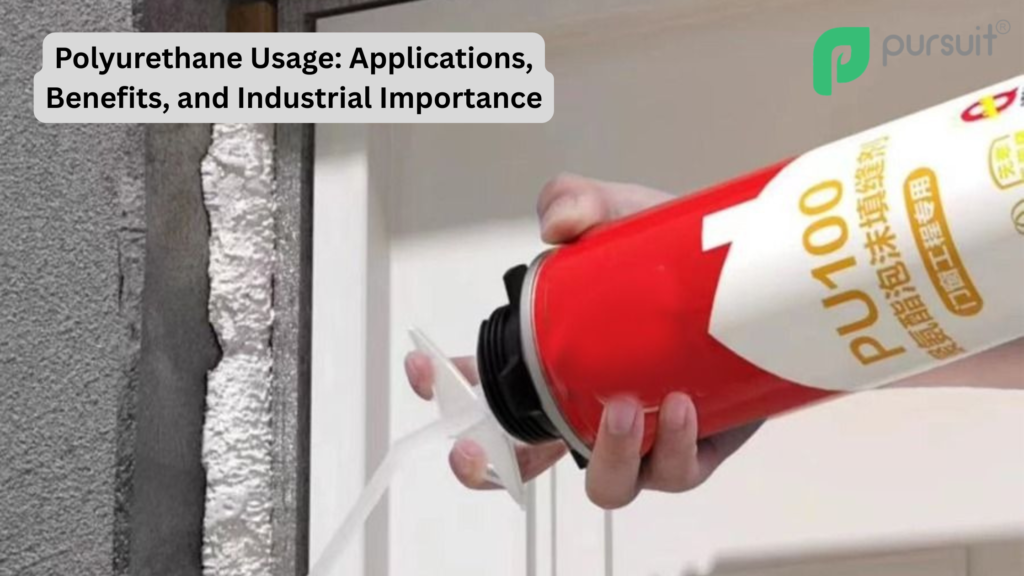
Polyurethane is one of the most versatile materials in modern times, used across a wide range of industries.
You see it in construction , in automotive, furniture, and also insulation—its broad applications make it a very valuable polymer for commercial as well as industrial work.
When businesses understand polyurethane usage, they can more easily decide on the proper material, for things like durability, efficiency , and overall cost effectiveness
What is Polyurethane?
Polyurethane itself is a polymer made by reacting diisocyanates with polyols. After that reaction, you get a material that can be rigid or flexible, depends on how it is formulated.
That flexibility and adaptability is why polyurethane usage ends up covering so many different industries, almost everywhere you look.
It can be found in forms like:
- Foam (soft & rigid)
- Elastomers
- Coatings
- Adhesives & sealants
Major Polyurethane Usage in Different Industries
1. Construction Industry
The largest application of polyurethane is in the construction industry.
It is used in:
- Thermal insulation panels
- Waterproof coatings for roofs
- Sealants for joints and cracks
- Flooring systems for industrial spaces
Why it’s used:
It offers excellent insulation, weatherproofing and durability.
2. Automotive Industry
Polyurethane plays a crucial role in vehicle manufacturing.
Common applications include:
- Car seats and cushioning
- Interior panels and dashboards
- Sound insulation materials
- Bumpers and suspension components
Why it’s used:
It reduces weight, improves comfort, and enhances safety performance.
3. Furniture and Bedding
Another important polyurethane usage is in soft furnishings.
Used in:
- Mattresses
- Sofa cushions
- Office chairs
- Pillows and upholstery
Why it’s used:
It provides flexibility, comfort, and shape retention over time.
4. Packaging Industry
Polyurethane foam is widely used in protective packaging.
Applications:
- Fragile product packaging
- Electronics protection
- Shock-absorbing materials
Why it’s used:
It protects goods from damage during transportation.
5. Electronics Industry
Polyurethane is used for:
- Encapsulation of electronic components
- Insulation of wires and cables
- Protective coatings
Why it’s used:
It provides electrical insulation and environmental protection.
6. Footwear Industry
Shoes and sports footwear also rely heavily on polyurethane usage.
Used in:
- Shoe soles
- Sports shoes cushioning
- Lightweight footwear components
Why it’s used:
It gives flexibility, durability, and shock absorption.
Key Benefits of Polyurethane
The popularity of polyurethane usage comes from its strong advantages:
- High durability and long lifespan
- Excellent thermal insulation
- Lightweight but strong structure
- Resistance to chemicals and abrasion
- Customizable flexibility and hardness
- Cost-effective for industrial use
Future of Polyurethane Usage
With growing demand for sustainable and energy-efficient materials, polyurethane usage is expected to increase further. New innovations are focusing on:
- Eco-friendly polyurethane production
- Bio-based raw materials
- High-performance insulation systems
- Lightweight automotive components
This makes polyurethane a key material for future industrial development.
Conclusion
The importance of polyurethane usage cannot be ignored in modern industries. Its adaptability, durability, and efficiency make it a preferred material across construction, automotive, furniture, packaging, and electronics sectors.
The trend of industries evolving is expected to keep polyurethane as a fundamental material promoting innovation and performance.
Sources & References
For additional information on polyurethane chemistry, applications, and industry developments, refer to the following resources:
American Chemistry Council (ACC): https://www.americanchemistry.com/chemistry-in-america-industry-innovation-impact/chemistries/what-is-polyurethane-definition-uses-benefits
European Diisocyanate & Polyol Producers Association (ISOPA): https://www.isopa.org/?utm_source=chatgpt.com
