
Polyurethane Material: Meaning, Properties, Uses, Foam, and Applications
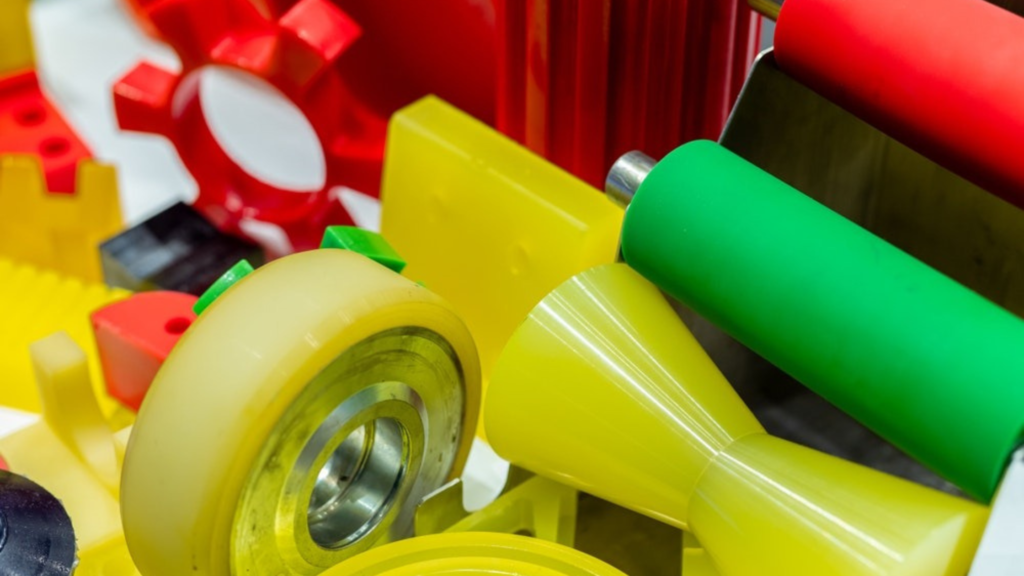
One of the most flexible synthetic materials in contemporary manufacturing is polyurethane material. Polyurethane is significant in the various industries in terms of furniture cushions, insulation foam, footwear, coating and automotive parts.
When you have ever wondered what polyurethane material is, how it is manufactured, and why it is so generally applied in many products such as polyurethane shoes, PU foam, and PU leather, this guide will get you to know it all.
This is an extensive article that will examine the definition of polyurethane, structure, properties, applications, PU foam types, and where the material is used in industry, compare and contrast polyurethane material with leather, PU leather with synthetic leather, and the polyurethane foam in the article.
What is Polyurethane Material?
Polyurethane product is a special form of synthetic polymer that is formed as a result of chemical combination of polyols and diisocyanates.
The outcome is a well-rounded and powerful compound that is capable of taking different forms such as foams, elastomers, pastes and glues and sealants.
Polyurethane in simple terms is a rubbery flexible and plastic durable plastic substance which makes it very useful in terms of applications which are very numerous.
Polyurethane Definition
Polyurethane is an organic polymer and comprises organic components that are joined by urethane. It is able to be made in soft and rigid conditions because of its flexible chemical structure.
What Material is Polyurethane?
Polyurethane belongs to the category of synthetic polymer. Polyurethane is made chemically unlike natural substances like leather or rubber in order to get a desired performance characteristic like:
- flexibility
- durability
- chemical resistance
- insulation capability
These properties have made polyurethane to be among the most common polymer materials used in the industrial production industry.
Interested in our products or need more information?
Inquire Now!Polyurethane Structure and Chemistry
Knowledge of polyurethane chemistry can explain the popularity of the material.
Polyurethane is achieved by a polymerization reaction of:
- Polyols – alcohol-based compounds
- Diisocyanates – chemical compounds which are highly reactive.
As the two elements come in contact, they form urethane bonds to form long chains of polymer to form polyurethane.
Polyurethane Chemical Structure
Polyurethane can be altered in terms of structure by changing:
- type of polyol
- type of isocyanate
- catalysts
- additives
This is flexible, and thus manufacturers can develop polyurethane materials which have certain properties like rigidity, elasticity, or foam structure.
Polyurethane Chemical Name
The overall chemical notations of polyurethane are polyurethane polymer although they might depend on the chemical makeup employed in the manufacturing process
Polyurethane Material Properties
Polyurethane is a very popular material due to its good mechanical and physical qualities.
Mechanical Properties of Polyurethane
Polyurethane materials are characterized by:
- High durability
- Strong abrasion resistance
- Excellent flexibility
- High tensile strength
All these properties render polyurethane convenient in shoe sole application, wheel application, industrial applications and automotive applications.
Physical Properties
The physical benefits of polyurethane can also be listed:
- Lightweight structure
- Waterproof capability
- Excellent insulation properties
- Shock absorption
Due to these properties, polyurethane products find their way in furniture cushions, insulation boards and shoes.
Chemical Resistance
Polyurethane substances also exhibit great resistance to:
- oils
- solvents
- chemicals
- weathering
This renders polyurethane to be a dependable industrial and outdoor material.
Interested in our products or need more information?
Inquire Now!Types of Polyurethane Materials
Polyurethane is a substance which can be produced in various formats according to the usage.
The most common types of polyurethane materials include:
- Flexible polyurethane foam
- Rigid polyurethane foam
- Thermoplastic polyurethane (TPU)
- Polyurethane elastomers
Each of these types offers different characteristics and industrial uses.
Polyurethane Foam Explained
Polyurethane foam commonly referred to as PU foam is one of the most popular types of polyurethane.
The chemical reaction process is achieved by putting in the blowing agent to produce PU foam that has a cellular foam structure.
PU Foam Meaning
PU foam is polyurethane foam which is a light weight foam with numerous small air bubbles within it which makes it cushioning and insulating.
What is PU Foam Used For?
Polyurethane foam is widely used in:
- furniture cushions
- mattresses
- insulation panels
- packaging materials
- automotive seating
Types of Polyurethane Foam
There are two main types:
Flexible Polyurethane Foam
Used in:
- sofas
- mattresses
- car seats
Rigid Polyurethane Foam
Used in:
- building insulation
- refrigeration insulation
- structural panels
Due to its insulation, rigid polyurethane foam is used in the construction and refrigeration industries.
Interested in our products or need more information?
Inquire Now!Uses of Polyurethane Material
The flexibility and performance of polyurethane has made the material to be utilized in numerous industries.
Furniture Industry
Polyurethane foam can be applied in flexible form in furniture production, such as:
- sofa cushions
- mattresses
- pillows
The material is comfortable, durable and supportive.
Construction Industry
Polyurethane materials are usually employed in construction in:
- insulation panels
- waterproof coatings
- sealants and adhesives
Polyurethane insulation materials assist in enhancing energy savings in buildings.
Automotive Industry
Polyurethane finds extensive application in the automobile industry in:
- seating foam
- interior panels
- insulation components
- suspension parts
The materials are used to enhance the comfort of the vehicle and also minimize the vibration.
Electronics and Appliances
Electronics Polyurethane coatings and foams are applied in electronics to:
- protective insulation
- vibration absorption
- thermal protection
Interested in our products or need more information?
Inquire Now!Polyurethane Material in Shoes
Polyurethane is a common material that is utilized in the footwear industry.
Polyurethane Shoe Material
Polyurethane soles of shoes are famous due to their ability to offer:
- flexibility
- durability
- lightweight structure
- shock absorption
Numerous athletic and casual footwear in use today is based on polyurethane soles in order to enhance comfort and performance.
Why PU Material is Used in Shoes
Severe materials based on polyurethane have some benefits when it comes to the production of footwear:
- Long-lasting durability
- Lightweight comfort
- Excellent cushioning
- Resistance to wear and tear
Due to such advantages, polyurethane finds wide application in sports shoes, safety footwear and footwear in a casual manner.
PU Leather vs Other Materials
The other widespread use of polyurethane is in PU leather which is also referred to asPolyurethane leather.
PU leather is an artificial leather, which is produced by applying polyurethane over a fabric base.
Artificial Leather vs PU Leather
Synthetic leather materials in general are referred to as artificial leather. PU leather is a special artificial leather that is produced with the usage of polyurethane.
Faux Leather vs PU Leather
Faux leather may mean a variety of synthetic leather substances, such as:
- PU leather
- PVC leather
PU leather is usually considered more flexible and environmentally friendly compared to PVC-based synthetic leather.
Polyurethane Material vs Leather
Compared with genuine leather, polyurethane leather offers:
Advantages:
- lower cost
- easy maintenance
- animal-free production
Disadvantages:
- shorter lifespan
- less breathable than real leather
Interested in our products or need more information?
Inquire Now!Industrial Polyurethane Materials
Polyurethane materials are also widely used in industrial manufacturing.
Some examples include:
- polyurethane sheet material
- polyurethane molding material
- polyurethane casting material
- polyurethane gasket material
- polyurethane bushings
They are applied in heavy machinery, automotive, and industrial machinery because of its wear and tear resistance.
Raw Materials Used in Polyurethane
Polyurethane involves the use of a few raw materials in the production of the same.
The primary raw materials of polyurethane are:
- Polyols
- Diisocyanates
- Catalysts
- Blowing agents
- Additives
These materials are modified by manufacturers, which produce polyurethane with other properties.
For example:
- soft polyols are required to make the flexible foam.
- rigid foam must have dense formulations.
Is Polyurethane a Good Material?
The question many individuals pose is whether polyurethane is a good product to use in shoes, furniture or synthetic leather products.
The solution lies in the application at hand.
Advantages of Polyurethane
Polyurethane has a number of advantages:
- Highly durable
- Lightweight
- Water resistant
- Flexible
- Excellent insulation properties
Due to these properties, polyurethane has applications in a high number of industries.
Disadvantages of Polyurethane
Nevertheless, polyurethane is not deprived of shortcomings either:
- It is manufactured through chemicals.
- It is not easy to recycle.
- Certain formulations are subject to degradation.
Polyurethane has many disadvantages, but it is among the most common synthetic materials in the current production.
Safety and Certification of Polyurethane Materials
Plastic materials such as polyurethane that are considered to be used in industries and by consumers have to meet many safety standards.
The Manufacturers normally supply Material Safety Data sheets (MSDS) which contain details of:
- chemical composition
- handling guidelines
- safety precautions
As well, most polyurethane products are in compliance with international standards of certification in terms of safety, environmental concerns, and quality.
Interested in our products or need more information?
Inquire Now!Future of Polyurethane Materials
The market of polyurethane is still developing and new products are introduced to the market with the aim of being sustainable and performance-oriented.
There are some new trends including:
- bio-based polyurethane materials
- recyclable polyurethane products
- eco-friendly manufacturing processes
Scientists are also striving to come up with polyurethane products with better performance in the environment and yet retain the good qualities of the material in terms of durability and flexibility.
Conclusion
One of the most versatile synthetic polymers that are being utilized in contemporary manufacturing is polyurethane material.
Polyurethane foam used in furniture, insulating materials, PU leather materials used in shoes, and polyurethane shoe materials are essential in a significant number of everyday goods.
Polyurethane is flexible and durable with a strong capacity to resist chemicals and is also lightweight making it applicable in construction, automotive, footwear, electronics and furniture industries.
With the growth in technology there is a likelihood that sustainable and recyclable polyurethane materials will be developed which will further increase the place of polyurethane in the world materials sector.
