
Sesame Seed: Types, Benefits, Uses, and Where to Buy Sesame Seeds
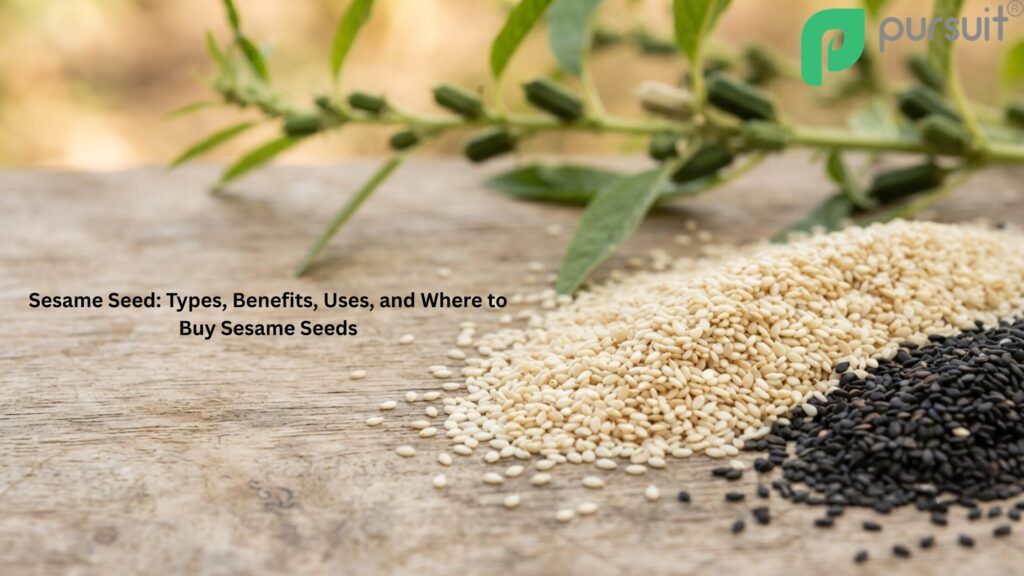
Sesame seed, you know that little oilseed thing, is kinda flexible and it gets used a lot in food manufacturing, bakery goods, snacks, confectionery, sauces, and even for edible oil production.
People like it not only because of that recognizable nutty flavor but also because of the way it’s built nutritionally.
In terms of types, you’ll see white, black, natural, hulled , and roasted sesame out there, sort of like different “moods” of the same ingredient.
If a business is buying sesame seed in commercial amounts , then a few details matter more than you’d think.
Things like purity , moisture levels, overall appearance, processing approach, packaging quality, certifications, and how dependable the supplier is , can really affect the end product.
This guide walks through what sesame seed is, the different types, common uses, nutritional advantages, the quality checkpoints, bulk purchasing points, and then where people typically buy sesame seeds.
What Is Sesame Seed?
Sesame seed is basically the edible seed coming from the Sesamum indicum plant , which is an old oilseed crop that people cultivate across a lot of warm regions worldwide.
These seeds are small and oval, and you can find them in different colors, like white , cream, brown, and black, and yes those are some of the most common ones.
Sesame seeds often have a naturally nutty flavor, and they can be eaten raw, roasted, hulled, or even turned into products like tahini or sesame seed oil, it depends on what you want to do with them.
Because of their flavor , texture, oil level, and overall flexibility, sesame seeds end up being used across many kinds of food uses. Not only in one style, but everywhere.
Where Does Sesame Seed Come From?
Sesame is cultivated in tropical and subtropical places where warm temperatures and decent soil support growth.
Different producing regions can give sesame seeds that feel a bit different , depending on the variety, farming methods, harvesting approach, and processing standards.
For commercial buyers, understanding the origin of sesame seed can help with sourcing, traceability, and quality evaluation.
What Does Sesame Seed Taste Like?
Sesame seeds’ flavor is mild and nutty. Their aroma is enhanced when they are roasted, giving a deeper toasted flavor, making them very popular for bakery items, prepared foods, snack items and for toppings.
Types of Sesame Seed
The sesame may be available in various varieties and processes. The appropriate type will depend on the application, the desired appearance, flavor preference and processing requirements.
White Sesame Seed
Light cream to pale white, sesame seeds are used in the bakery, confectionery, snack, sauces and food manufacturing industries, and as a topping.
Due to their moderate taste and good looks, they are used when the sesame should be a part of the look and flavor of the product.
Black Sesame Seed
Black sesame seeds are dark in colour and have a nutty taste. They are frequently used in Asian foods, desserts, bakery goods, toppings, snacks, and specialty foods.
For black sesame seed buyers, the following factors should be considered: uniformity of seeds, cleanliness, moisture, colour consistency, application.
Hulled Sesame Seed
Hulled sesame seeds are the seeds of which the outer seed coat has been removed by processing.
Their lighter appearance makes them a common ingredient in food production, bakery products, tahini, confectionery, etc.
If a smoother appearance, or a particular processing characteristic is desired, hulled sesame may be preferred.
Natural Sesame Seed
Natural sesame seeds have the hull on the outside of the seed. They may be used in food uses where the natural seed appearance and characteristics are desired.
Roasted Sesame Seed
Roasted sesame seeds are heat-treated to enhance their aroma, flavor, and texture.
They are commonly used as toppings and ingredients in snacks, bakery products, sauces, prepared foods, and seasoning blends.
What Are Sesame Seeds Used For?
Sesame seed is utilized in a wide variety of food and food processing applications due to its flavor, texture, oil content and versatility.
| Application | Common Use of Sesame Seed |
|---|---|
| Bakery | Bread, buns, crackers, cookies and pastries |
| Confectionery | Sweets, bars and candies |
| Snacks | Roasted and seasoned snack products |
| Sauces | Tahini and sesame-based sauces |
| Food Toppings | Bread, salads, prepared foods and dishes |
| Cooking | Ingredient in various recipes |
| Oil Production | Production of sesame seed oil |
| Food Processing | Ingredient for commercial food products |
Sesame Seed for Bakery Products
Sesame seeds are used to sprinkle over bread, buns, crackers, cookies and other baked goods.
They are used to add variety to bakery items to bring both a nutty taste and crunchy texture to baked goods.
Sesame Seed for Snacks and Confectionery
Sesame is added to snack mixes, sesame bars, sweets, candies and other confections.
Roasted sesame is particularly useful when a stronger toasted flavor is desired.
Sesame Seed for Tahini and Sauces
Sesame seeds are processed into tahini, a smooth paste widely used in sauces, dips, dressings, and various food preparations.
Sesame Seed for Oil Production
Sesame seeds contain naturally occurring oil and are used as a raw material for sesame seed oil production.
The characteristics of the final oil depend on the seed, processing method, and production conditions.
What Are the Benefits of Sesame Seed?
Sesame seeds are valued not only for their culinary versatility but also for their nutritional composition.
They contain protein, dietary fiber, fats, and several minerals and plant-based nutrients.
Nutritional Value of Sesame Seed
The nutritional composition of sesame can vary depending on variety and processing. Sesame seeds are known to contain:
- Plant-based protein
- Dietary fiber
- Fat, including unsaturated fatty acids
- Calcium
- Magnesium
- Iron
- Other minerals and naturally occurring plant compounds
These attributes make sesame a popular food ingredient among consumers and food manufacturers.
Why Is Sesame Seed Popular in Food Products?
Sesame seed is popular because it combines several useful characteristics:
- Distinctive nutty flavor
- Crunchy texture
- Attractive appearance
- Versatile applications
- Suitable for different processing methods
- Useful in both traditional and modern food products
Where to Buy Sesame Seeds?
Sesame seeds may be obtained from supermarkets, specialty food shops, Internet, bulk seed suppliers, food ingredient distributors or wholesalers.
Where to buy the product may depend on how many you need and what you are using it for.
Retail buyers may also buy smaller quantities, whilst the food manufacturers, distributors and importers usually need larger quantities from a reliable supplier/exporter.
For the purchase of sesame seeds, the following aspects should be taken into account: product specifications, purity, moisture, processing type, packaging, certification, origin and reliability of the supplier.
Where Can I Buy Sesame Seeds?
The sesame seeds are sold in retail stores, online marketplaces, wholesale stores, food ingredients suppliers, and specialized exporters of sesame seeds.
The direct engagement with an established supplier may make it easier to discuss specifications, quantities, packaging, documentation and delivery requirements in the case of regular or commercial procurement.
Where to Buy Sesame Seeds in Bulk?
For bulk-sized sesame seeds, you might opt for buying directly from a sesame seed supplier, wholesaler, exporter or food-ingredient supplier.
Bulk buyers should compare:
- Sesame seed variety
- Purity
- Moisture content
- Foreign matter
- Processing method
- Packaging
- Certifications
- Quantity availability
- Quality documentation
- Export and logistics capabilities
A low-cost supplier may lead to quality and/or consistency problems.
The supplier should be able to give you clear specifications on their product and appropriate documentation.
Where to Buy Black Sesame Seeds?
Black sesame seeds can be purchased from specialty food stores, online sellers, wholesalers, and sesame seed suppliers.
For commercial quantities, buyers should confirm black sesame specifications, including color consistency, cleanliness, moisture, purity, packaging, and required certifications.
Where to Buy White Sesame Seeds?
White sesame seeds are widely available through retail stores, online suppliers, wholesalers, and food-ingredient exporters.
For commercial applications, buyers should select a supplier based on product quality, consistency, supply capacity, specifications, and packaging requirements.
Where to Buy Organic Sesame Seeds?
Organic sesame seeds should be obtained from suppliers who will be able to provide the appropriate organic certification for the market and the product.
Prior to buying, consumers must be able to check the certification, scope, product specifications, origin, processing methods and documentation instead of just reading the “organic” product description.
How to Choose High-Quality Sesame Seed
Quality is one of the main factors to take into account when buying sesame seed, especially for food manufacturers and bulk buyers.
Check Sesame Seed Purity
Sesame should be of high quality, which should comply with the agreed purity specification with minimal foreign material. Enquirers should check supplier specifications and quality documentation prior to making large orders.
Check Moisture Content
Sesame seeds can be affected by moisture during storage and in the quality of the seeds. Commercial buyers should ensure moisture levels are at the agreed product specification.
Check Seed Color and Appearance
Seeds should look like the variety they are. Purchasing representatives are able to inspect for colour uniformity, size, cleanliness, and obvious flaws.
Check Foreign Matter
Control of foreign matter should comply with the product specification. Proper cleaning and processing can help ensure a consistent raw material.
Check Cleaning and Processing Standards
Depending on the application, buyers may require natural, hulled, cleaned, sorted, roasted, or otherwise processed sesame seeds.
Check Packaging
Packaging should protect the sesame seeds from moisture, contamination, and handling damage during storage and transportation.
Check Certifications and Testing
Depending on the destination market and intended use, buyers may require certifications, laboratory testing, food-safety documentation, or other compliance documents.
Consider Origin and Traceability
The commercial buyer can assess consistency, traceability and the reliability of the supply chain by understanding the sources of the sesame and its processing.
Buying Sesame Seed for Commercial Use
For companies that buy in sesame seed for processing, distribution or export, the price of the product is not the only factor to be taken into account.
What Should Bulk Buyers Look For?
Important factors include:
- Consistent product quality
- Reliable supply capacity
- Clear product specifications
- Appropriate packaging
- Quality testing and documentation
- Required certifications
- Traceability
- Competitive pricing
- Reliable logistics
- Supplier experience
If you have a frequent need to buy similar components, then a supplier who is able to keep all the specifications consistent from one shipment to another can prove to be very useful.
What Packaging Options Are Available for Bulk Sesame Seed?
Sesame can be packaged based on the demand of the purchaser, specification, transportation methods and target market.
Depending on the buyers’ needs, regular bulk packaging or customized packaging can be offered. Packaging should provide appropriate protection for transport and storage.
How Much Sesame Seed Should You Buy?
This depends on the amount of sesame that is being bought for household use, food-service, manufacturing, distribution, or export.
Enterprises which are new to buying sesame can try or order a sample or a trial amount to know its quality before regular bulk order.
Sesame Seed vs. Black Sesame Seed vs. White Sesame Seed
Black and white sesame seeds are both sesame varieties, but their appearance, flavor, and typical applications can differ.
| Feature | White Sesame Seed | Black Sesame Seed |
|---|---|---|
| Color | White to cream | Black to dark |
| Flavor | Mild and nutty | More pronounced and nutty |
| Common Uses | Bakery, snacks, food processing | Desserts, toppings, specialty foods |
| Appearance | Light-colored | Dark-colored |
| Typical Buyer Preference | General food applications | Specialty and traditional applications |
The best choice depends on the product formulation and appearance requirements.
Sesame Seed Oil: What Is It and Where to Buy It?
The oil extracted from sesame seeds is Sesame seed oil. For cooking, food preparation, sauces, dressings and other food purposes.
What Is Sesame Seed Oil Used For?
Cooking, food preparation, dressings, sauces, marinades, and other food uses can be achieved with sesame seed oil.
Due to the characteristic flavor, it is very useful in recipes where a sesame flavor is desired.
Where to Buy Sesame Seed Oil?
Sesame seed oil can be purchased in the supermarket, food stores, food-ingredient suppliers, wholesalers, edible oil suppliers and the Internet.
When choosing an oil for commercial use, oil specifications, processing methods, packaging, quality documentation, certifications and supplier reliability should be taken into consideration.
How to Store Sesame Seed
Proper storage helps maintain the quality of sesame seeds.
For commercial storage, consider:
- Keeping sesame seeds in a cool and dry environment
- Protecting them from moisture
- Using suitable food-grade packaging
- Preventing contamination
- Protecting stored product from pests
- Following appropriate stock rotation practices
- Maintaining suitable warehouse conditions
Bulk buyers should follow storage recommendations appropriate to their product specifications and local conditions.
Frequently Asked Questions About Sesame Seed
What Is Sesame Seed?
Sesame seed is the edible seed of the Sesamum indicum plant. It is widely used in bakery products, snacks, confectionery, sauces, tahini, prepared foods, and sesame seed oil production.
What Are Sesame Seeds Used For?
Sesame seeds are applied in bakery products, snack foods, confectionery, sauces and dressings, tahini, cooking and food processing and for making oil.
What Are the Different Types of Sesame Seed?
There are several common varieties of sesame, such as white, black, natural, hulled, and roasted. The type of use and processing will determine the appropriate type.
Where Can I Buy Sesame Seeds?
Sesame seeds can be purchased from supermarket, online, specialty shops, wholesalers, food-ingredient suppliers and sesame seed exporters.
When buying in commercial quantities, there can be more control of specifications and bulk requirements by buying directly from a reliable supplier.
Where Can I Buy Sesame Seeds in Bulk?
Wholesalers, food-ingredient suppliers, exporters and specialized sesame seed suppliers supply bulk sesame seeds.
When it’s time to purchase, check the purity, moisture content, processing, packaging, certification, quantity on hand, and the reliability of the supplier.
Where Can I Buy Black Sesame Seeds?
Black sesame seeds can be found at specialty food stores, online retailers, wholesalers and sesame seed suppliers.
Commercial buyer should confirm with the producers about the product specification and quality before ordering.
Where Can I Buy White Sesame Seeds?
White sesame seeds are available from the retail stores, online vendors, wholesalers and food ingredient exporters.
For bulk buyers, quality, consistency, packaging, certifications, and supply capacity should all be considered.
Are Black and White Sesame Seeds Different?
Yes. The main difference between black and white sesame is their color; other differences may be in flavor and typical uses. Both are widely used as food ingredients.
How Do I Choose High-Quality Sesame Seeds?
Look at purity, moisture, seed appearance, color consistency, foreign matter, processing standards, packaging, certifications, testing, origin, and supplier reliability.
What Is Sesame Seed Oil Used For?
Sesame seed oil is used for cooking, food preparation, sauces, dressings, marinades, and other culinary applications. Its distinctive flavor makes it a popular ingredient in many food products.
Where Can I Buy Sesame Seed Oil?
Sesame seed oil can be purchased from supermarkets, online retailers, wholesalers, edible oil suppliers, and food-ingredient distributors.
Commercial buyers should verify specifications, quality documentation, packaging, and certifications.
How Should Sesame Seeds Be Stored?
Sesame seeds should be stored in proper food grade material in a cool, dry, clean and moisture and pest protected environment where excessive heat is avoided.
Why Choose a Reliable Sesame Seed Supplier?
It is essential to choose the right sesame seed supplier to ensure quality and reliability.
Companies need to ensure that they have suppliers that can convey the product’s specification, produce suitable quality documentation, offer bulk quantities, and process packaging and logistics as per the customer’s specifications.
To importers, distributors, food manufacturers and other commercial buyers, reliability of their suppliers can be as significant as the product price.
Looking for Bulk Sesame Seeds?
When sourcing bulk sesame for food manufacturing, distribution or for export, it may be easier to find a supplier who provides reliable quality and supply.
Ask Pursuit Industries about your sesame seed needs, product specifications, bulk orders, packaging and export needs.
If you need anything else but white or black sesame seed, you should make your needs clear to the supplier, so the supplier will be able to recommend the best product and packaging for your need.
Conclusion
Sesame seed is a multi-purpose food ingredient that can be utilized in bakery, snack, confectionery, sauces, toppings, tahini, cooking and oil production.
Different types of sesame seeds have different attributes depending on the type.The different types of sesame seeds will have different properties for different uses.
If you are searching for where to buy sesame seeds, particularly for bulk or commercial requirements, focus on quality, purity, moisture, processing, packaging, certifications, traceability, and supplier reliability.
Choosing the right sesame seed and a dependable supplier can help businesses maintain product consistency while meeting their specific sourcing and application requirements.
