
Poly Aluminium Chloride (PAC)
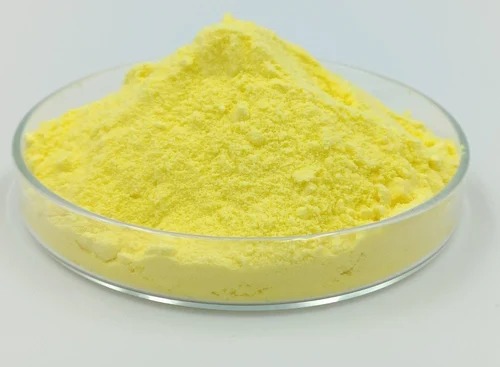
Poly Aluminium Chloride (PAC) is an inorganic polymer coagulant that is very effective in the water treatment, wastewater treatment, and other industrial purification systems.
It is an aluminum-based chemical compound, which is pre-hydrolyzed and has been found to have a better coagulation effect as compared to conventional chemicals such as alum.
PAC can be used in liquid and powder form and has been known to exhibit high charge density, rapid floc development, low levels of sludge and good performance over a very wide pH range.
It is among the favorite water treatment chemicals with municipal corporations, industrial water treatment plants, and commercial water treatment corporations.
Chemical Information
Chemical Name: Poly Aluminium Chloride
CAS Number: 1327-41-9
Molecular Formula: [Al₂(OH)nCl₆−n]m
Appearance: Yellow powder / Light yellow liquid
Solubility: Highly soluble in water
Key Features & Benefits
✔ Excellent coagulation and flocculation efficiency
✔ Rapid sedimentation and improved clarification
✔ Lower sludge production compared to alum
✔ Effective in low and high turbidity water
✔ Works across a wide pH range
✔ Reduces overall chemical consumption
✔ Cost-effective water treatment solution
Applications of PAC
1. Drinking Water Treatment
Applied to municipal water treatment plants in order to eliminate suspended solids, turbidity and impurities.
2. Wastewater Treatment
Massively applied in the industrial waste water treatment plants in eliminating contaminants and enhancing water quality.
3. Effluent Treatment Plants (ETP)
Assists in the mitigation of COD, BOD and suspended solids in the discharge of industries.
4. Paper Industry
It is utilized as a retention aid and sizing agent to enhance the paper quality.
5. Textile Industry
De colors and removes impurities in dyeing wastewater.
6. Oil & Gas Industry
Applied in the treatment and clarification of produced water.
Why Choose Poly Aluminium Chloride?
Compared to conventional coagulants like Alum (Aluminium Sulphate), PAC offers:
- Better performance at lower dosage
- Faster floc formation
- Reduced sludge handling cost
- Improved treated water quality
- Lower transportation and storage cost
Packaging Options
Available in bulk and customized packaging as per client requirements:
- 25 kg Bag (Powder)
- 50 kg Bag
- Liquid PAC in 250 kg Drum
- 1000 kg IBC
- Bulk Tanker Supply
(Custom packaging and private labeling available on request.)
Safety & Handling
- Store in a cool, dry place
- Avoid direct contact with skin and eyes
- Use appropriate PPE during handling
- Refer to MSDS for detailed safety guidelines
1. What is Poly Aluminium Chloride (PAC)?
Poly Aluminium Chloride (PAC) is a high-performance inorganic polymer coagulant widely used in water treatment and wastewater treatment applications. It is more efficient than traditional coagulants like alum and is commonly supplied by water treatment chemicals suppliers for industrial and municipal use.
2. What is PAC used for?
PAC is primarily used for:
- Drinking water treatment
- Industrial wastewater treatment
- Effluent treatment plants (ETP)
- Sewage treatment plants (STP)
- Textile and dyeing wastewater treatment
- Paper and pulp industry
It helps remove turbidity, suspended solids, color, and organic matter from water.
3. What are the advantages of PAC over Alum?
PAC offers several advantages:
- Lower dosage requirement
- Faster floc formation
- Reduced sludge generation
- Better performance across wide pH range
- Improved treated water clarity
- Lower overall treatment cost
4. In which forms is Poly Aluminium Chloride available?
PAC is available in:
- Powder form (yellow or off-white)
- Liquid form
The selection depends on plant requirements and dosing systems.
5. What is the typical dosage of PAC in water treatment?
The dosage of PAC depends on:
- Water turbidity level
- pH value
- Type of contaminants
- Treatment process
Generally, dosage ranges between 5-50 ppm, but jar testing is recommended for accurate dosing.
