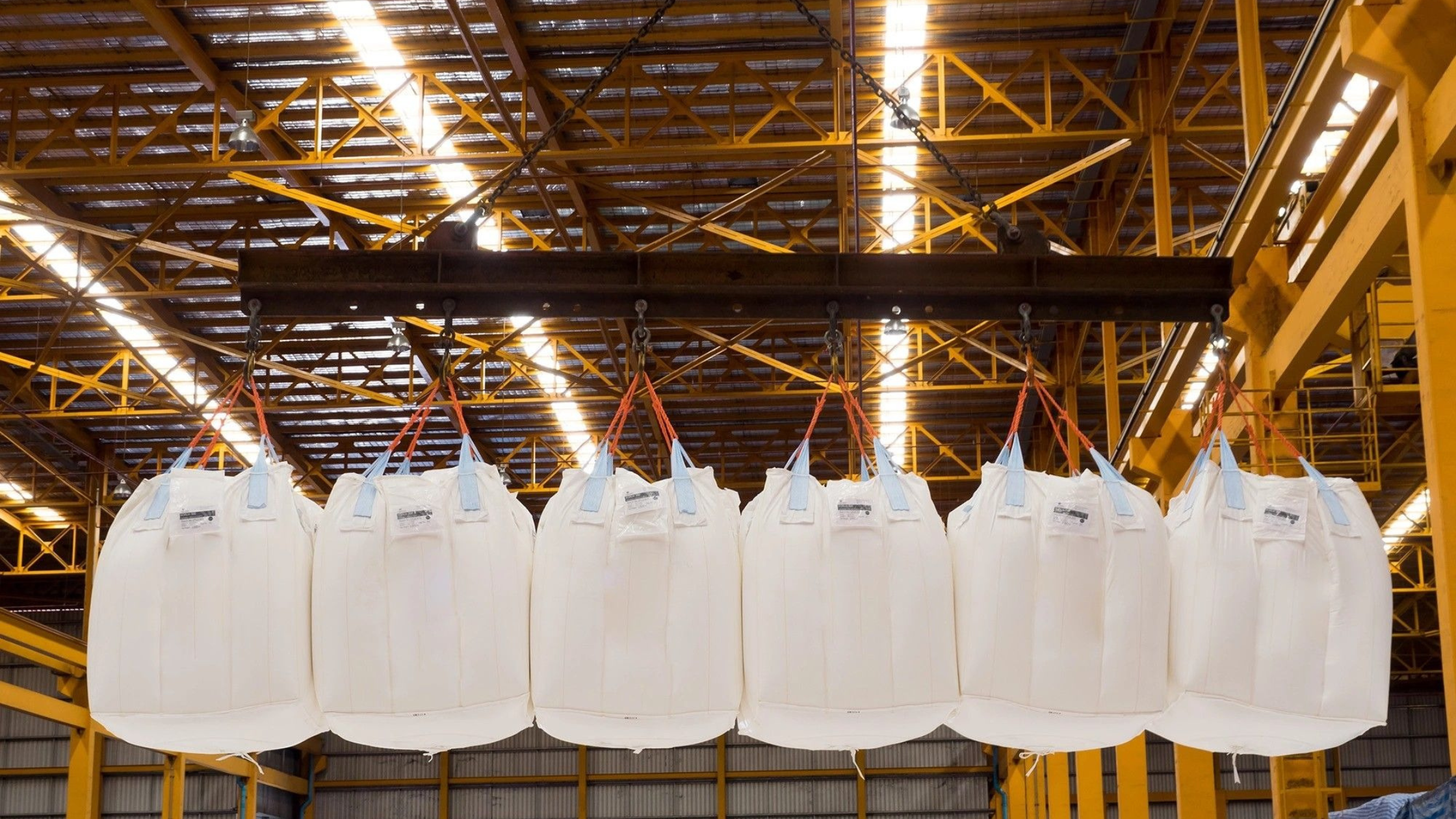
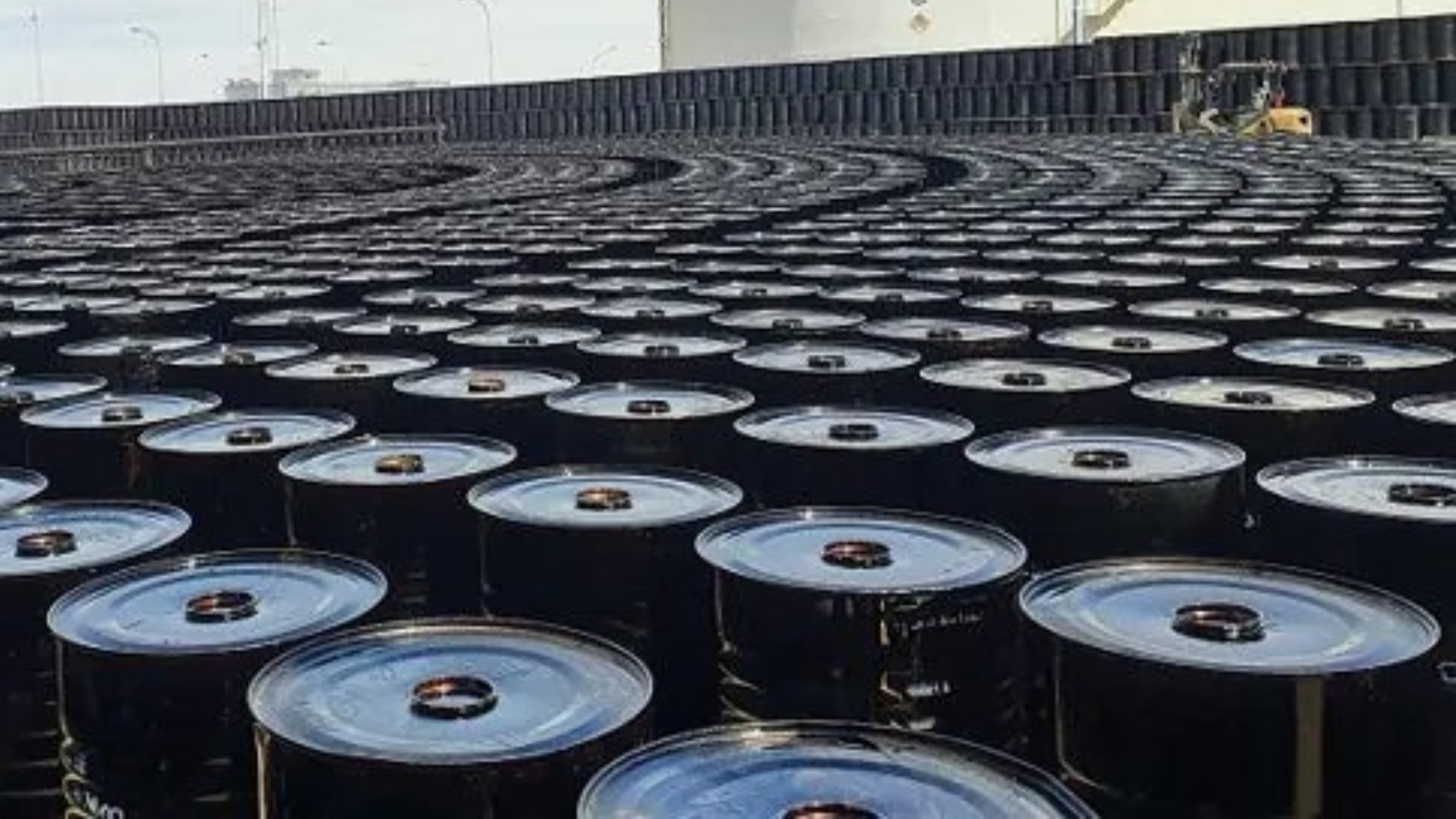
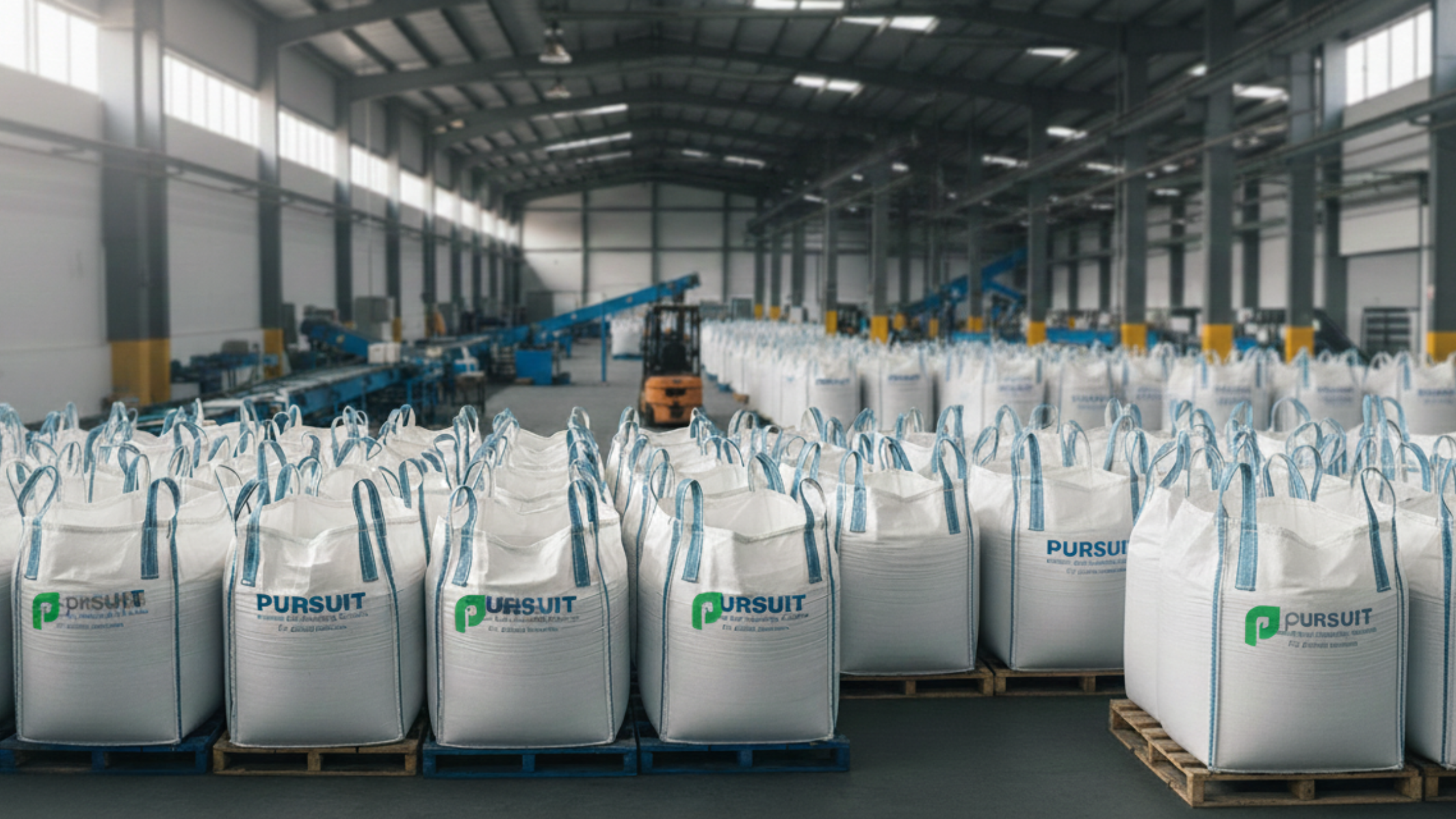
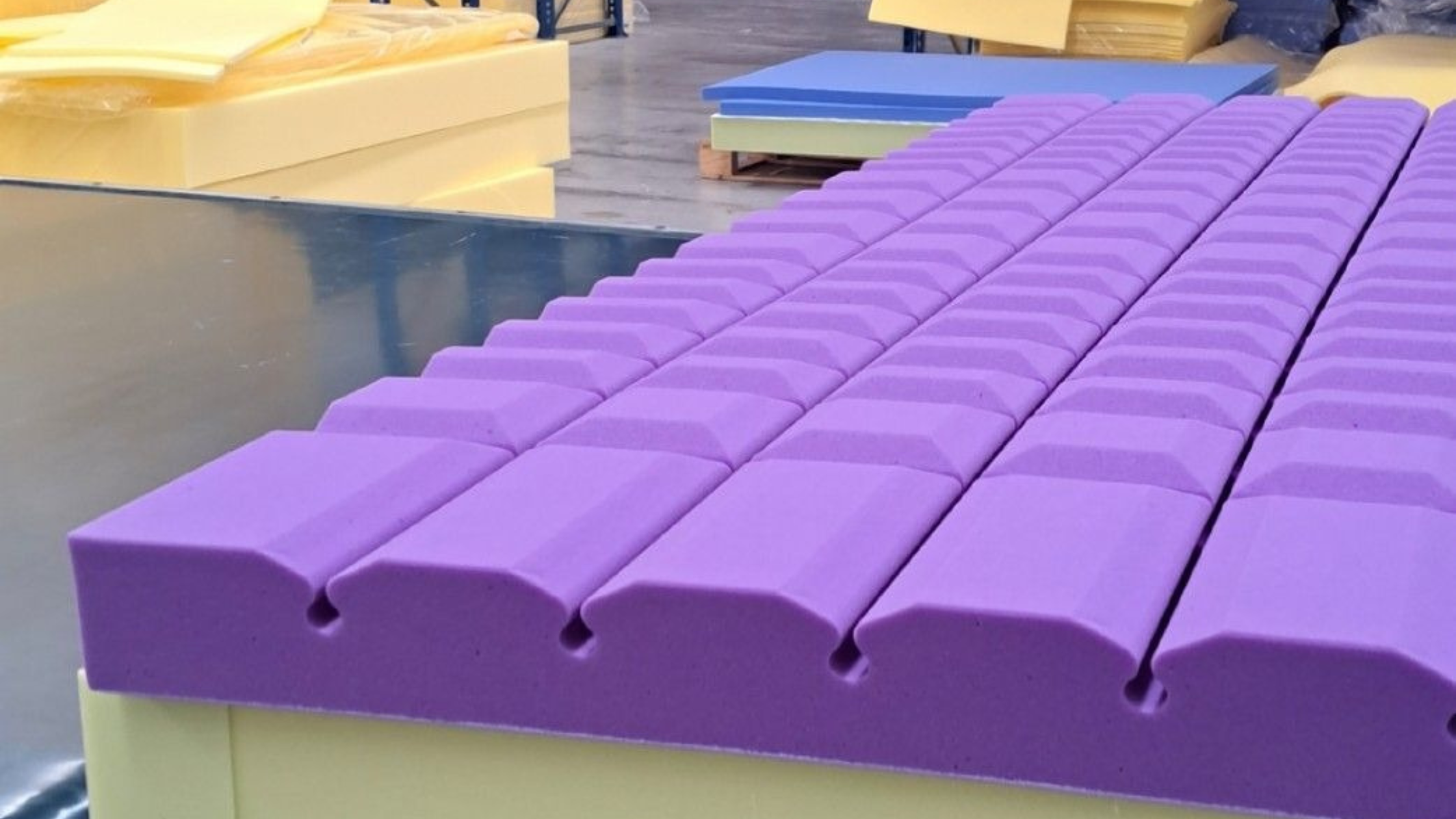
FIBC Jumbo Bag – Complete Guide, Types & Specifications

FIBC Jumbo Bag – Complete Guide, Types & Specifications

What Is an FIBC Jumbo Bag?

Technical definition:

Common names globally:

Why FIBC Bags Are Used

FIBC Jumbo Bag vs Regular Jumbo Bags

Components of an FIBC Jumbo Bag

1 Woven Polypropylene Fabric

2 Lifting Loops

3 Filling Options (Top Construction)

Open Top

Spout Top

Duffel Top / Skirt Top

Flap Top

4 Discharge Options (Bottom Construction)

Flat Bottom

Spout Bottom

Full Discharge / Conical Bottom

5 Inner Liners

3. Types of FIBC Jumbo Bags (A, B, C & D)

1 Type A FIBC Bags

2 Type B FIBC Bags

3 Type C FIBC Bags (Conductive Bags)

4 Type D FIBC Bags (Anti-Static Bags)

4. FIBC Jumbo Bag Specifications Explained

1 Fabric GSM

2 SWL (Safe Working Load)

3 Safety Factor (SF)

4 Shape Options

5 Printing & Branding Options

FIBC Jumbo Bag Applications (Industry-Wise Use Cases)

1 Agriculture

2 Food Industry

3 Chemical Industry

4 Construction

5 Pharmaceuticals

6 Mining

FIBC Bag Testing & Quality Standards

1 Top Lift Test

2 Drop Test

3 Tear Test

4 UV Testing

5 Cyclic Load Test

Why Choose an FIBC Bags Manufacturer in India?

1 High-quality polypropylene

2 Cost-effectiveness

3 Advanced manufacturing

4 Custom designs

How to Choose the Right FIBC Jumbo Bag (Buyer’s Checklist)

✔ Product type

✔ Weight per bag (SWL)

✔ Safety factor

✔ Electrostatic safety

✔ Weather conditions

✔ Liner requirement

✔ Top & bottom design

FAQs About FIBC Jumbo Bags

1. What is the full form of FIBC?

2. How much weight can a jumbo bag carry?

3. What are jumbo bags used for?

4. Can FIBC bags be reused?

5. Which FIBC type is best for powders?

6. Are FIBC bags waterproof?

7. Are FIBC bags recyclable?

Conclusion

Flexible Intermediate Bulk Container Bags (FIBC Bags): Complete Guide for 2026

Flexible Intermediate Bulk Container Bags (FIBC Bags): Complete Guide for 2026

Common Look-Alikes That Are NOT FIBCs:

Anti-static types A, B, C, D – straight from the guy who wrote the standard

11 Critical Numbers We Certify on Every Lot

Buying Guide: How to Choose the Right FIBC

1. Match Bag Type to Material

2. Consider SWL vs. Safety Factor

3. Verify Certification

4. Check UV and Weather Resistance

5. Inspect Stitching and Fabric Weight

  • Minimum 7 stitches per inch with high-denier threads
  • Fabric weight ≥ 180 g/m²

6. Evaluate Cost-Per-Trip

FIBC Advantages at a Glance

Maintaining FIBC Quality

Frequently Asked Questions About FIBCs

What is the Safe Working Load (SWL) of an FIBC?

Can FIBCs be reused?

Which FIBC type is suitable for powders prone to static?

Are FIBCs safe for food products?

How long can FIBCs last outdoors?

How should FIBCs be stored?

Can FIBCs be used for hazardous chemicals?

What materials can be shipped in FIBCs?

How do I choose the right FIBC supplier?

Conclusion

Jumbo Bags: Complete Guide to Types, Uses, Specifications & How to Choose the Right One

Jumbo Bags: Complete Guide to Types, Uses, Specifications & How to Choose the Right One

What Are Jumbo Bags?

Why Jumbo Bags Are Popular: Real-World Benefits

1) Huge Cost Savings

2) Safe Handling & Storage

3) Reusable & Eco-Friendly

4) Easy to Transport Bulk Material

5) Custom-Made for Your Material

Types of Jumbo Bags

1. U-Panel Jumbo Bags

2. Circular Jumbo Bags

3. Four-Panel Jumbo Bags

4. Baffle Jumbo Bags (Q-Bags)

Key Specifications You MUST Check Before Buying Jumbo Bags

1. SWL (Safe Working Load)

2. SFR (Safety Factor Ratio)

3. Fabric Material & GSM

4. Coated vs Uncoated Fabric

5. Loops Type

6. Liner (Inner Poly Liner)

7. UV Protection

Uses of Jumbo Bags Across Industries

Agriculture

Chemical Industry

Food Industry (Food-Grade Bags)

Construction & Mining

How to Choose the Right Jumbo Bag

1. Know your product material

2. Know how the bag will be handled

3. Ask for a test report

4. For export – choose baffle bags

5. Evaluate safety ratio

Who Should Buy Jumbo Bags?

Conclusion: Are Jumbo Bags the Right Packaging for You?

Flexible Intermediate Bulk Container (FIBC)

Flexible Intermediate Bulk Container (FIBC): Complete Guide for 2026

Flexible Intermediate Bulk Container

History

Manufacturing

Raw Material

Tape Extrusion

Weaving

Lamination (if applicable)

Cutting and Printing

Sewing and Assembly

Quality Control and Testing

What are flexible intermediate bulk containers?

What is the difference between IBC and FIBC?

What is an intermediate bulk container?

What are the different types of FIBC bags?

Materials Used in FIBCs

Types of FIBCs

Here are some common types of FIBCs:

Flexible intermediate bulk container types

01. Type A flexible intermediate bulk containers (no electrostatic protection)

02. Type B FIBC bulk container bag (Surface breakdown voltage < 6 kV)

03. Type C flexible intermediate bulk container (Grounded & electrically conductive)

04. Type D bulk container bags (CROHMIQ static dissipative or antistatic)

Flexible Intermediate Bulk Containers Manufacturers

Benefits of using Pursuit as FIBC manufacturers

Why Choose Pursuit As Your FIBC Bags Manufacturer?

How do flexible intermediate bulk containers compare to other solutions?

Replacing Paper Containers

Replacing Plastic Carrying Containers

Enhancing Shipping Containers

Replacing or Enhancing Hoppers

Replacing or Enhancing Liquid Loaders

Replacing or Enhancing Liquid Containers

What Are the 5 Most Common Types of FIBC Bags?

Understanding FIBC Types

Top 5 Different Types of FIBC Bags

1. U-Panel Bulk Bags

2. Circular Bulk Bags

3. 4-Panel Bulk Bags

4. Baffled Bulk Bags

5. Single Loop and Double Loop Bags

Other Considerations When Choosing a Flexible Bulk Container Type

Top Style

Coated vs Uncoated

Lift Loops

Static Protection

Which Type of Bulk Bag Is Right for You?

Industry-Specific FIBC Bulk Bag Use Cases

Benefits of Pursuit’s FIBC Containers

1. Superior Durability and Strength

2. Compliance with Strict Standards

3. An Eco-Friendly Solution

4. Versatility Across Different Applications

Applications in Various Industries

1. Chemical Industry

2. Construction

3. Agriculture

4. Food Industry

5. Mining

How to Select the Right Pursuit FIBC Container for Your Industry

Benefits of FIBC :

Cost-Effective Transportation and Storage

Space Efficiency

Customizable

Environmentally Friendly

Improved Safety

Versatility

Ease of Handling

Protection from Contamination

Global Compliance

Reduced Packaging Waste

Frequently Asked Questions

1. What is a Flexible Intermediate Bulk Container (FIBC)?

2. What is an Intermediate Bulk Container (IBC)?

3. What is the difference between FIBC and IBC?

4. What are the common sizes of FIBC bags?

5. What are the standard sizes of Intermediate Bulk Containers (IBC)?

6. What materials are FIBC bags made of?

7. What industries use FIBC bags?

8. Are FIBC bags reusable?

9. What are the different types of FIBC bags?

10. How much weight can an FIBC bag carry?

11. Can FIBC bags be customized?

13. What is the lifespan of an FIBC bag?

14. Are FIBC bags safe for food products?

15. What certifications are important for FIBC manufacturers?

Jumbo Bags (FIBC Bags): Complete Guide, Types, Sizes & Manufacturing

Jumbo Bags (FIBC Bags): Complete Guide, Types, Sizes & Manufacturing

Introduction to Jumbo Bags (FIBC Bags)

Types of Jumbo Bags

Standard FIBC Jumbo Bags

Specialty Jumbo Bags

Single & Two Loop Jumbo Bags

Plastic & Poly Jumbo Bags

Jumbo Garbage Bags

Jumbo Bean Bags & Other Variants

Jumbo Bag Sizes & Dimensions

Most Common Sizes:

Manufacturing Process of Jumbo Bags

Raw Material Preparation

Fabric Weaving

Cutting & Printing

Stitching & Loop Attachment

Liner Insertion

Testing & Certifications

Top Jumbo Bag Manufacturers in India

Major Manufacturing Regions

Industries Using Jumbo Bags

Agriculture

Construction

Chemicals & Minerals

Food & Pharma

Waste Management

Bitumen Packaging

Applications & Use Cases

Technical Specifications of Jumbo Bags

GSM Range

SWL (Safe Working Load)

Safety Factor (SF)

Loop Types

Bottom Designs

Jumbo Bag Branding & Companies

Pursuit Industries – A Trusted Manufacturer for High-Quality Jumbo Bags

Why Pursuit Industries Is Trusted for Jumbo Bags?

Rishi FIBC Solutions Pvt. Ltd.

Singhal Industries Pvt. Ltd.

Bulk Corp International

Related Jumbo Bag Products

How to Store, Handle & Transport Jumbo Bags

Forklift Handling

Palletization

Safety Guidelines

UV Protection

Jumbo Bags vs Other Packaging Solutions

FAQs

Q1. What is a jumbo bag?

Q2. What is the size of a 1 ton jumbo bag?

Q3. What is the price of a jumbo bag?

Q4. Which is the most appropriate jumbo bag company in India?

Conclusion – Why Choose FIBC Jumbo Bags?

Bitumen

Premium Bitumen Solutions for Modern Infrastructure – Pursuit Industries

Penetration Grade Bitumen

➤ Bitumen 40/50

➤ Bitumen 50/70

➤ Bitumen 60/70

➤ Bitumen 70/100

➤ Bitumen 85/100

➤ Bitumen 160/220

Viscosity Grade Bitumen (VG Bitumen)

Why Choose Pursuit Industries?

Contact Us for Bulk Orders & Export Pricing

Types of FIBC Bags: Complete Guide to FIBC Bag Types, Uses & Specifications

Types of FIBC Bags: Complete Guide to FIBC Bag Types, Uses & Specifications

What Are FIBC Bags? (Flexible Intermediate Bulk Containers)

Definition

What They Are Made Of

Common Names

Where They Are Used

FIBC Full Form

How Many Types of FIBC Bags Are There?

Why This Classification Matters

When to Choose Which Type

Types of FIBC Bags (Electrostatic Classification)

Type A FIBC Bags (Standard, Non-Conductive)

Construction

Safe Uses

Not Suitable For

Industries

Type B FIBC Bags (Low Breakdown Voltage)

Difference vs Type A

Limitations

Best Applications

Type C FIBC Bags (Conductive, Groundable Bags)

When Grounding Is Required

Industries Using Type C

Safety Requirements

Type D FIBC Bags (Anti-Static, No Grounding Required)

CROHMIQ / Dissipative Fabric Explanation

Ideal Conditions

Benefits Over Type C

FIBC Bag Construction Styles (Shape & Build Types)

U-Panel Bags

4-Panel Bags

Circular (Tubular) Bags

Baffle (Q Bags / Form-Stable Bags)

Top Styles of Flexible Intermediate Bulk Containers

Loop Varieties

1-Loop FIBC

2-Loop FIBC

4-Loop FIBC

Cross-Corner Loops

Corner Loops

Top Closures

Open Top

Spout Top

Duffle Top

Conical Top

Bottom Discharge Types

Plain Bottom

Discharge Spout

Duffle Bottom

Conical Discharge

FIBC Bag Specification Options

Applications & Industries Using Different Types of FIBC Bags

How to Choose the Right Type of FIBC Bag

1. Consider Material Type

2. Load Capacity & SWL Requirements

3. Flammability & Static Needs

4. Storage & Handling Conditions

5. Environmental Factors

Advantages of FIBC Bags (Why Businesses like Bulk Bags)

Frequently Asked Questions (FAQ)

What does FIBC stand for?

Which type of FIBC is safest for flammable materials?

Do Type C bags always require grounding?

Can Type D bags be used outdoors?

What is the most common FIBC bag type?

Conclusion: Which Type of FIBC Bag Is Right for You?

Why Choose Pursuit for FIBC Bags?

Intermediate Bulk Container (IBC): Types, Uses, Design, Safety & Industry Applications

Intermediate Bulk Container (IBC): Types, Uses, Design, Safety & Industry Applications

What Is an Intermediate Bulk Container?

Common Features of IBCs

Why Are They Called “Intermediate”?

History & Evolution of Intermediate Bulk Containers

Key Milestones

Types of Intermediate Bulk Containers

Rigid Intermediate Bulk Containers

Features

Applications

Collapsible Intermediate Bulk Containers

Benefits

Industries

Caged Intermediate Bulk Containers

Structure

Advantages

Flexible Intermediate Bulk Containers (FIBCs)

Features

Used For

Materials Used to Manufacture IBCs

High-Density Polyethylene (HDPE)

Benefits

Carbon Steel IBCs

Advantages

Stainless Steel (304/316)

Benefits

Composite IBCs

Engineering Design of IBCs

Key Design Features

Advantages of Using Intermediate Bulk Containers

Space Efficiency

Better Transport Efficiency

Enhanced Safety

Versatility

Cost Savings

Environmental Benefits

Uses and Applications of Intermediate Bulk Containers

Chemical Industry

Food & Beverage Industry

Agriculture

Pharmaceutical & Cosmetics

Petrochemical Industry

Water Storage & Treatment

Construction & Mining

Choosing the Right Intermediate Bulk Containe

Type of Product

Material Compatibility

Capacity Requirements

New vs Reconditioned vs Rebottled

Industry Certification

Safety Standards for IBCs

Fire Safety

Handling Safety

Labeling Requirements

Leakage Prevention

Maintenance, Cleaning & Reconditioning

Cleaning Process

Reconditioning Types

Environmental Impact & Sustainability

Environmental Benefits

Future of Intermediate Bulk Containers

Conclusion

FIBC Full Form: Flexible Intermediate Bulk Container (Meaning, Types & Uses Explained)

FIBC Full Form: Flexible Intermediate Bulk Container (Meaning, Types & Uses Explained)

What is an FIBC?

Why Are FIBCs Called “Flexible Intermediate Bulk Containers”?

1. Flexible

2. Intermediate

3. Bulk

4. Container

Common Names for FIBC Bags

How FIBC Bags Are Made

Types of FIBC Bags

1. Type A — Standard FIBC

2. Type B — Surface Breakdown Voltage

3. Type C — Conductive Bags

4. Type D — Anti-Static Bags

FIBC Bag Designs

U-Panel Bags

Circular Bags

4-Panel Bags

Baffle Bags (Form-Stable Bags)

FIBC Liners

Key Features of FIBC Bags

Applications of FIBC Bags

1. Agriculture

2. Chemicals

3. Construction

4. Food Industry

5. Pharmaceuticals

6. Mining

Advantages of FIBC Bags

How to Choose the Right FIBC Bag

FIBC Full Form vs. Related Terms

FAQs About FIBC Full Form

1. What is the full form of FIBC?

2. Are FIBC and jumbo bags the same?

3. What material is used to manufacture FIBCs?

4. What is the capacity of an FIBC bag?

5. Why are FIBCs so popular?

Conclusion

Food-Grade FIBC Manufacturers in India — Complete Guide

Food-Grade FIBC Manufacturers in India — Complete Guide

What Are Food-Grade FIBC Bags?

Why Food-Grade FIBC Bags Are Essential for Edible Products

Key Features of High-Quality Food-Grade FIBC Bags

1. Manufactured in Hygienic Clean-Room Facilities

2. Compliant With Global Food Safety Standards

3. Safe-contact fabric & components

4. Customization for Any Food Product

5. Strong for export handling

Why India Is a Global Leader in Food-Grade FIBC Manufacturing

1. High-Quality Standards

2. Competitive Pricing

3. Massive Export Network

4. Large Manufacturing Capacity

5. Skilled Workforce

Industries That Use Food-Grade FIBC Bags

Types of Food-Grade FIBC Bag

1. Standard Food-Grade Bags

2. Baffle Bags

3. Bags With Liners

4. Conductive Type C Bags

5. Anti-static Type D Bags

Step-by-Step Manufacturing Process of Food-Grade FIBC Bags

Step 1: Material Preparation

Step 2: Yarn Extrusion & Weaving

Step 3: Cutting & Printing

Step 4: Clean-Room Sewing Process

Step 5: Liner Fabrication (If Required)

Step 6: Metal Detection & Quality Checks

Step 7: Final Packing

How to Choose the Best Food-Grade FIBC Manufacturer in India

1. Check Certifications

2. Inspect Manufacturing Environment

3. Ask About Customization Options

4. Check Global Export Experience

5. Evaluate Communication & Support

Benefits of Food-Grade FIBC Bags

1. Ideal for Food Safety

2. Reduces Handling Costs

3. Easy to Transport

4. Space-Saving & Efficient

5. Eco-Friendly & Recyclable

Applications of Food-Grade FIBC Bags

Why Importers Prefer Indian Manufacturers

FAQs

1. Are food-grade FIBC bags safe for direct food contact?

2. Can I request customized sizes and printing?

3. Which industries are the biggest users?

4. Do Indian manufacturers export worldwide?

5. Are liners compulsory?

Conclusion