What Is Polyurethane Adhesive Used For?
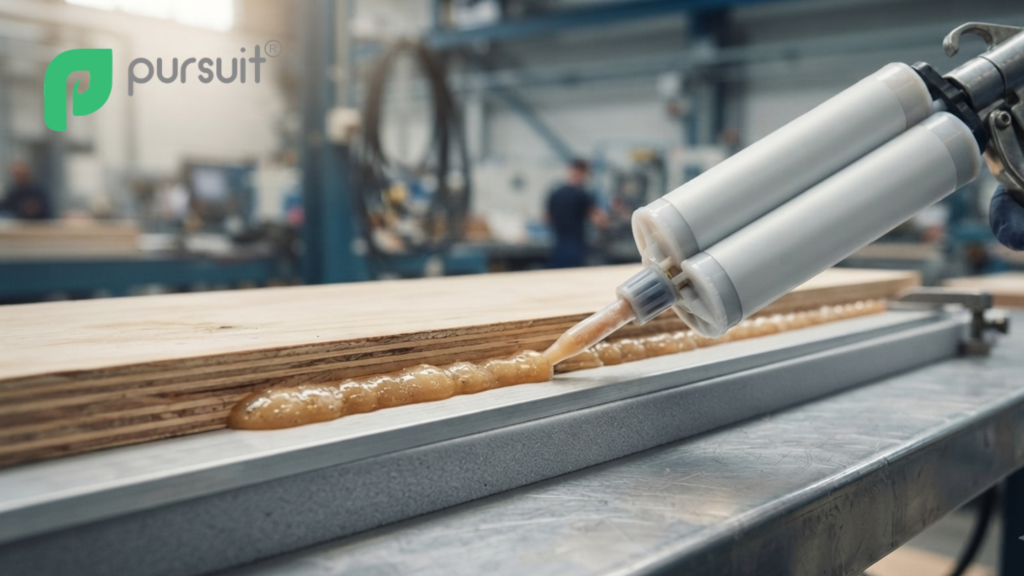
Polyurethane adhesive is used to bond wood, metal, plastic, foam and glass across construction, automotive, footwear, packaging and marine applications.
It’s kinda picked over other adhesives because it cures into a flexible , moisture-resistant bond, and that bond sort of holds up under vibration, temperature swings, and this longer kind of environmental exposure.
So yeah, it ends up being a standard choice where dissimilar materials really need a durable long-lasting joint.
Where Is Polyurethane Adhesive Used in Construction?
In construction polyurethane adhesive bonds structural insulated panels, laminates roofing membranes, and seals joints between different building materials like concrete , metal cladding, and composite boards.
Its gap-filling property helps with uneven substrates, and the cured flexibility lets it absorb expansion and contraction buildings undergo across seasons, rigid adhesives often can’t manage that without cracking or splitting.
How Is Polyurethane Adhesive Used in the Automotive Industry?
Automotive manufacturers use polyurethane adhesive for structural glazing , bonding windshields and windows directly to the vehicle frame.
It’s also used for attaching interior trim, composite body panels, and sound-dampening foam layers.
The adhesive’s vibration resistance and thermal stability makes it suitable for parts exposed to constant mechanical stress and temperature cycling , from engine-adjacent areas to exterior panels.
Why Do Woodworkers Prefer Polyurethane Adhesive?
Woodworkers often reach for polyurethane adhesive when the bond has to keep working through moisture exposure—because regular PVA wood glues don’t always hold up as reliably.
It sets up between wood-to-wood just as solidly as it does with wood-to-non-wood pairings (like laminates, veneers, even metal trims), and it expands a little during curing , which helps it seep into tiny gaps along the joint.
So it ends up being a go-to option for outdoor furniture , marine woodwork and also load-bearing joinery.
What Role Does Polyurethane Adhesive Play in Packaging?
For flexible packaging, a polyurethane adhesive laminate approach is used to bond multi layer films , such as plastic-to-foil and plastic-to-paper stacks seen in food pouches, industrial bags, and barrier style packaging.
In this use case , two-part polyurethane laminating adhesives are pretty common. They cure relatively fast, they tolerate the slitting and printing steps, and they create a food-safe barrier type seal between each layer.
Why Is Polyurethane Adhesive Used in Footwear Manufacturing?
Polyurethane adhesive also shows up in shoe making. Manufacturers use it to attach soles to uppers because it can handle thousands of flex cycles without cracking, or letting layers separate , so you get less delamination over time.
And compared with more rigid adhesive systems , it can actually move along with the shoe while you walk or run, which is why it became a sort of default choice for athletic footwear and everyday shoes alike.
How Is Polyurethane Adhesive Used in Foam and Textile Applications?
These polyurethane adhesive laminates expand with foam to fabric for mattresses, upholstered furniture and automotive seating; and attach insulation foam layers to appliances and cold-chain equipment.
It is chosen for such applications because it is able to bond well without giving stiffness to the foam, which is the purpose of the foam.
Is Polyurethane Adhesive Used in Marine and Industrial Applications?
Yes — for hull bonding, deck seams and general assembly, in marine and industrial applications, where exposure to moisture and salt would degrade other types of adhesive.
Its resistance to hydrolysis (breakdown from prolonged water contact) makes it a preferred sealant-adhesive in boat building and outdoor industrial equipment.
One-Component vs. Two-Component Polyurethane Adhesive
- One-component (moisture-cure): it cures using the surrounding air humidity , it’s easier to apply since no mixing is required , and you’ll see it a lot in construction and woodworking.
- Two-component (chemical-cure): it comes as two parts that get mixed before you apply it. Because of that , the cure tends to be quicker and more controlled , so it’s often preferred for high-volume production like automotive assemblies and packaging lamination, where cure speed and consistency really matter.
Why Choose Polyurethane Adhesive Over Other Adhesive Types?
- Bonds a variety of substrates including metal, wood, plastic, foam, glass into a single formula.
- Cures into a flexible bond line absorbing vibration and thermal movement
- Provides resistance to moisture and many industrial chemicals in similar applications that is greater than that of standard PVA or epoxy systems.
- Formulations designed for different cure speed and bond strength needs are available.
Frequently Asked Questions
Is polyurethane adhesive waterproof? Once fully cured, polyurethane adhesive is highly water-resistant and is commonly used in applications with direct or repeated moisture exposure, such as marine woodwork and exterior construction joints.
Can polyurethane adhesive bond metal to plastic? Yes. Polyurethane adhesive is widely used for bonding dissimilar materials, including metal-to-plastic and metal-to-foam combinations, which is one reason it’s favored in automotive and appliance manufacturing.
How long does polyurethane adhesive take to cure? There is a difference in cure time between one-component moisture-cure adhesive and a two-component system — one-component products take several hours to cure, depending on humidity, while two-component products can be formulated to respond to humidity to provide a faster and more predictable cure window.