

Polyurethane: Types, Properties, Manufacturing, Applications & Sustainability
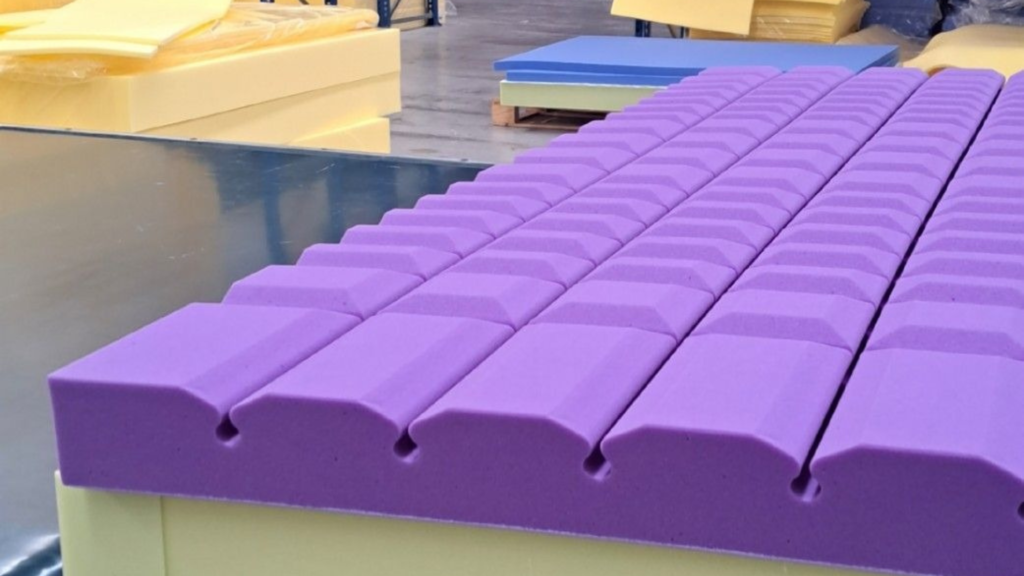
One of the most general polymer families is polyurethane which is utilized in the modern industry.
Polyurethane materials are used to address structural, thermal, and durability issues in all sectors through insulation in buildings and refrigerators, adhesives, automotive seating, medical tubing, coatings and high-performance elastomers.
What Is Polyurethane?
Polyurethane (PU) is a kind of synthetic polymers, which come about as a result of step-growth polymerization reaction involving polyols (alcohol-functional molecules), and polyisocyanates.
A urethane (carbamate) repeat bond is formed in the polymer backbone.
e a wide range of rigid and uniform structure plastics, polyurethane can be fabricated into:
- Flexible foams
- Rigid insulation foams
- Elastomers
- Coatings
- Adhesives
- Sealants
- Thermoplastic materials
- Structural molded components
This tunability makes polyurethane one of the most adaptable polymer systems in materials science.
History of Polyurethane
IG Farben German chemist Otto Bayer and his team developed polyurethane chemistry, originally, in 1937. The finding was first intended to develop alternatives of rubber and nylon.
Commercial production grew after the World War II, and in the middle of the 20th century, the revolution in foams occurred with polyurethane foams:
- Furniture cushioning
- Mattress manufacturing
- Automotive seating
- Insulation systems
Polyurethane is now considered by the way of a cornerstone material in co.
Polyurethane Chemistry Explained
Core Raw Materials
Polyurethane is produced by reacting:
1. Polyols
Long-chain molecules containing multiple hydroxyl (–OH) groups.
Types include:
- Polyether polyols
- Polyester polyols
- Polycarbonate polyols
These affect flexibility, durability, hydrolytic stability, and chemical resistance.
2. Isocyanates
Compounds bearing the groups -NCO.
Common industrial types:
- MDI (methylene diphenyl diisocyanate)
- TDI (toluene diisocyanate)
These determine rigidity, reactivity, and thermal performance.
The Polymerization Reaction
The primary reaction:
Isocyanate (–NCO) + Alcohol (–OH) → Urethane linkage
This reaction:
- Is exothermic
- Usually involves the use of catalysts.
- It does not necessarily discharge a small molecule byproduct.
- Takes the shape of a step-growth polymer network.
In case water is added deliberately, it interacts with isocyanate to form carbon dioxide (CO 2) that forms foam structures.
Structure–Property Relationship
Polyurethane materials consist of:
- Soft segments (from polyols)
- Hard segments (from isocyanates + chain extenders)
This microphase separation enables:
- Elasticity
- Toughness
- Impact resistance
- Adjustable rigidity
The variations of ratios and functionality result in soft sponges, hard structural panels, and various other types of materials developed by manufacturers.
Major Types of Polyurethane
Flexible Polyurethane Foam
Flexible foam has large application in cushioning.
Key Properties:
- Lightweight
- Resilient
- Breathable
- Customizable density and firmness
Major Applications:
- Mattresses
- Upholstered furniture
- Automotive seats
- Carpet underlay
- Protective packaging
A large part of the polyurethane market that exists in North America is occupied by flexible polyurethane foam.
Rigid Polyurethane Foam
PU foam is dishonest and is mostly applied in thermal insulation.
Why It’s Effective:
- Closed-cell structure
- Low thermal conductivity
- High compressive strength
- Excellent strength-to-weight ratio
Applications:
- Roof insulation
- Wall insulation panels
- Refrigerators and freezers
- Insulated doors and windows
Heating, as well as cooling, constitutes a significant household energy use. Rigid polyurethane foam is a very important material to energy-efficiency as defined by the United States Department of Energy, which suggests that insulation helps to lower the energy bills.
Polyisocyanurate (Polyiso) Foam
Polyiso is a modified rigid foam that is enhanced by better:
- Fire performance
- Thermal stability
- Roofing durability
It is normally incorporated in commercial roofing systems.
Thermoplastic Polyurethane (TPU)
Thermoplastic polyurethane is an elastomeric compound but it is melted processable.
Key Characteristics:
- Highly elastic
- Abrasion-resistant
- Impact-resistant
- Recyclable (mechanically)
Processing Methods:
- Injection molding
- Extrusion
- Blow molding
- Compression molding
- Vacuum forming
Applications:
- Footwear soles
- Wire and cable coatings
- Hydraulic hoses
- Automotive components
- Industrial belts
TPU was also capable of being reheated and reshaped unlike thermosetting PU.
CASE Applications (Coatings, Adhesives, Sealants, Elastomers)
Coatings
Provide:
- Scratch resistance
- UV protection
- Chemical resistance
- Extended product lifespan
Used in flooring, furniture, automotive finishes.
Adhesives
Offer:
- High bond strength
- Structural bonding capability
- Flexibility under stress
Sealants
Used in:
- Construction joints
- Window frames
- Roofing systems
Elastomers
Used as lightweight metal alternatives:
- Rollers
- Wheels
- Industrial parts
- Shock absorbers
Reaction Injection Molding (RIM)
RIM involves casting low viscosity reactants in a Mold and it is permitted to cure.
Advantages:
- Complex shapes
- Thick and thin sections
- Lightweight structures
- Good dimensional stability
Applications:
- Automotive bumpers
- Electrical enclosures
- Telecom housings
Polyurethane Binders
Used to bond particles and fibers.
Major uses:
- Oriented Strand Board (OSB)
- Medium-density fiberboard (MDF)
- Rubber flooring
- Rebond foam carpet underlay
Waterborne Polyurethane Dispersions (PUDs)
Water-based PU systems reduce:
- Volatile Organic Compounds (VOCs)
- Hazardous air pollutants
Growing in usage in coating and adhesive because of environmental legislation.
Industrial Applications by Sector
Construction & Building
Polyurethane is used in:
- Roof insulation boards
- Foam-core structural panels
- Garage doors
- Reflective roofing membranes
- Wall insulation systems
Benefits:
- Energy efficiency
- Moisture resistance
- Structural strength
- Long service life
Automotive Industry
Applications include:
- Seat cushions
- Headliners
- Dashboards
- Bumpers (via RIM)
- Sound insulation
- Sealants
Benefits:
- Weight reduction
- Fuel efficiency
- Noise reduction
- Corrosion resistance
Appliances
Rigid polyurethane foam is critical in:
- Refrigerators
- Freezers
- Insulated storage units
It allows manufacturers to achieve efficient performance in energy consumption.
Electronics
Non-foam polyurethane is used as:
- Potting compounds
- Encapsulation materials
- Insulating coatings
- Underwater cable protection
Properties:
- High dielectric strength
- Thermal stability
- Moisture resistance
Medical Applications
Polyurethanes are used in:
- Catheters
- Tubing
- Surgical drapes
- Wound dressings
- Short-term implants
Reasons:
- Flexibility
- Biocompatibility (short term)
- Mechanical durability
Marine Industry
Used for:
- Boat hull coatings
- Insulation panels
- Hydraulic hoses
- Wire coatings
- Structural components
Advantages:
- Corrosion resistance
- Abrasion resistance
- Lightweight strength
Apparel & Textiles
Polyurethane enables:
- Spandex fibers
- Stretchable sportswear
- Synthetic leather
- Waterproof coatings
Flooring Systems
Applications:
- Carpet underlay foam
- Protective surface coatings
Benefits:
- Durability
- Noise reduction
- Easy maintenance
- Abrasion resistance
Packaging
Polyurethane packaging foam provides:
- Custom-fit cushioning
- Shock absorption
- Protection for electronics
- Protection for medical equipment
- Industrial equipment transport safety
Advantages of Polyurethane
- Exceptional strength-to-weight ratio
- Superior insulation performance
- Abrasion resistance
- Flexibility and elasticity
- Chemical resistance
- Design adaptability
- Long service life
- Energy-saving contribution
Limitations and Challenges
- Isocyanate toxicity during manufacturing
- Fire performance depends on formulation
- UV degradation in aromatic systems
- Recycling complexity
- Environmental disposal concerns
Sustainability & Environmental Impact
Energy Efficiency
Rigid polyurethane foam can save building energy a lot.
Better insulation:
- Reduces heating/cooling demand
- Lowers greenhouse gas emissions over lifecycle
VOC Reduction
The PUD systems that are waterborne decrease solvents emissions and enhance the indoor air quality.
Recycling & Circular Economy
Current approaches:
- Mechanical recycling (grinding and rebonding)
- Chemical recycling (glycolysis)
- Energy recovery
Research continues into:
- Bio-based polyols
- Recyclable thermoplastic systems
Fire Safety & Building Codes
Modern formulations incorporate:
- Flame retardant additives
- Improved thermal stability
- Compliance with building standards
Polyiso foams tend to be better fire resistant than regular rigid PU.
Workplace Health & Safety
Isocyanates require:
- Controlled industrial handling
- Proper ventilation
- Personal protective equipment (PPE)
Complete products of polyurethane have a remarkably stable and safe state when fully cured.
Organizations like the American Chemistry Council assist with industry guidance.
Many people also ask about safety—learn more in our detailed guide on whether polyurethane is toxic.
Future Trends in Polyurethane
- Bio-based polyols
- Recyclable TPU systems
- Smart coatings
- Lightweight EV materials
- Improved fire-safe insulation
- Low-emission production technologies
Polyurethane is also developing to sustainability and performance requirements.
Frequently Asked Questions
Is polyurethane plastic or rubber?
It is a polymer family that can behave like plastic, rubber, or foam depending on formulation.
Is polyurethane waterproof?
Many formulations are water-resistant, especially coatings and elastomers.
Is polyurethane safe?
Cured polyurethane is generally safe; however, raw isocyanates must be handled carefully during manufacturing.
Can polyurethane be recycled?
Thermoplastic PU can be mechanically recycled. Thermoset PU requires chemical recycling or energy recovery.
Is polyurethane flammable?
Fire behavior depends on formulation and additives.
Conclusion
Polyurethane comprises of one of the most flexible and high-performance polymer systems within the current materials environment.
It is vital in the construction, transportation, electronics, medical technology, packaging, and other fields because it can be configured into flexible foams, rigid insulation panels, elastomers, adhesives, and coating types, and thermoplastic materials.
With the sustainability criteria growing and the energy efficiency becoming more crucial, polyurethane is also developing – balancing performance, safety and environmental responsibility.