What is Cocamidopropyl Betaine?
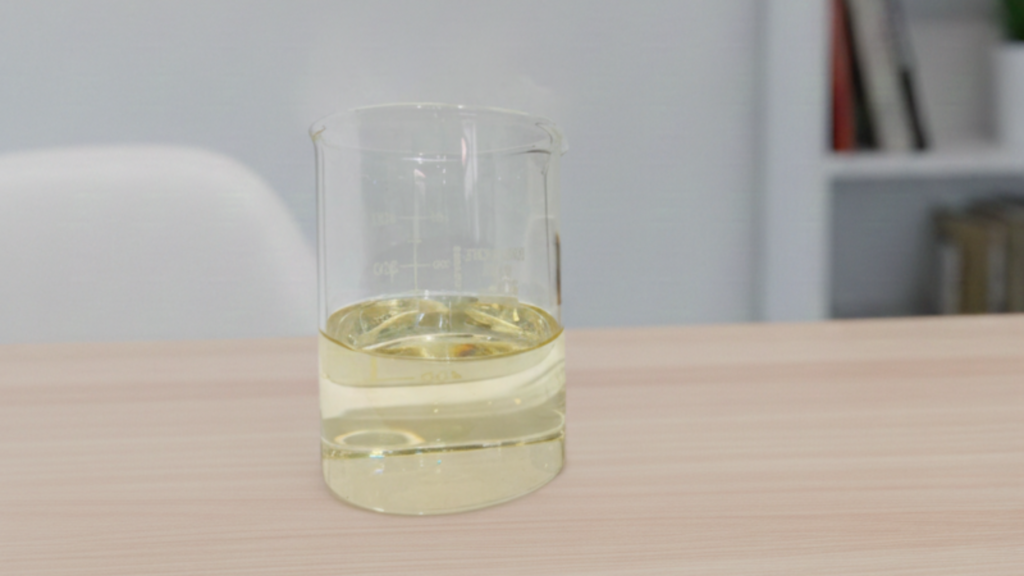
Cocamidoprolyl betaine (CAPB) is a weak, amphoteric surfactant that finds numerous applications in shampoos, body washes, facial cleansers, liquid soaps and toothpaste.
It is recommended to use mostly in personal care formulations to enhance the cleansing action of the product, lessen the irritacy levels, elevate the foam and soften the product on the skin and hair.
Simply stated, cocamidoprolyl betaine aids in cleanliness without being rough. This is why it is common in the recipes that are sulfate-free and gentle.
What Is Cocamidopropyl Betaine Made From?
The fatty acids of coconuts are put under dimethylaminopropylamine and the process is treated to produce cocamidoprolyl betaine which is amphoteric surfactant.
Important clarification:
- It is prepared with coconut oil, however.
- It is not similar to raw coconut oil.
- It is chemically processed hence not a hundred percent natural.
This is why many people ask:
- Is cocamidoprolyl betaine coconut? → Contained coconut, yes.
- Is cocamidopropyl betaine natural? → Partially, but chemically processed
What Type of Surfactant Is Cocamidopropyl Betaine?
Cocamidopropyl betaine is an amphoteric surfactant.
This means:
- It can be an anionic and cationic with a varying pH.
- It is interchangeable with other surfactants.
- It is useful in the diminishing irritation of the more potent cleaners.
Because of this property, cocamidopropyl betaine is often added alongside stronger surfactants like sodium laureth sulfate.
What Does Cocamidopropyl Betaine Do?
The functions of cacamidoprolyl betaine are different:
- Rubs all the skin and hair.
- Improves the foaming and stability.
- Reduces the irritability of coarse surfactants.
- Raise the viscosity (thickness) of formulations.
- The skin feel after washing.
This has made it popular in shampoo, body, face, and hand soap, and toothpaste.
What Is Cocamidopropyl Betaine Used For?
It is used in common in:
- Shampoos and conditioners
- Body washes and shower gels
- Facial cleansers
- Hand soaps and liquid soaps
- Baby care products
- Oral care products and toothpaste.
People often search:
- What is cocamidopropyl betaine used for in shampoo?
- What is cocamidopropyl betaine in toothpaste?
The role is always identical, soothing cleansing with minimized irritation.
Cocamidopropyl Betaine in Shampoo
In shampoos, cocamidopropyl betaine:
- Enhances foam without depilitating hair.
- And softens scalp shampoo.
- Helps minimise the sulfate effects in causing dryness.
That is why many “sulfate-free” or “low-irritation” shampoos include cocamidopropyl betaine.
Cocamidopropyl Betaine for Hair
Benefits for hair include:
- Gentle cleansing
- Reduced scalp irritation
- Better foam feel
- Sensitivity to sensitive scalps.
Does cocamidoprolyl betaine contain any harm to hair?
Yes, it is safe to most of the populace, at least in the controlled concentrations.
Cocamidopropyl Betaine for Skin
In skincare products: cocamidoprolyl betaine:
- Washes without destroying skin barrier.
- Removes dryness in comparison to severe surfactants.
- Enhances post wash softness.
Cocamidoprolyl betaine: Is it safe on skin?
Yes, usually but sensitive people might get reactions.
Cocamidopropyl Betaine Side Effects
The side effects may include: though they are mild, some people may have them.
- Skin irritation
- Redness or itching
- Allergic contact dermatitis (rare)
This leads to searches like:
- allergy to cocamidoprolyl betaine.
- Cocamidoprolyl betaine has side effects.
Most of the reported cases have been attributed to impurities and not the cocamidoprolyl betaine.
Cocamidopropyl Betaine Allergy
Not many percentages of people are allergic to cocamidoprolyl betaine or impurities of the same kind.
Symptoms may include:
- Itching
- Burning sensation
- Rash
- Scalp irritation
In case of the occurrence of the symptoms, cocamidoprolyl betaine free shampoo or body wash are recommended.
Is Cocamidopropyl Betaine Safe?
Cosmetic regulatory agencies consider cocamidoprolyl betaine safe when used under prescription.
Key points:
- Not counted as carcinogenic.
- Not regarded as an endocrine disruptant.
- Safety in permissible cosmetic levels.
So when people ask:
- Is cocamidopropyl betaine toxic? → No, at cosmetic use levels
- Does cocamidopropyl betaine cause cancer? → No scientific evidence supports this
Cocamidopropyl Betaine in Toothpaste
Cocamidoprolyl betaine: in toothpaste.
- Acts as a mild foaming agent
- Is not as irritating as sodium lauryl sulfate.
- Helps improve mouthfeel
Cocamidoprolyl betaine free toothpaste is also popular among those mouth sensitive people, yet a great number of mouth sensitive people can find it.
Cocamidopropyl Betaine vs Coco Betaine
Due to the similarity in the names of:
- Coco betaine is not very processed.
- Cocamidoprolyl betaine is more stable and more popular.
These are not same and there are differences in performance in formulations.
Cocamidopropyl Betaine vs Cocamidopropyl Hydroxysultaine
Cocamidopropyl hydroxysultaine:
- Is even milder
- Is widely used in baby product.
- Less irritating potential.
The two are amphoteric surfactants, though at a slightly different end.
Chemical Formula of Cocamidopropyl Betaine
The cocamidoprolyl betaine does not contain a specific fixed chemical composition since it consists of compounds, which are synthesized by means of fatty acids.
This is why searches like:
- cocamidoprolyl betaine chemical formula.
- CAS number CAS number cocamidoprolyl betaine CAS number.
They are more likely to have series of shows as opposed to one show.
Is Cocamidopropyl Betaine Biodegradable?
The positive thing is that cocamidoprolyl betaine is deemed to be readily bio-degradable and could be used in the formulations that are environmentally friendly.
Should You Avoid Cocamidopropyl Betaine?
You may choose to avoid it if:
- You have a confirmed allergy
- A skin doctor of yours suggests you abstain.
Otherwise it is a good and safe surfactant to majority of the users.
Final Verdict: Is Cocamidopropyl Betaine Good or Bad?
| ✔️ / ❌ | Point |
|---|---|
| ✅ | Gentle cleanser |
| ✅ | Improves foam |
| ✅ | Reduces irritation |
| ✅ | Safe in regulated amounts |
| ❌ | May cause reactions in sensitive individuals |
All in all cocamidoprolyl betaine is one of the most reliable surfactants that can be used in personal care formulations.