

Soap and Detergent Manufacturing
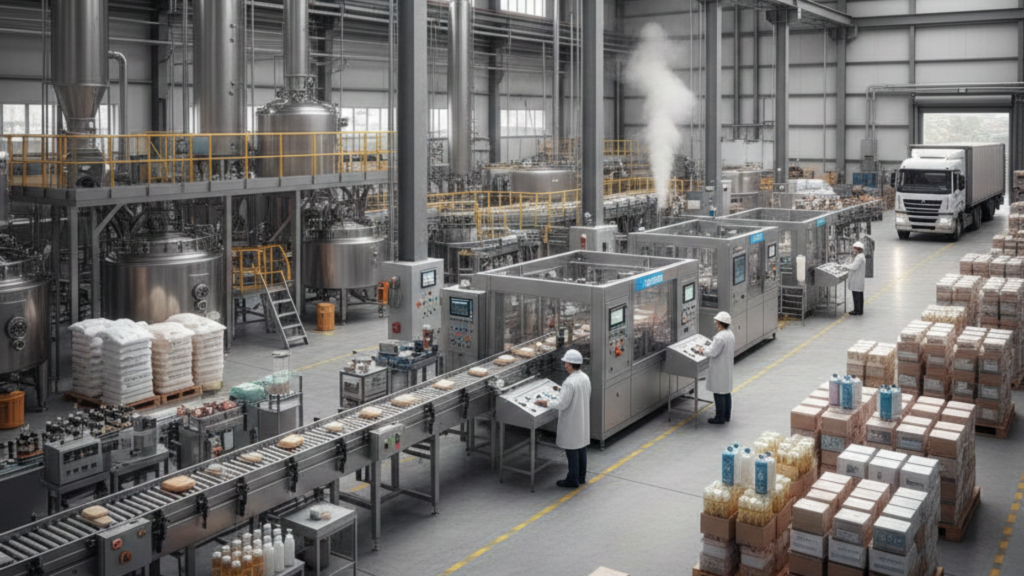
One of the most stable and perennial segments of the FMCG and industrial chemicals industry is the soap and detergent manufacturing.
Soaps and detergents: Soaps and detergents are used on a daily basis as a household cleaning product, and as a form of institutional hygiene and industrial usage.
Both in the urban and rural segments of the market the demand is consistent.
This guide is written for:
- Business starters intending to open a manufacturing enterprise of soap and detergents.
- Small and middle manufacturers interested in expansion.
- Students and learners who would want to have a clear picture of the manufacturing process.
- Delta sourcing suppliers being evaluated by buyers and sourcing professionals.
The objective of this article is people-first: it should give you real decisions, experience-based, and trustworthy information that can and will guide you to a real decision, not just help you rank in the search engines.
Soap and Detergent Manufacturing: Industry Overview
The soap and detergent production process entails the transformation of raw chemical substances into cleaning products that eliminate dirt, grease and stains.
Although natural oils and fats are traditionally used in the manufacture of soaps, the detergents are manufactured using synthetic surfactants aimed at working well in hard water and industrial settings.
Why This Industry Continues to Grow
- Rising hygiene awareness
- Expansion of the hospitality, healthcare and laundry facilities.
- Increasing urbanization
- Growing need of private-label and contract manufacturing.
Soap vs Detergent: Key Differences Every Manufacturer Must Know
| Factor | Soap | Detergent |
|---|---|---|
| Base Material | Natural oils & fats | Synthetic surfactants |
| Performance in Hard Water | Less effective | Highly effective |
| Manufacturing Cost | Lower (small scale) | Moderate to high |
| Scalability | Limited | Highly scalable |
| Environmental Impact | Biodegradable | Depends on formulation |
This difference is important in the planning of the cost of plants, sourcing of raw materials, and profit margins.
Soap Manufacturing Process (Step-by-Step)
Raw Materials Used in Soap Manufacturing
- Vegetable oils or animal fats (palm oil, coconut oil, tallow)
- Alkali: Sodium hydroxide (NaOH) or Potassium hydroxide (KOH)
- Water
- Fragrances and essential oils
- Colorants are natural or artificial.
- Preservatives (if required)
Soap Manufacturing Process Explained
The process of making the soap is founded on the saponification which is a chemical reaction that took place between fats and alkali.
Step 1: Oil Preparation
Oils are measured and warmed up to a desired temperature.
Step 2: Lye Preparation
Sodium hydroxide is diluted and care should be taken under all precautions in water.
Step 3: Saponification Reaction
Lye solution is gradually introduced into the mix of oils until trace is obtained.
Step 4: Additives Mixing
Fragrance, color, and functional additives are added.
Step 5: Molding & Curing
Soap is poured into molds and cured for 2–6 weeks.
Step 6: Cutting & Packaging
Stamped, cut and packed cured soap.
It can be modified to cold process, hot process or industrial continuous soap production.
Detergent Manufacturing Process (Powder & Liquid)
Raw Materials for Detergent Manufacturing
- LABSA (Linear Alkyl Benzene Sulphonic Acid)
- Sodium carbonate (Soda ash)
- Sodium silicate
- Sodium sulfate
- Enzymes
- Optical brighteners
- Fragrance
Detergent Powder Manufacturing Process
- Neutralization of LABSA
- Slurry preparation
- Spray drying or dry mixing
- Perfuming
- Packaging
Liquid Detergent Manufacturing Process
Key steps in manufacturing liquid laundry detergent include:
- Water heating
- Surfactant blending
- pH adjustment
- Thickening
- Fragrance addition
- Quality testing
Liquid detergent plants are relatively less in terms of capital investment as compared to spray drying detergent plants.
Machinery & Equipment Required
Soap Manufacturing Machines
- Oil melting tanks
- Soap mixing vessels
- Plodder machine
- Soap cutter
- Stamping machine
Detergent Production Equipment
- Ribbon blender
- Mixing tanks
- Spray dryer (large scale)
- Packing machines
Small Scale vs Industrial Setup
Start ups should use small scale soap production equipments and industrial detergent production equipment when large volumes of FMCGs are to be supplied.
Raw Materials & Chemical Suppliers
The selection of credible suppliers of chemical used to manufacture soaps is important to:
- Product consistency
- Regulatory compliance
- Cost control
The bulk raw materials used to make soaps should be sourced with:
- MSDS documentation
- Batch consistency
- Long-term supply assurance
How to Start a Soap and Detergent Manufacturing Business
Step 1: Market Research
Determine the target customers, either the retail, institutional, or industrial.
Step 2: Business Model Selection
- Homemade / small scale
- Contract manufacturing
- Full-scale plant
Step 3: Business Plan Preparation
A business plan should involve a soap and detergent manufacturing company and must have:
- Investment estimation
- Machinery layout
- Raw material sourcing
- Pricing strategy
Step 4: Manufacturing Plant Cost
Typical costs include:
- Machinery
- Utilities
- Labor
- Compliance & licenses
Legal, FDA & Compliance Requirements
Is It Legal to Sell Homemade Soap?
Yes, but regulations are different in case the product is considered as soap or cosmetic.
Do You Need FDA Approval to Sell Soap?
- True soap: Usually exempt
- Cosmetic soap: Registration necessary.
Selling should always be checked against local laws.
Profitability Analysis
Is Soap Making a Profitable Business?
- Gross margins: 30–60%
- Low entry barrier
- Brand-driven scalability
Detergent Business Profit Margin
- Powder detergent: 15–25%
- Liquid detergent: 20–35%
Weaknesses of the Laundry Business
- High competition
- Price sensitivity
- Branding cost
Industry Landscape
- Soap and detergent manufacturing companies in India
- Industrial detergent manufacturers
- Contract manufacturing services for cleaning products
Frequently Asked Questions (FAQs)
How many bars does 1 lb of soap base make?
Typically 4–5 standard bars.
Is it hard to start a soap business?
No, scaling needs quality control and branding.
Do I need insurance to sell soap?
Liability insurance of products is advisable.
Conclusion
The production of soap and detergents is a business idea that will be very viable in case of technical knowledge, awareness of regulations as well as customer-oriented strategy.
Quality, compliance and consistency are what success depends on not shortcuts.
This guideline will assist you in establishing a sustainable, reliable manufacturing company in accordance with the real-world demands and Google people-first content principles.