

Polyurethane: Properties, Production Process, and Industrial Applications
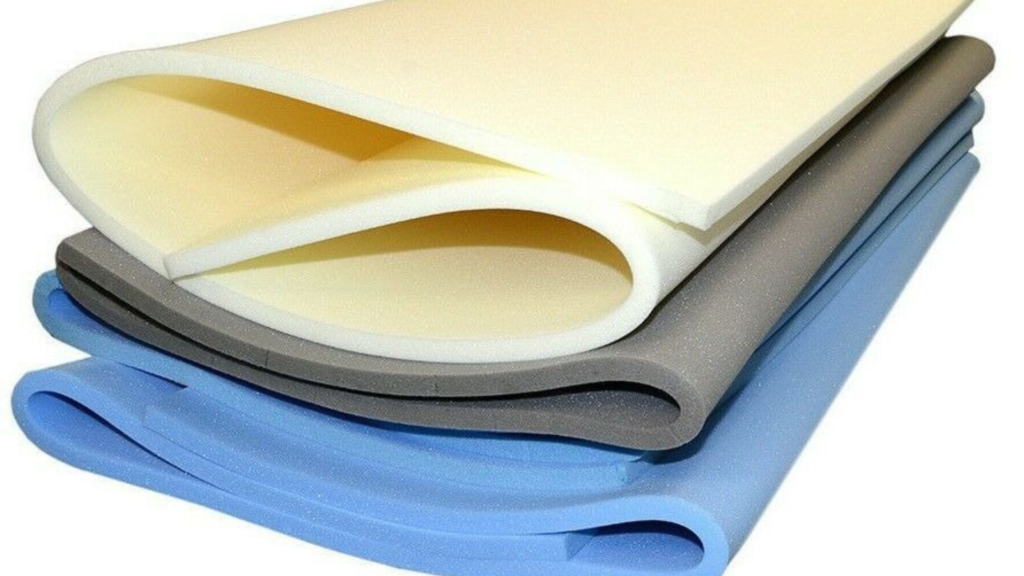
What is Polyurethane?
Polyurethane (PU) is a painfully universal polymer that is extensively applied in the industrial and commercial industry today.
It is created out of a chemical reaction between isocyanates and polyols resulting in a strong and flexible polymer structure.
Polyurethane is available in various forms depending on the intended use and they include:
- Flexible foams
- Rigid foams
- Coatings
- Adhesives
- Sealants
- Elastomers
Polyurethane is applied in numerous industries due to its strength, lightness, and versatility because of their use in construction, automobile, furniture, electronics, shoes and packaging.
For a deeper understanding of polyurethane materials and their different industrial uses, you can also read Polyurethane: Complete Guide to Uses, Foam, Coatings, Sealants & Applications
History of Polyurethane
Polyurethane was invented by a German chemist Otto Bayer, in 1937. His experiment entailed the contact of the isocyanates with the polyols that resulted in the urethane bonding.
Polyurethane diffusion- Polyurethane was first invented in Germany and there scientists were seeking other materials in the form of polymer. Originally to use polyurethane was primarily:
- Aircraft coatings
- Protective layers
- Fibers
The technology of polyurethane was enhanced in 1950s with the development of flexible foams to be applied in furniture and mattresses.
Today flexible foam products are widely used in mattresses, furniture cushions and automotive seats. If you want to understand foam materials in detail, read Polyurethane Foam Guide
Polyurethane foams were also widespread in car seats and interior components of the automobiles in the 1960s and the 1970s.
Polyurethane is undoubtedly one of the industrial polymers of importance to the world today.
Today, polyurethane is one of the most important industrial polymers in the world.
Chemistry of Polyurethane
Polymerization reaction is a process through which polyurethane is prepared in 2 components.
Isocyanates + Polyols → Polyurethane Polymer
The polyurethane polymer structure is formed by the result of this reaction through the formation of urethane bonds.
Basic Chemical Reaction
The -NCO functional groups that are present in the isocyanates are highly reactive and react with the -OH (hydroxyl groups) of polyols.
It reacts to form urethane bonds that form long chains of polymer forming polyurethane materials.
Polymer Structure
Polyurethane is typically made of 2 components which are structural:
- Soft segments, which provide flexibility and elasticity
- Hard segments, and offer strength and mechanical stability.
The integration of these blocks enables polyurethane to have a broad spectrum of physical characteristics.
Foam Formation Reaction
Isocyanates may also be reacted with water to produce carbon dioxide (CO₂) gas in the making of foams.
The gas causes the bubbles in the substance that forms cellular structure that results in lightweight polyurethane foam.
For a detailed explanation of foam structure and types, check Polyurethane Foam Guide.
Raw Materials Used in Polyurethane Production
Several raw materials are used to control the properties of the final product associated with polyurethane.
Isocyanates
Isocyanates are one of the greatest components that are employed in the manufacture of polyurethane. They provide the reactive groups that are involved in formation of polymers.
Common types of isocyanates include:
- TDI (Toluene Diisocyanate)
- MDI (Methylene Diphenyl Diisocyanate)
- HDI (Hexamethylene Diisocyanate)
- IPDI (Isophorone Diisocyanate)
Every form of isocyanate is chosen depending on the properties required and use of the polyurethane material.
Polyols
The second significant polymer in the manufacture of polyurethane is polyols.
These substances have hydroxyl groups which reacts with iso-cyanates to create polyurethane.
Common types of polyols include:
- Polyether polyols
- Polyester polyols
- Polycarbonate polyols
- Specialty polyols
The nature of polyol employed determines the flexibility, tensile strength and mechanical characteristics of the end polyurethane product greatly.
Bio-Derived Materials
Manufacturers continue to develop bio-based polyols that are produced out of renewable sources as the sustainability problem increasingly takes notice.
Examples include:
- Soybean oil
- Castor oil
- Algae oil
These green materials assist in minimizing environmental harm and ensure sustainable manufacturing of polymer.
Chain Extenders and Crosslinkers
The structure of the polyurethane polymer is modified and strengthened with the use of chain extenders and crosslinkers.
These materials facilitate the regulation of the hardness, elasticity and the mechanical strength.
Common examples include:
- Ethylene glycol
- 1,4-Butanediol
- Diethanolamine
These compounds form more powerful polymer networks through the extension or the attachment of polymer chains.
Catalysts Used in Polyurethane Production
The catalysts are significant to regulate the rate of the polyurethane reaction. They are effective in production and the formation of polymer.
There are two large categories of catalysts:
- Amine catalysts
- Tin catalysts
Common catalysts include:
- DABCO
- Dimethylcyclohexylamine
- Dibutyltin dilaurate
The selection of the appropriate catalyst assists with the regulation of curing time and foam structure.
Surfactants in Polyurethane
Polyurethane foams necessitate the use of surfactants. They stabilize the foam structure and regulate the size and homogeneity of foam cells.
Typical surfactants include:
- Silicone surfactants
- Block copolymers
The additives maintain stable foam quality in manufacture.
Polyurethane Production Process
The production of polyurethane is normally two-part.
Two-Component System
The two primary food ingredients utilized in the manufacture are:
- A-side: Isocyanate
- B-side: Polyol blend (polyols plus additives)
Mixing Process
The process of manufacture usually consists of the following steps:
- Measuring raw materials accurately
- Mixing A-side and B-side components
- Initiating the chemical reaction
Curing Process
Once mixed up the reactive material is then poured or injected into molds where it will be polymerized. This is then cured and the polyurethane product is formed.
Manufacturing Methods
Polyurethane products are some of the manufactured products which use several industrial manufacturing method.
Molded Foam Production
This is a method generating foam in the molds that finds extensive application in the auto industry as well as furniture.
Examples include:
- Automotive seats
- Furniture cushions
Spray Foam Production
Spray polyurethane foam is widely applied to assure insulation in building projects and construction.
Reaction Injection Molding (RIM)
Under this technique, liquid polyurethane material is injected into a mold and the reaction is carried out giving a result of strong molded pieces.
Elastomer Casting
Durable elastomers with high flexibility and wear resistance are made using elastomer casting through the use of polyurethane.
Polyurethane Applications
Polyurethane is an adaptable material that is utilized in numerous industrial fields due to its performance.
Flexible Foam
Flexible polyurethane foam is widely used in furniture and bedding products.
Examples:
- Mattresses
- Sofa cushions
Rigid Foam
Insulation is normally carried out with rigid polyurethane foam.
Examples:
- Insulation panels
- Refrigerators
Coatings
Polyurethane paints are used to offer protective coatings which are resistant to corrosion and environmental destruction.
Examples:
- Industrial coatings
- Protective paints
You can explore coating technologies and benefits in Polyurethane Coating: Benefits, Types and Industrial Uses
Adhesives and Sealants
Polyurethane adhesions and sealants have been used in construction and automotive industries, and are of great strength and offer durability in bonding.
For detailed information about bonding solutions, see Polyurethane Adhesives: Uses in Construction and Manufacturing.
Elastomers
Polyurethane elastomers are known for their strength and wear resistance.
Examples:
- Shoe soles
- Industrial wheels
Fibers
Polyurethane fibers are widely used in the textile industry.
Examples:
- Spandex
- Textile coatings
Polyurethane in Different Industries
Construction Industry
Polyurethane is extensively used in insulation and sealing construction.
Examples include:
- Insulation systems
- Waterproof coatings
- Sealants
Automotive Industry
Polyurethane is used by automotive manufacturers to make light and comfortable components of interiors.
Examples include:
- Car seats
- Dashboard components
- Interior panels
Furniture Industry
One of the materials that are applied to the manufacture of modern furniture is polyurethane foam.
Examples include:
- Cushions
- Foam mattresses
Electronics Industry
Electronics polyurethane materials are used in insulation and protection.
Examples include:
- Potting compounds
- Electrical insulation materials
Environmental Impact of Polyurethane
Polyurethane materials are very tough yet their degradation process is slow.
The destruction of polyurethane is determined by a number of environmental factors.
Effects of Visible Light
Polyurethane surfaces can be degraded slowly by UV radiation.
Hydrolysis
When subjected to hydrolysis, certain bonds of polyurethane may be destroyed by the presence of water.
Biodegradation
Among scientists, there is an attempt to make biodegradable polyurethane materials in order to make the environment less toxic.
Health and Safety Considerations
It is also possible that some raw materials that are employed in the production of polyurethane such as isocyanates can be hazardous to health unless mishandled.
Potential hazards include:
- Skin irritation
- Respiratory problems
- Chemical sensitivity
To make the handling safe, manufacturers observe strict safety measures, which include:
- Use of personal protective equipment (PPE)
- Proper ventilation systems
- Controlled chemical handling processes
Future Trends in the Polyurethane Industry
Innovation in the polyurethane industry is still underway but based on sustainability and performance.
Key trends include:
- Bio-based polyurethane materials
- Recyclable polyurethane products
- Sustainable manufacturing technologies
- Green chemistry innovations
The developments are likely to render polyurethane production more environmental friendly and at the same time have high performance.
Conclusion
Polyurethane is a very versatile and extensively utilized polymer that is very important in the contemporary industries.
Its capability of being tailored to various uses enables its use in products of flexible foams and coatings, adhesives and elastomers.
Polyurethane materials are of great necessity in such industries like construction, automotive, furniture, and electronics.
Sustainable and recyclable polyurethane technologies will continue enhancing the potential of this valuable polymer as studies are on-going.