

Polyurethane: Meaning, Properties, Uses, Types, Advantages & Complete Guide
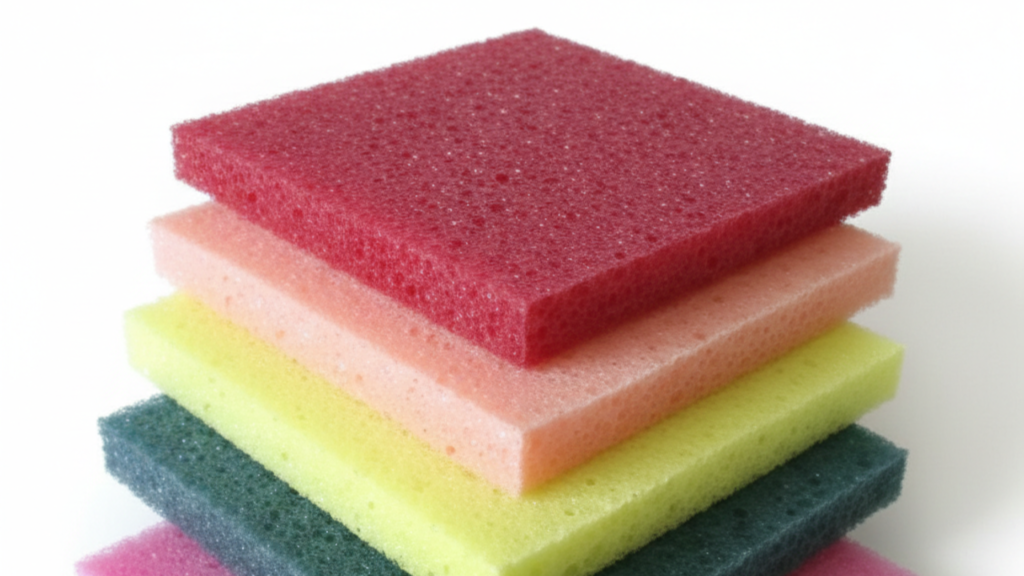
Polyurethane is a polymer material that is highly favored and popular in the contemporary world.
Polyurethane has a vital role to play in the furniture, flooring, and wood finishing industry as well as the insulation industry, the automotive industry including automotive parts and automotive adhesives, coatings, and automotive entrapment parts and industrial parts.
Short answer:
Polyurethane is an engineered polymer, produced as a result of the fusion of polyols with isocyanates, and is a very durable, flexible and versatile substance, which can be tailored to innumerable uses.
Whether you have ever wondered what is polyurethane, what is and is not polyurethane, how it compares to other products such as epoxy, varnish, which kind of polyurethane is the best to use on wood, floors, insulation, or industry, this guide will answer all of these inquiries in detail.
This in-depth article covers:
- Polyurethane meaning and definition
- Polyurethane structure and properties
- Types of polyurethanes (TPU, water-based, oil-based, 2K, foam, resin)
- Polyurethane uses across industries
- Application, drying time, safety, and comparisons
- Recycling, innovations, and future trends
What Is Polyurethane?
Polyurethane is a polymer material of the type that can act either as plastic, rubber, foam, adhesive, or coating; it all depends on the formulation. It is this that makes polyurethanes so special.
Polyurethane Definition
Technically, the polyurethane definition is:
An organic polymer consisting of organic molecules that have been bonded together using urethane (carbamate) bonds, which were generated by means of the reaction of polyols and isocyanates.
Polyurethane is not a single material however in simple terms but a family of materials referred to as polyurethanes each designed with a certain role to play.
What Is Polyurethane Made Of?
Knowledge of the composition of polyurethane would assist in explaining its performance.
Core Raw Materials
- Polyols – Part of the flexibility, softness or rigidity.
- Isocyanates – Enable strength, chemical resistance, and bonding
- Additives – Catalysts, surfactants, flame retardants, pigments
Polyurethane Structure
Polyurethane structure is anchored on urethane connections created during the process of polymerization. Depending on formulation:
- Linear chains → thermoplastic polyurethane
- Cross-linked chains → rigid foams, coatings, adhesives
This molecular structure enables the polyurethane material to be superior to most of the traditional plastics.
Properties of Polyurethanes
The polyurethanes are appreciated with a combination of physical, chemical and mechanical properties.
Key Properties of Polyurethane Material
- High abrasion resistance
- Excellent flexibility and elasticity
- Strong load-bearing capacity
- Resistance to chemicals, oils, and solvents
- Weather and UV resistance
- Waterproof nature
- Long service life
Due to these characteristics, polyurethane plastic has found applications in light weight consumer goods as well as heavy industrial applications.
Advantages of Polyurethane
Why do manufacturers prefer polyurethane over other materials?
Major Advantages
- Customizable hardness and flexibility
- Works as foam, coating, adhesive, or solid plastic
- Strong bonding ability
- Energy-efficient insulation properties
- Durable in extreme environments
- Suitable for indoor and outdoor use
Polyurethanes offer a better performance to lifespan than conventional plastics.
Types of Polyurethane (Complete Classification)
Polyurethane exists in multiple forms, each designed for specific needs.
Thermoplastic Polyurethane (TPU)
Thermoplastic polyurethane (TPU) is a flexible, melt-processable material known for elasticity and strength.
Key Features of TPU
- Recyclable and reprocessable
- High tear and abrasion resistance
- Excellent flexibility
Industrial Uses of TPU
The typical applications of thermoplastic polyurethane material are:
- Thermoplastic polyurethane filament for 3D printing
- Thermoplastic polyurethane tubes and hoses
- Thermoplastic polyurethane fabric coatings
- Footwear soles, cables, seals
Water Based Polyurethane
Polyurethane which is based on water is also extensively used in interior applications.
Benefits
- Low VOC emissions
- Fast drying time
- Clear, non-yellowing finish
- Easy cleanup
It is normally used in furniture, cabinets, and in-house flooring.
Oil Based Polyurethane
Polyurethane made of oil is the richest and more durable finish.
Advantages
- Deep amber tone
- Excellent scratch resistance
- Longer lifespan
The negative side is more time of drying and more VOC content.
2 Part Polyurethane / 2K Polyurethane
Polyurethane in form of 2 part polyurethane (also called 2K polyurethane) is made of a resin and a hardener.
Applications
- Industrial floor coatings
- Automotive paints
- Heavy-duty protective coatings
This system provides superior chemical and mechanical resistance.
Polyurethane Dispersion & Polyurethane Resin
- Polyurethane dispersion is water based and environmentally friendly.
- Polyurethane resin finds application in coating, adhesive and composite.
They both find extensive application in industrial manufacturing and protective finishes.
Polyurethane Foam: Types & Applications
What Is Polyurethane Foam?
Polyurethane foam is created by introducing gas bubbles during polymerization, resulting in lightweight yet strong material.
Types of Polyurethane Foam
Rigid Polyurethane Foam
- High compressive strength
- Used in insulation panels and construction
Flexible Polyurethane Foam
- Soft and elastic
- Furniture, mattresses, seating
Expanding Polyurethane Foam
- Fills gaps and cracks
- Construction and sealing
High Density Polyurethane Foam
- Structural applications
- Automotive and industrial parts
Closed Cell Polyurethane Foam
- Waterproof
- Excellent thermal insulation
Open Cell Polyurethane Foam
- Sound absorption
- Lightweight insulation
Polyurethane Foam Insulation
Polyurethane foam insulation is among the most efficient insulation materials available.
Spray Polyurethane Foam
Spray polyurethane foam and polyurethane foam spray are used for:
- Roof insulation
- Wall cavities
- Cold storage units
Benefits include energy savings, moisture resistance, and air sealing.
Polyurethane Foam Sheets
Polyurethane foam sheets are used in:
- Packaging
- Shock absorption
- Industrial cushioning
Polyurethane Uses Across Industries
Polyurethane uses span nearly every sector:
- Construction & infrastructure
- Automotive & transportation
- Furniture & bedding
- Electrical & electronics
- Medical devices
- Packaging solutions
Polyurethane for Wood & Furniture
Polyurethane for Wood
Wood polyurethane is a paint that coats wood to prevent moisture and scratches, wear among others.
Polyurethane Wood Finish & Sealer
- Wood finish is polyurethane, which increases longevity.
- Polyurethane sealer of wood helps to prevent water penetration.
Polyurethane Coatings & Varnishes
Furniture and cabinet are coated with polyurethane, polyurethane varnish and clear polyurethane.
Finish Types
- Matte polyurethane – subtle look
- Satin polyurethane – soft sheen
- Gloss polyurethane – high shine
Polyurethane for Floors
Polyurethane floor and hardwood floor polyurethane are used in residential and commercial areas because of durability.
How to Apply Polyurethane (Step-by-Step)
How to Apply Polyurethane Properly
- Clean and sand surface
- Remove dust
- Apply thin coats using brush, roller, or spray
How to Apply Polyurethane to Wood
Polyurethane should be applied by using the following method:
- Sand wood surface
- Apply first coat
- Let dry
- Light sanding
- Apply additional coats
Number of Coats & Sanding
- How many coats of polyurethane?
Usually 2–3 coats - Sanding between coats of polyurethane improves adhesion and smoothness
Drying Time, Curing & Safety
Polyurethane Dry Time
- How long does polyurethane take to dry?
4–24 hours depending on type - How long for polyurethane to dry completely?
Up to 72 hours
Curing Time
- How long to cure polyurethane?
7–30 days for full hardness
Safety & Health Concerns
- Is polyurethane toxic?
Liquid form can emit fumes; cured polyurethane is generally safe - Is polyurethane waterproof?
Yes - Is polyurethane food safe?
Only certified food-safe formulations
Polyurethane Adhesives, Sealants & Coatings
Polyurethane Adhesive & Glue
- Polyurethane adhesive
- Polyurethane glue
- Polyurethane construction adhesive
Used for strong, flexible bonding.
Sealants & Caulks
- Polyurethane sealant
- Polyurethane caulk
Ideal for expansion joints and waterproof sealing.
Waterproof & Concrete Coatings
- Polyurethane waterproof coating
- Polyurethane concrete sealer
- Polyurethane floor coating
Used in industrial floors, basements, and parking decks.
Polyurethane vs Other Materials (Comparison)
Oil vs Water Based Polyurethane
- Oil based: durable, amber tone
- Water based: clear, fast drying
Polyurethane vs Epoxy
- Polyurethane: flexible, UV resistant
- Epoxy: rigid, chemical resistant
Polyurethane vs Lacquer & Varnish
- Polyurethane lasts longer
- Lacquer dries faster
- Varnish is traditional but less durable
Polycrylic vs Polyurethane
- Polycrylic is water-based acrylic
- Polyurethane offers better durability
Urethane vs Polyurethane
- Urethane is a term often used interchangeably
- Polyurethane is the correct technical term
Popular Polyurethane Brands
- Minwax polyurethane
- Minwax water based polyurethane
- Varathane polyurethane
- Bona polyurethane
- Behr polyurethane
- Sherwin Williams polyurethane
Each brand offers solutions for wood, floors, and industrial coatings.
Industrial Polyurethane Products
- Polyurethane pipe
- Polyurethane tubing
- Polyurethane sheets
Used in mining, oil & gas, chemical handling, and manufacturing.
Polyurethane Innovations & Future Trends
- Bio-based polyurethane
- Low-VOC formulations
- High-performance TPU
- Sustainable coatings and foams
Recycling and Reuse of Polyurethane
Challenges
- Cross-linked structures
Recycling Methods
- Mechanical recycling
- Chemical recycling
- Insulation and construction reuse.
Sustainable development of polyurethane is an increased concern.
Conclusion: Why Polyurethane Is a Future-Ready Material
Polyurethane is a very flexible material that has been developed.
It is the most versatile, durable, and high performance product that still reigns in construction and furniture as well as automotive and high-level manufacturing sectors.
You can be selecting a polyurethane wood finish, a polyurethane foam insulation, a TPU material or industrial polyurethane coating but you need to be aware of its characteristics.