

Polypropylene Uses: Properties, Applications, and Everyday Products
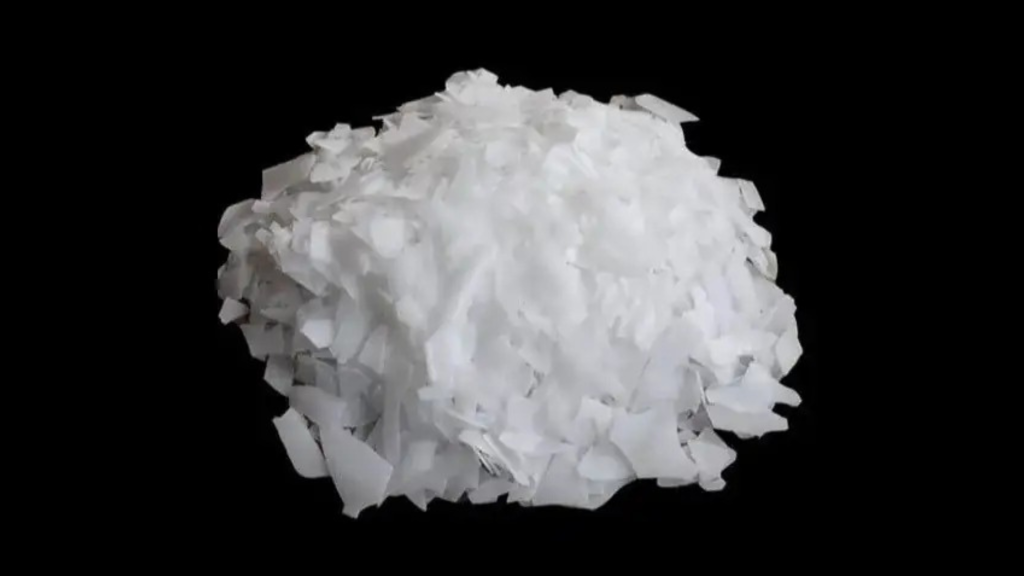
Polypropylene is a type of plastic that is in the widest use of the world. This all-purpose polymer is essential in current day production and in daily items such as automotive components and medical devices, with food containers and wrapping material being the most significant.
Due to its chemical resistance, light weight and its ability to resist damages, polypropylene has been a favorite material in most industries.
Knowledge of polypropylene applications can guide companies, producers and end users of products to understand the popularity of this plastic.
Polypropylene commonly referred to as PP plastic is characterized by good strength, high flexibility and affordability.
It is often applied in producing a wide variety of products that include but are not limited to packaging material, cloth, rope, plastic container and medical supplies.
This guide will admit polypropylene and its structure, properties and most common usage of polypropylene in different industries.
Interested in our products or need more information?
Inquire Now!What Is Polypropylene?
Polypropylene is a thermoplastic polymer, also composed of polyolefins of plastics. It is produced through the process of polymerization of propylene monomers.
The reason why the material is widely applied is due to its lightness, strength and the fact that the material is resistant to most of the chemicals and environmental conditions.
Polypropylene is the full form of PP material. It is commonly used in manufacturing and industrial industries as PP plastic.
Polypropylene plastic is widely utilized due to the fact that it has a number of advantages over other forms of plastic e.g. polyethylene or polystyrene.
Key facts about polypropylene material
- It is a polymer of thermoplastic.
- It is easy to shape it into various forms.
- It is moisture and chemical resistant.
- It has a high resistance to fatigue.
- It is comparatively cheap to manufacture.
Due to these properties, polypropylene material is applied in the packaging industry as well as construction and health care industries.
Interested in our products or need more information?
Inquire Now!Polypropylene Structure and Chemical Formula
In order to explain the numerous polypropylene applications, one should refer to its molecular structure.
Polypropylene is a product of polymerization of propylene (C3H6) molecules.
The repeating units are structural in the form of long polymeric chains which render the material its strength and flexibility.
Polypropylene chemical formula
The overall equation of polypropylene is:
(C3H6)n
This implies that the propylene units are repeated thousand times to create the polymer.
Types of polypropylene structure
There are three main structural forms of polypropylene:
Isotactic polypropylene
This is the most widespread type of manufacturing. The side groups of the polymer chain are facing the same direction and this renders the material tough as well as highly crystalline.
Syndiotactic polypropylene
In this structure, the methyl groups cross sides along the polymer chain. This provides somewhat variations in physical properties.
Atactic polypropylene
This structure has a random arrangement of methyl groups. It is also not as crystalline and soft as isotactic polypropylene.
Polypropylene is highly sensitive to its structure as it determines its mechanical strength, flexibility and heat resistance.
Properties of Polypropylene
Polypropylene has several properties that are the primary cause of its high application in numerous uses. The combination of strength, flexibility and chemical resistance is made in the material.
Mechanical properties
Polypropylene offers excellent mechanical performance.
Key characteristics include:
- High tensile strength
- Good impact resistance
- Excellent fatigue resistance
- Flexibility without breaking
Such mechanical properties render polypropylene the best in the products that demand durability.
Chemical properties
Polypropylene is resistant to most of the chemicals such as:
- Acids
- Alkalis
- Organic solvents
Due to this resistance to chemicals polypropylene finds extensive use in chemical containers and laboratory equipment.
Thermal properties
Polypropylene also performs well under moderate temperatures.
Significant thermal characteristics are:
- Melting point around 160–170°C
- Good heat resistance
- Normal operating temperature stability.
Such properties enable polypropylene to be employed in other applications such as microwave containers, hot liquid packaging and so on.
Interested in our products or need more information?
Inquire Now!Main Polypropylene Uses
Polypropylene is one of the most versatile types of plastic since it has a wide variety of uses. It is used in the production, wrapping, medicine, agriculture as well as in many other sectors.
The polypropylene applications are most commonly used in:
- Packaging materials
- Automotive components
- Household items
- Medical equipment
- Textile fibers
- Construction materials
Due to the lightness and strength of polypropylene, some products that require heavier materials such as metal and glass could be substituted with polypropylene.
Polypropylene Uses in Everyday Life
A lot of items that are in use on a daily basis are manufactured using polypropylene.
Food containers
Polypropylene plastic is commonly employed to produce food storage containers, yogurt cups and takeaway boxes. The material is food contact safe and can be exposed to moderate heat.
Plastic chairs and furniture
Polypropylene is commonly used in manufacturing outdoor plastic furniture due to the fact that it is light and weather resistant.
Reusable water bottles
Polypropylene is used in making some reusable bottles and kitchen products since it is not easily moistened.
Storage boxes
Polypropylene is a strong and flexible material mostly used in household storage containers.
Toys
Polypropylene material is a very safe and durable material used in the production of many plastic toys.
Carpets and rugs
The polypropylene fibers are usually fitted in carpets and rugs and mostly outdoors.
These illustrations demonstrate the fact that the applications of polypropylene in human life are spread in numerous household products.
Polypropylene Uses in Industry
Polypropylene is much needed in industries due to its performance and cost.
Packaging industry
The packaging products commonly used are:
Common packaging products include:
- Plastic containers
- Food packaging films
- Bottle caps
- Flexible packaging
Polypropylene wrappings are easy to use since they offer security to products and are lightweight.
Automotive industry
Polypropylene is also applied in vehicles to help manufacture a lighter vehicle and enhance the fuel mileage.
Automotive components of polypropylene used include:
- Car bumpers
- Battery cases
- Interior trim panels
- Dashboard components
The impact resistance and toughness of the material makes it applicable in automobile work.
Textile industry
Polypropylene fabrics are very popular in fabrics.
Products include:
- Carpets
- Ropes
- Industrial fabrics
- Geotextiles
These are lightweight, moisture resistant and durable fibers.
Interested in our products or need more information?
Inquire Now!Polypropylene Uses in Medicine
Polypropylene is a useful substance in the medical industry since it is non harmful, sterile and resistant to chemicals.
Surgical sutures
Polypropylene sutures are usually applied in surgery as they are rather strong and non-reactive.
Medical syringes
Polypropylene forms a good material of many disposable syringes because of its strength and clarity.
Medical containers
Sample containers, pill bottles and laboratory equipment are made using polypropylene.
Surgical mesh
Polyphenylene nets are also applicable in surgeries like hernia repairs.
Due to its dependability, the use of polypropylene in healthcare is still increasing in contemporary medicine.
Polypropylene Uses in Construction
Polypropylene is applied in the construction industry in a number of ways.
Examples include:
- Pipes and plumbing systems
- Insulation materials
- Waterproof membranes
- Fiber reinforcement in concrete
Polypropylene fibers can be used to increase the strength and longevity of the structures of concrete.
With these advantages, there are increasing demands of polypropylene in construction in the global world.
Polypropylene Uses in Agriculture
Polypropylene products are also used in agriculture.
Examples include:
- Irrigation pipes
- Fertilizer bags
- Crop protection covers
- Agricultural ropes
The fact that the material is resistant to moisture and chemicals makes it most suitable in the outdoor farm works.
Polypropylene Products
Polypropylene is used in the production of many commercial products.
Commodity polypropylene products are:
- Ropes
- Plastic sheets
- Storage containers
- Packaging films
- Plastic crates
- Tubes and pipes
- Electrical capacitors
These products highlight how polypropylene can be molded or processed into different forms.
Interested in our products or need more information?
Inquire Now!Is Polypropylene Safe?
A common question people ask is whether polypropylene is safe to use.
In general, polypropylene is considered one of the safer plastics available.
Food safety
Polypropylene is widely employed to package food and other food packaging materials due to its non-easy passing of chemicals which are detrimental.
BPA-free plastic
Polypropylene is also suitable in the storage of food as opposed to other plastics that contain BPA.
Recyclability
Polypropylene can be recycled, but recycling is a variable that is different with local facilities.
Environmental considerations
Polypropylene as any other plastics should be properly disposed to prevent degradation of the environment.
In general, polypropylene is safe in the case of approved use.
Polypropylene vs Polystyrene
Both polypropylene and polystyrene are plastics that are similar but they differ in their characteristics and applications.
| Feature | Polypropylene | Polystyrene |
| Strength | High | Moderate |
| Flexibility | Flexible | Brittle |
| Heat resistance | Good | Low |
| Safety | Food-safe | Limited food use |
| Recyclability | Recyclable | Limited recycling |
Because of its flexibility and durability, polypropylene is often preferred in many applications.
Advantages and Disadvantages of Polypropylene
Advantages
Polypropylene is very advantageous:
- Lightweight material
- High chemical resistance
- Good flexibility
- Durable and strong
- Affordable manufacturing cost
With such benefits, polypropylene is among the most popular plastics in the world.
Disadvantages
Polypropylene has a few limitations despite the following advantages:
- Sensitive to UV light
- Can degrade under prolonged sunlight
- Limited high-temperature resistance
Manufacturers often add stabilizers to improve these properties.
Interested in our products or need more information?
Inquire Now!Frequently Asked Questions
What is polypropylene used for?
The packaging materials, plastic containers, automotive parts, textiles, ropes and medical equipment are manufactured using polypropylene.
What is polypropylene plastic used for?
Polypropylene plastic finds application in food packaging, household, medical equipment, construction materials and industries.
How is polypropylene commonly used?
It is generally employed in packaging, plastic furniture, car parts, carpets, rope, as well as reusable containers.
What is polypropylene glycol used for?
Polypropylene glycol is commonly used in cosmetics, pharmaceuticals, and industrial lubricants.
Are polypropylene rugs good for outdoor use?
Yes. Polypropylene rugs are suitable for outdoor use because they are moisture-resistant, durable, and easy to clean.
Conclusion
Polypropylene is one of the most versatile and widely used plastics in the modern world.
It is very strong, flexible, chemical resistant and quite inexpensive; hence its combination with these qualities renders it applicable in a large variety of practice.
The list of polypropylene applications is ever increasing as food packaging and medical equipment, automotive components, and agricultural products, among others, expand with the creation of new technologies and methods of manufacturing.
Polypropylene is a material that will continue to be a major aspect in design and production of products and manufacturing across the world as the need to have light and strong materials continues to emerge.