

Polyol
Polyols are essential raw materials used in the production of high-performance Polyurethane systems — containing multiple hydroxyl (-OH) groups that react with isocyanates to form durable, flexible, and rigid polyurethane products.
The Backbone of Polyurethane Chemistry
Polyol is an organic compound containing multiple hydroxyl (–OH) functional groups. It acts as a key raw material in the synthesis of polyurethane — one of the most versatile and widely used polymers in the world.
When reacted with isocyanates, polyols form polyurethane chains that can be tailored to create flexible foams, rigid foams, elastomers, adhesives, coatings, and sealants.
Two Powerful Variants
Each type of polyol offers distinct chemistry and performance characteristics designed for specific end-use applications.
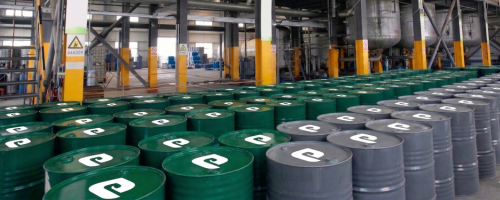
Polyester Polyol
Aliphatic Polyols :- Aliphatic polyester polyols are specialized, flexible polyols designed for high-performance polyurethanes. They offer superior mechanical strength, abrasion resistance, and excellent adhesion, making them ideal for elastomers, flexible coatings, sealants, and adhesive applications.
Aromatic Polyols :- Aromatic polyester polyols are specialized, cost-efficient polyols designed for foam applications, enhancing thermal efficiency, flame retardancy, and mechanical strength.

Polyether Polyol
Polyether polyols are high-molecular-weight compounds containing ether linkages and terminal hydroxyl groups, primarily used as raw materials in polyurethane (PU) production.
Where Polyol Powers Industries
From everyday comfort to industrial high-performance — polyols are at the core of modern manufacturing.
Flexible Foam
Furniture cushions, mattresses, and automotive seating rely on polyether polyol-based flexible foams for comfort and durability.
Rigid Insulation
High-performance thermal insulation panels for construction, refrigeration, and cold-chain logistics.
Coatings & Paints
High-gloss, durable polyurethane coatings for automotive, industrial, and wood finishing applications.
Automotive
Bumpers, dashboards, door panels, and acoustic insulation — polyols shape modern vehicle interiors and exteriors.
Footwear & Elastomers
Shoe soles, wheels, gaskets, and industrial rollers made from cast polyurethane elastomers.
Adhesives & Sealants
Strong, flexible bonding solutions for construction, packaging, lamination, and assembly processes.
Ready to Source Premium Polyol?
Talk to our chemical experts to find the right polyol grade for your process. We offer bulk supply, custom blends, and fast sampling.
Request a Free Sample or Quote
Tell us your application and required specifications — we'll get back within 24 hours.
Polyester vs Polyether — At a Glance
Choose the right polyol chemistry for your specific application needs.
| Properties | Polyester Polyol | Polyether Polyol |
|---|---|---|
| Hydrolytic Stability | Moderate | Excellent |
| Mechanical Strength | Excellent | Good |
| Oil Resistance | Excellent | Good |
| Flexibility | Moderate | Excellent |
| Cost | Cost-Effective | Slightly Higher |
| Primary Use | Coatings, Adhesives, Elastomers | Flexible Foams, Sealants |
Our Quality Promise
Industry Grade
Every batch meets stringent quality standards with complete certificates of analysis.
Lab Tested
In-house QC lab ensures consistent hydroxyl value, viscosity, and moisture content.
Reliable Supply
Pan-India distribution network with on-time delivery commitment for bulk orders.
Technical Support
Expert chemists available to guide formulation, dosage, and process optimization.