

How Long for Polyurethane to Cure? Complete Drying & Curing -Guide
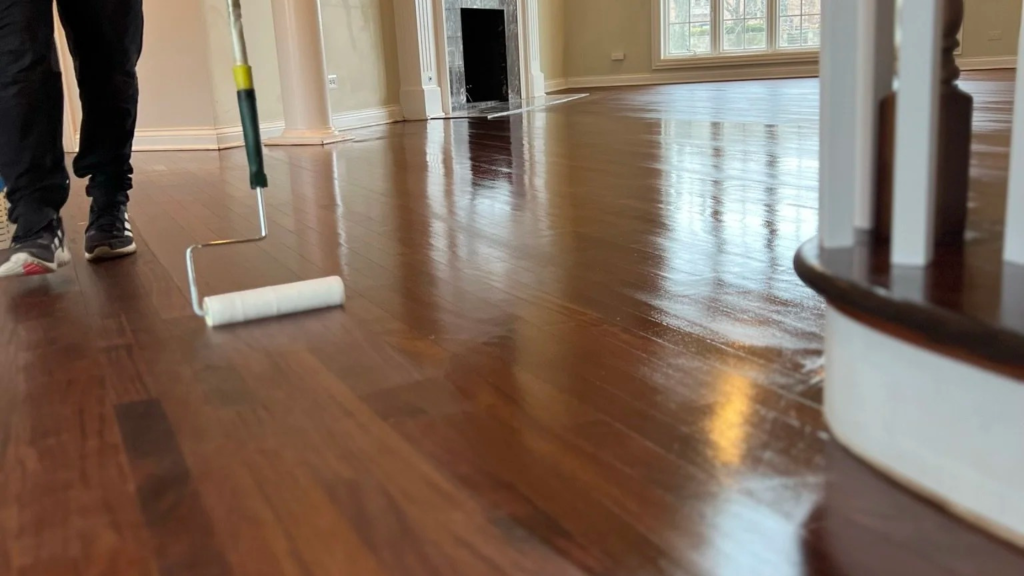
Polyurethane is among the best selling protective coating on wood furniture, floors, tables, and cabinets. It gives a permanent coated finish on surfaces that resist moisture, scratches and wear.
Nonetheless, the question of the time of polyurethane to dry is the most frequently posed question.
Drying time and curing time are different and may be confusing to many people.
If you want to understand polyurethane in detail, including its properties and applications, you can read our detailed guide on Polyurethane Material: Meaning, Properties, Uses, Foam, and Applications.
Polyurethane may be dried within a few hours and it may also take some days or even weeks to be fully cured.
One should never use the surface too soon, as it will erode the finish and decrease its lifespan.
In this manual, we will describe the time required to cure polyurethane, factors that influence the curing time, and the ways in which you can accelerate the process without damaging the material.
Interested in our products or need more information?
Inquire Now!What Does Polyurethane Curing Mean?
An individual needs to comprehend the concept of curing before attaining knowledge of the time it takes polyurethane to cure.
Curing is the process that involves the full hardening of the polyurethane coating and the maximum hardening of the coating.
The process of curing is followed by chemical changes in the finish, which result in greater strength and less vulnerability to damage.
Drying, however, merely refers to the fact that the surface is no longer wet.
Dry Time vs Cure Time
Drying and curing are confused most of the time.
- Dry Time: The finish is dry.
- Recoat Time: The period before any other coat is applied.
- Cure Time: The time taken by the finish to dry.
Although the surface might be dry, there is a chance that the polyurethane beneath is soft. That is why manufacturers suggest waiting some few days prior to heavy use.
How Long for Polyurethane to Cure?
Polyurethane curing time varies with a number of factors such as the nature of the product used and environmental factors.
Overall, polyurethane requires a period of 21 to 30 days to cure.
But the surface is generally brought into use long before that.
To learn more about polyurethane materials and their chemical properties, read our article on Polyurethane: Properties, Production Process, and Industrial Applications.
Average Polyurethane Cure Time
The following is a typical schedule of most polyurethane finishes:
- Touch dry: 4–12 hours
- Recoat time: 12–24 hours
- Light use: 48–72 hours
- Full cure: 21–30 days
The coating is further hardened and strengthened in the drying process.
Interested in our products or need more information?
Inquire Now!Factors That Affect Cure Time
There are various factors that affect the duration of polyurethane before cure is attained.
Temperature
Polyurethane cures faster in warm environments. Ideal temperatures are typically between 65°F and 75°F (18–24°C).
Humidity
Sticky air in the atmosphere slows the drying process since water disrupts the drying process.
Air Circulation
Adequate ventilation is beneficial in making the solvents evaporate sooner giving the coating time to cure.
Thickness of Coats
The use of thick coats can raise the time to cure by a significant margin.
Type of Polyurethane
Polyurethane made on water is more likely to cure faster than oil based ones.
If you want to learn how polyurethane adhesives work in construction and manufacturing, you can read Polyurethane Adhesives: Uses in Construction and Manufacturing.
How Long Does It Take for Polyurethane to Cure on Wood?
Polyurethane may be applied on wood surfaces and the time taken may vary depending on the type of wood and the content of the finish that has been applied.
Usually polyurethane on wood requires light use of approximately 24-72 hours and the full curing process takes up to 30 days.
Table, cabinet, and shelf Wood furniture can also take a long time before it is used intensively.
How Long for Polyurethane to Cure on Table
Tables and countertops are placed into extensive use, and it is significant to provide time to be sure that they are sufficiently cured.
Waiting times recommendations:
- Light use: after 3 days
- Moderate use: after 7 days
- Full protection: after 30 days
It may cause marks or dents on the finish by premature use of the table.
Interested in our products or need more information?
Inquire Now!How Long for Oil Based Polyurethane to Cure?
Polyurethane that is based on oil has also been found to be very durable and to have a rich finish but it generally takes a long time to cure compared to the ones that are based on water.
Oil Based Polyurethane Dry Time
Common drying and curing periods are:
- Touch dry: 6–12 hours
- Recoat: 24 hours
- Light use: 3–7 days
- Full cure: 30 days
Oil-based finishes also take time to cure which results in giving a stronger protective coating but they take time to dry.
How Long for Water Based Polyurethane to Cure?
Water-polyurethane is more popular since it is less odorous, fast drying and environmentally friendly.
Water Based Polyurethane Dry Time
Water-based polyurethane dries very quickly as compared to oil-based products.
Typical timeline:
- Touch dry: 2–4 hours
- Recoat: 4–6 hours
- Light use: 24 hours
- Full cure: 7–14 days
This makes water based polyurethane ideal in the projects that need quick turnaround.
How Long for Polyurethane to Dry Between Coats?
A few coatings of polyurethane are applied to give a pleasant protective covering that is resilient. However, a lot of drying time between the coats should be given.
In most cases, you should wait:
- Polyurethane of oil: 24 hours between coats.
- Polyurethane in water: 4 -6 hours between layers.
It can also be coated prematurely and it can trap solvents and slow up the curing process.
How Long for Polyurethane to Dry Before Sanding?
Separating the coats is more desirable to increase adhesion and give a smooth finish.
Nevertheless, the early sanding might harm the coating.
Recommended waiting times:
- Oil based polyurethane: 24 hours prior to sanding.
- Water-based polyurethane: 6 hours before sanding
Always use fine sandpaper (220–320 grit) when sanding polyurethane.
Interested in our products or need more information?
Inquire Now!How Long for Minwax Polyurethane to Cure?
Minwax is a highly known polyurethane brand that is used in woodworking undertakings.
Minwax Oil Based Polyurethane Cure Time
Typical curing timeline:
- Dry to touch: 6–8 hours
- Recoat: 24 hours
- Light use: 72 hours
- Full cure: 30 days
Minwax Water Based Polyurethane Cure Time
Water-based Minwax takes a shorter time to dry.
Typical timeline:
- Dry to touch: 2 hours
- Recoat: 4 hours
- Light use: 24 hours
- Full cure: 7–14 days
Look at the label at all times since different formulas may require a different time to cure.
How to Cure Polyurethane Faster
Polyurethane curing is a process that takes time but there are various methods of making the process faster without compromising on the safety of polyurethane.
Improve Air Circulation
Proper airflow is meant to evaporate the solvents faster and this increases the drying process as well as curing.
Maintain Proper Temperature
Optimal curing is at 65°F and 75°F.
Apply Thin Coats
Thin coats are also easy to cure and produce a finer finish than thick coats.
Use Water-Based Polyurethane
Oil products fail to cure as quickly as water formula.
Interested in our products or need more information?
Inquire Now!How Long for Polyurethane to Stop Smelling?
Polyurethane has some strong odor when being applied and dried.
The smell tends to fade away inside:
- Oil-based polyurethane: 3–7 days
- Water-based polyurethane: 1–3 days
Odors can be faster eliminated by proper ventilation.
Air can be circulated by opening windows and the use of fans.
If you are concerned about safety and chemical exposure, you can read our detailed guide Is Polyurethane Toxic? Safety, Health Risks, and Everything You Should Know.
How Long Does Polyurethane Last?
Polyurethane finishes can survive a number of years when properly maintained and cured.
Typical lifespan:
- Furniture: 10–20 years
- Hardwood floors: 7–10 years before refinishing
- Cabinets: 10+ years
Polyurethane durability is also influenced by the type of material used, such as polyurethane foam and coatings. You can explore more about it in our Polyurethane Foam Guide.
Life span is determined by usage, maintenance, and more so environmental factors.
Common Mistakes That Slow Polyurethane Curing
A number of typical errors may prolong the curing time period and influence the quality of the finish.
Applying Thick Coats
Solvents are confined in thick layers, which retard the curing process.
Poor Ventilation
Insufficiency of air flow does not allow sufficient evaporation.
High Humidity
Drying and curing are retarded by excess moisture in the air.
Using the Surface Too Early
The finish can be destroyed when heavily used before full curing.
These errors may be avoided to obtain a more powerful and durable polyurethane coating.
Interested in our products or need more information?
Inquire Now!Quick Polyurethane Cure Time Chart
| Polyurethane Type | Dry Time | Recoat Time | Full Cure Time |
| Oil-Based Polyurethane | 6–12 hours | 24 hours | 30 days |
| Water-Based Polyurethane | 2–4 hours | 4–6 hours | 7–14 days |
| Minwax Oil-Based | 6–8 hours | 24 hours | 30 days |
| Minwax Water-Based | 2 hours | 4 hours | 7–14 days |
This table offers a fast guide to the common timelines of curing polyurethane.
Conclusion
This is because to get a strong and durable finish; it is necessary to understand the time of polyurethane drying.
Polyurethane is usually dry in hours although complete curing needs normally between 7 and 30 days, depending on the type of product employed.
Polyurethane which is made of oil tends to require more time to cure but has great strength whereas water-based polyurethane dries faster and leaves less smell.
Ideally, layers should be applied in thin coatings and a good period should be taken between layers whereby good ventilation should be incorporated in the curing process.
Curing patience is the key to a smooth, tough and long lasting polyurethane finish that will last you many years.