
Flexible Intermediate Bulk Container (FIBC)
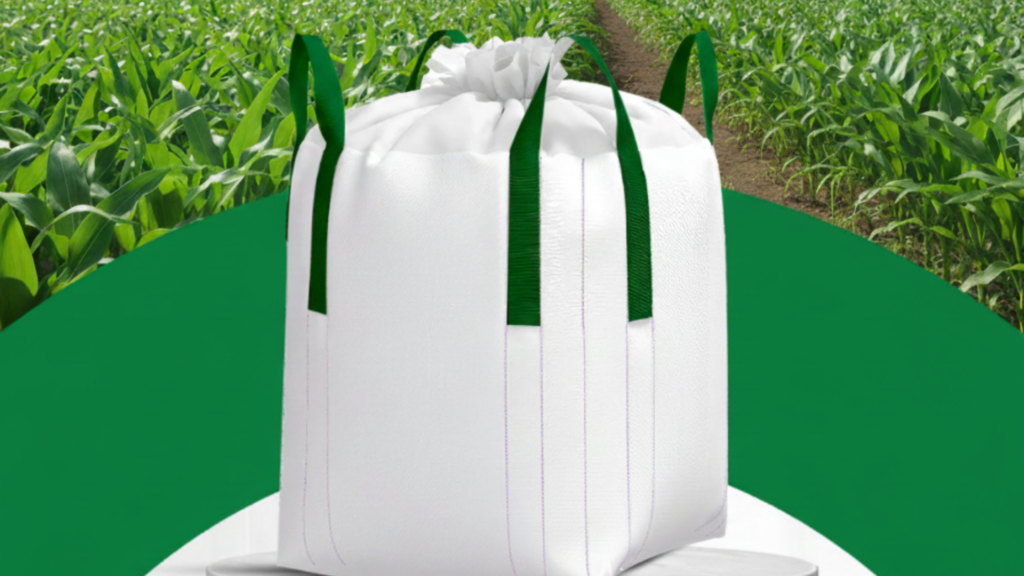
The flexible Intermediate Bulk Containers, also referred to as, FIBCs bulk bags, jumbo bags, flexible intermediate bulk containers, are now the standard worldwide when it comes to transportation and storage of dry and flowable bulk materials.
They are the most preferred in industries in terms of strength, cost-effectiveness and versatility in sectors like agriculture, chemicals, construction, food processing and mining.
This is a full-fledged guide to history, manufacturing, types, applications, benefits, frequently asked questions, and why Pursuit is one of the reputable companies in the proposed solutions of the FIBC.
Flexible Intermediate Bulk Container
History
The introduction of flexible intermediate bulk containers started in the 1940s, and became widely used by industrial application in the 1960s.
FIBCs are woven polypropylene based and thus soon substituted the traditional methods of packaging, such as drums, paper sacks, and rigid IBCs, because of the lightweight, strong, and malleable design.
Manufacturing
The production of modern FIBC is very accurate to provide the product with strength, safety and that it meets international standards.
Raw Material
Woven polypropylene (PP) is mostly used as the material of FIBCs. Good quality PP granules are melted and extrusion is done to create flat tapes.
Tape Extrusion
Polypropylene resin is melted and drawn into tapes and wrapped around bobbins. These are tapes that constitute the main framework of the bulk container.
Weaving
The tapes are woven by the circular or flat weaving machines in order to produce powerful and thick fabric that will sustain weight up to 500 kg to 2000+ kg.
Lamination (if applicable)
Certain flexible intermediate bulk containers are laminated against moisture in order to protect fine powders, chemicals and hygroscopic items – these are frequently used in the storage of hygroscopics.
Cutting and Printing
The branding, safety and handling instructions and the woven fabric are printed to the size.
Sewing and Assembly
Stitched patterns, panels, loops, filling spouts and discharge spouts, make up the entire bag of the FIBC.
Quality Control and Testing
Each FIBC undergoes:
- Load testing
- Drop testing
- UV resistance testing
- Safety factor testing (5:1 or 6:1)
- Anti-static performance testing (for Type B, C, and D FIBCs)
For a full overview of bulk packaging, you can also read our Ultimate Guide to FIBC Bags: Types, Uses, Benefits & Specifications.
What are flexible intermediate bulk containers?
A flexible intermediate bulk container is an industrial bulk bag that is comprised of woven polypropylene, which is used to hold and transport dry, flowable substances such as grains, powders, sand, chemicals, and minerals.
These bags have the capacity to hold a thousand times their weight hence being very efficient.
To know FIBC meaning and full form, check our dedicated guide: FIBC Full Form: Flexible Intermediate Bulk Container (Meaning, Types & Uses Explained).
What is the difference between IBC and FIBC?
| Feature | IBC (Rigid) | FIBC (Flexible) |
|---|---|---|
| Structure | Hard plastic or metal | Flexible woven polypropylene |
| Weight | Heavy | Lightweight |
| Storage | Requires more space | Collapsible & compact |
| Cost | High | Cost-effective |
| Applications | Liquids & chemicals | Dry bulk products |
What is an intermediate bulk container?
An intermediate bulk container (IBC) is a container with large capacity that is used to store or transport bulk material. These containers are of the flexible type, which are known as FIBEs.
What are the different types of FIBC bags?
FIBCs come in several structural variations:
- U-panel bags
- Circular bags
- 4-panel bags
- Baffled bags
- Single-loop & double-loop bags
Materials Used in FIBCs
- Polypropylene fabric
- Conductive threads (for Type C FIBCs)
- PE liners (for powders or food-grade material)
- UV-stabilizing additives
Types of FIBCs
Below are the industry-standard types:
Here are some common types of FIBCs:
- Type A FIBC
- Type B FIBC
- Type C (Conductive) FIBC
- Type D (Antistatic) FIBC
Flexible intermediate bulk container types
01. Type A flexible intermediate bulk containers (no electrostatic protection)
Primary Uses for Type A FIBCs:
- Sand
- Gravel
- Non-flammable materials
Do NOT use for:
- Flammable powders
- Combustible atmospheres
02. Type B FIBC bulk container bag (Surface breakdown voltage < 6 kV)
Primary Uses of Type B FIBCs:
- Dry, flammable powders
- Materials that don’t release high levels of static
Do NOT use for:
- Environments containing flammable gases
03. Type C flexible intermediate bulk container (Grounded & electrically conductive)
Type C conductive FIBCs main uses:
- Solvents
- Chemicals
- Explosive environments
Do NOT use for:
- Situations where grounding cannot be guaranteed
04. Type D bulk container bags (CROHMIQ static dissipative or antistatic)
Type D antistatic FIBCs uses:
- Highly combustible powders
- Locations where grounding is impractical
We have covered each bag type in detail here: Types of FIBC Bags: Complete Guide to FIBC Bag Types, Uses & Specifications.
Flexible Intermediate Bulk Containers Manufacturers
Pursuit Industries, one of India’s trusted and professionally recognized FIBC manufacturers, brings years of real production experience, advanced polypropylene processing systems, and globally compliant quality standards.
With expertise across Type A, B, C, and D bulk bags, Pursuit ensures consistent strength, safety, and customization for industries like chemicals, agriculture, construction, food processing, and mining.
Our ISO-certified manufacturing environment, rigorous testing, and customer-focused approach make Pursuit a reliable partner for high-performance Flexible Intermediate Bulk Containers.
If you want to explore the entire manufacturing process of jumbo bags, check our article: Jumbo Bags (FIBC Bags): Complete Guide, Types, Sizes & Manufacturing.
Benefits of using Pursuit as FIBC manufacturers
- Strict material quality control
- Advanced manufacturing environment
- Food-grade and pharmaceutical compliance
- Ability to customize bulk containers
- Global supply capability
- High durability and strength
For food-safe packaging solutions, refer to our guide: Food-Grade FIBC Manufacturers in India — Complete Guide.
Why Choose Pursuit As Your FIBC Bags Manufacturer?
Pursuit provides highly competitive and sustainable global compliant, flexible solutions to intermediate bulk container, which can be customized and environmentally friendly and sustainable to all industries.
How do flexible intermediate bulk containers compare to other solutions?
Replacing Paper Containers
FIBCs carry tons of product, replacing thousands of paper bags.
Replacing Plastic Carrying Containers
Lighter, safer, and eco-friendly.
Enhancing Shipping Containers
FIBCs maximize container space and reduce product handling.
Replacing or Enhancing Hoppers
Ideal for powders and granules.
Replacing or Enhancing Liquid Loaders
With liners, FIBCs can safely hold liquids.
Replacing or Enhancing Liquid Containers
Reduces cost and improves efficiency.
What Are the 5 Most Common Types of FIBC Bags?
Understanding FIBC Types
Different materials require different construction. The top 5 types include:
Top 5 Different Types of FIBC Bags
1. U-Panel Bulk Bags
Three-panel design with high strength.
2. Circular Bulk Bags
Seamless tubular body — excellent shape retention.
3. 4-Panel Bulk Bags
Offers maximum stability.
4. Baffled Bulk Bags
Perfect for space-saving & shape retention.
5. Single Loop and Double Loop Bags
Used in agriculture and fertilizer industries.
Other Considerations When Choosing a Flexible Bulk Container Type
Top Style
Open top, duffle top, spout top.
Coated vs Uncoated
Coated: prevents moisture.
Uncoated: breathable for agricultural use.
Lift Loops
Single-loop, double-loop, 4-loop.
Static Protection
Choose Type A, B, C, or D based on industry safety needs.
Which Type of Bulk Bag Is Right for You?
Depends on:
- Material type
- Safety requirements
- Industry
- Handling environment
Industry-Specific FIBC Bulk Bag Use Cases
Benefits of Pursuit’s FIBC Containers
1. Superior Durability and Strength
Engineered with high-tensile PP fabric.
2. Compliance with Strict Standards
ISO, FSSC, and food-grade certifications.
Every bag is produced under ISO management systems, FSSC food-safety frameworks, and verified food-grade certifications, ensuring reliability for sensitive industries.
3. An Eco-Friendly Solution
Reusable, recyclable, and reduces packaging waste.
4. Versatility Across Different Applications
Suitable for dry, powdered, granular, and semi-flowable products.
Applications in Various Industries
1. Chemical Industry
Static-protected FIBCs for safe handling.
2. Construction
Cement, sand, aggregate transport.
3. Agriculture
Seeds, grains, fertilizers.
4. Food Industry
Food-grade bulk bags with liners.
5. Mining
Ore, minerals, and metal powders.
For detailed industry applications and FIBC solutions, read: Leading FIBC Bags Manufacturer in India — High-Quality Bulk Packaging Solutions.
How to Select the Right Pursuit FIBC Container for Your Industry
- Identify material behavior
- Check for static hazards
- Decide on loop and top/bottom styles
- Confirm environmental requirements
Benefits of FIBC :
Cost-Effective Transportation and Storage
Carries up to 2 tons at minimal cost.
Space Efficiency
Collapsible and stackable.
Customizable
Available in multiple sizes, coatings, and loop styles.
Environmentally Friendly
Reusable and recyclable.
Improved Safety
Reduces manual handling.
Versatility
Suitable for countless applications.
Ease of Handling
Forklift and crane-friendly.
Protection from Contamination
PE liners ensure hygiene.
Global Compliance
Meets ISO, UN, and industry standards.
Reduced Packaging Waste
Less disposal compared to sacks or boxes.
Frequently Asked Questions
1. What is a Flexible Intermediate Bulk Container (FIBC)?
A Flexible Intermediate Bulk Container (FIBC) is a large, woven polypropylene bag designed for storing and transporting dry, flowable bulk materials such as grains, sand, fertilizers, chemicals, powders, and construction materials. It is also known as a bulk bag, jumbo bag, or super sack.
2. What is an Intermediate Bulk Container (IBC)?
An Intermediate Bulk Container (IBC) is a rigid, reusable industrial container used for transporting liquids, semi-liquids, chemicals, oils, and other fluid-based materials. Most IBCs are made from HDPE plastic with a protective steel cage.
3. What is the difference between FIBC and IBC?
The principal distinction is the content and use:
- FIBC Flexible, woven polypropylene bag of dry material.
- IBC Rigid tank-like containers are containers of liquids and fluid materials.
FIBCs are able to fold when empty whereas IBCs do not.
4. What are the common sizes of FIBC bags?
FIBC bags are available in large sizes which are custom made, though most common dimensions are:
- 90 × 90 × 110 cm
- 95 × 95 × 125 cm
- 100 × 100 × 120 cm
Capacity ranges from 500 kg to 2000 kg, depending on the bag type.
5. What are the standard sizes of Intermediate Bulk Containers (IBC)?
Common IBC tank sizes are:
- 1040 liters (275 gallons)
- 1250 liters (330 gallons)
They are very commonly applied in the field of chemicals, food and industries.
6. What materials are FIBC bags made of?
FIBC bags are made from woven polypropylene (PP) fabric.
They may consist of:
- Coating (lamination)
- Filling/discharge spouts
- Baffles
- Electrostatic protection (Type C / Type D)
7. What industries use FIBC bags?
FIBCs are commonly used in:
- Agriculture
- Chemicals
- Construction
- Food processing
- Mining
- Pharmaceuticals
- Fertilizers
- Plastic resins & powders
8. Are FIBC bags reusable?
Yes, it is possible to use some of the FIBC bags again, however, they should be:
- Multi-purpose (Multi-trip FIBC) certified.
- Handled properly
- Inspected for damage
- Cleaned as per standards
FIBs that have been used single time (one trip) are not reusable.
9. What are the different types of FIBC bags?
Common types include:
- U-panel bags
- Circular bags
- Baffle bags (Q bags)
- Ventilated bags
- Conductive Type C bags
- Anti-static Type D bags
Every type is specific to industries.
10. How much weight can an FIBC bag carry?
FIBC bags normally have 500kg to 2000kg according to:
- Bag design
- Fabric strength
- Safety factor (SF 5:1 or 6:1)
11. Can FIBC bags be customized?
Yes, they can be customized for:
- Size
- Fabric strength
- Liner type
- Printing
- Spouts (filling & discharge)
- Colors
- Baffles or conductive properties Special features
12. Why are FIBC bags preferred in industries?
Because they offer:
- High strength
- Lower cost
- Easy handling
- Lightweight and foldable structure
- Customization
- Safe bulk material storage
They also minimize the wastes of packaging, and storage space.
13. What is the lifespan of an FIBC bag?
An average one-time-use FIBC remains in service one cycle of handling, whereas reusable bags can be used in several trips, again, depending on maintenance and environmental factors.
14. Are FIBC bags safe for food products?
Yes–There are Food-grade FIBC bags.
They are manufactured in clean-room plants, according to:
- GMP (Good Manufacturing Practices)
- HACCP guidelines
- ISO 22000 standards
15. What certifications are important for FIBC manufacturers?
Common certifications include:
- ISO 9001 (Quality Management)
- ISO 22000 / FSSC 22000 (Food Safety)
- UN Certification for hazardous goods