
Polyurethane: Complete Guide to Uses, Foam, Coatings, Sealants & Applications
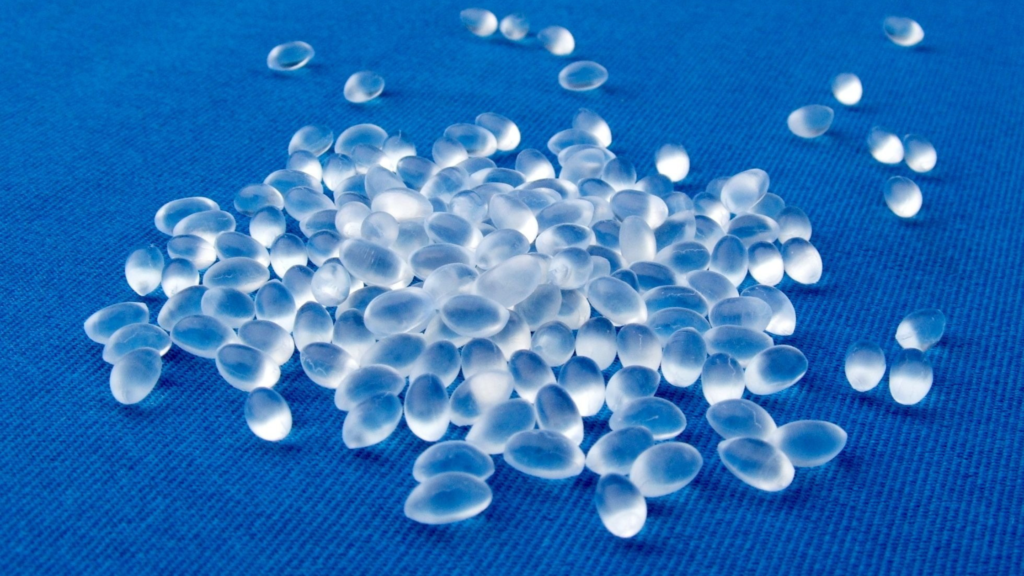
Polyurethane is among the most diverse polymers that have ever been invented. It may be produced in the form of foams, coating, adhesives, elastomers, sealants, etc. and hence is an essential in many industries all over the world.
Polyurethane has found its way into the contemporary manufacturing and construction industry as a cornerstone material and can be used in furniture cushions, insulation panels, automotive parts, and protective finishes.
What is Polyurethane?
Polyurethane Definition
Polyurethane (also known as PU or PUR) is an urethane (carbamate) -linked organic polymer chain of long chains of polymers.
These polymers are produced by a chemical reaction of polyols and isocyanates normally in the presence of catalysts and additives.
If you want a detailed technical explanation, you can read our complete guide on What is Polyurethane where we explain its chemistry and industrial importance in depth.
Composition of Polyurethane
Polyols
The polymer is made up of polyols which forms the backbone of a flexible or rigid polymer. The choice they make dictates their softness, elastics, or stiffness of the PU material.
Isocyanates
The reaction of isocyanates and polyols results in the polymer chain. Durability and chemical resistance is conditioned by the type and ratio of isocyanate.
Additives
Processing behavior, foam structure and ultimate performance are regulated by other compounds like catalysts, blowing agents, stabilizers, flame retardants and surfactants.
Polymer Structure
The molecular structure of polyurethane demonstrates the influence of the linear or crosslinked bonds of the material on its behavior.
- Elasticity of flexible PU has fewer crosslinking chains.
- Rigid PU possesses a high value of crosslink density- it generates hardness and insulating properties.
- Unlike most thermoset PU products, thermoplastic PU may be melted and reshaped.
Why Industries Use Polyurethane
- Durability and wear resistance.
- Popular lightweight and powerful structure.
- Chemical and thermal resistance.
- Processability and Flexible design.
- Large variety of hardness and densities.
- Energy-efficient insulation
The characteristics render it suitable to use where the stress and long-life performances are required.
To understand the Polyurethane meaning and properties , including durability, flexibility, and insulation capabilities, check our dedicated resource page.
Types of Polyurethane
Flexible Polyurethane
Used for: furniture cushions, mattresses, automotive seating, upholstery, packaging materials. Flexible foam is comfortable yet resilient.
Rigid Polyurethane
Used for: insulation panels, refrigeration units, protective structural components. Rigid PU will also bring in good thermal insulation and structural support.
Thermoplastic Polyurethane
TPU is a rubber, abrasion-resistant elastomer that is found in shoes, cables, films, safety gears, and large quantities of molded components.
Water-Based Polyurethane
Environmentally friendly coating and wood finishes are based on waterborne PU dispersions that have low amounts of VOCs and at the same time provide performance.
Polyester vs Polyether Polyurethane
| Feature | Polyester PU | Polyether PU |
|---|---|---|
| Moisture resistance | Moderate | Excellent |
| Flexibility | High | High |
| Hydrolysis resistance | Lower | Higher |
| Cost | Usually lower | Typically higher |
Polyurethane Foam
What is Polyurethane Foam?
Polyurethane foam is a lightweight cellular material formed as a result of chemical reaction that infuses the polymer structure with gas.
Depending on formulation, it is of either an open cell (flexible) or a closed cell (rigid).
Flexible Foam
Use Cases: furniture seating, automotive seats, carpet underlay, packaging cushioning.
Comfort, shock absorption and adaptability are known.
Rigid Foam
Applications: insulating of a building, HVAC panel, refrigerator.
Unparalleled thermal resistance and service life.
Spray Polyurethane Foam
This type forms to seal the cavities, insulate and also seal the gaps in roofs, walls and joints. It improves energy efficiency and structural performance.
Polyurethane Coatings and Paints
What is Polyurethane Coating?
PU coating is a protective coating that is put on surfaces to enhance their resistance to wear, corrosion, glossiness and the permanence in harsh environments.
Benefits
- Immunes to abrasion and chemicals.
- Resistant to moisture and UV.
- Improves aesthetic values on surface.
- Enhances the life of substrates.
Industrial Uses
Polyurethane coatings are used on wood floors, concrete surfaces, automotive bodies, marine structures, machinery, and infrastructure components.
For scientific background and global industrial information, you may also refer to Polyurethane – Wikipedia .
Polyurethane Adhesives and Sealants
Adhesives & Sealants Overview
Polyurethane adhesions are very bonding and flexible. Polyurethane sealants are used to ensure watertight seals and flexibility of joints particularly in construction and automobile production.
Applications
- Joints and sealing of expansion gaps in the construction.
- Automotive bonding, interior bonding.
- Furniture and wood production.
- Waterproof sealing and roofing.
Applications in Different Industries
- Construction: insulation, sealants, panels
- Automotive: seats, interiors, coatings
- Furniture: cushions, mattresses
- Electronics: encapsulation and protection
- Shoes: soles, elastic material
- Packaging: foam packaging
Properties of Polyurethane
- High durability
- Flexibility and elasticity
- Chemical and abrasion resistance
- Excellent thermal insulation
- Waterproof performance
Polyurethane vs Other Materials
| Material | PU Advantage |
|---|---|
| Epoxy | More flexible, better impact resistance |
| Rubber | Higher wear resistance |
| Silicone | Better strength for structural parts |
| PVC | Superior durability |
| Acrylic coatings | Better abrasion resistance |
Safety and Environmental Impact
Polyurethane is otherwise normally stable and inert once fully cured. The isocyanates (pre-reaction) can however be dangerous when mishandled – it needs protective gears and ventilation.
Thermoset chemistry makes the recycling of PU complicated.
More studies are being conducted on bio-based PU formulations and a decrease of VOC emissions.
How to Apply Polyurethane (as a Coating)
- Surface Preparation: Clean, sand, and remove dust.
- First Coat: Even and thin layer.
- Drying Time: Use recommended cure time of manufacturer.
- Sanding Between Coats: Provides enhanced bonding of other layers.
- Last Finish: Add last coat to give it durability and shine.
FAQs
