
PP Woven Fabrics: Complete Guide (Uses, Safety, Pros & Cons, HS Code)
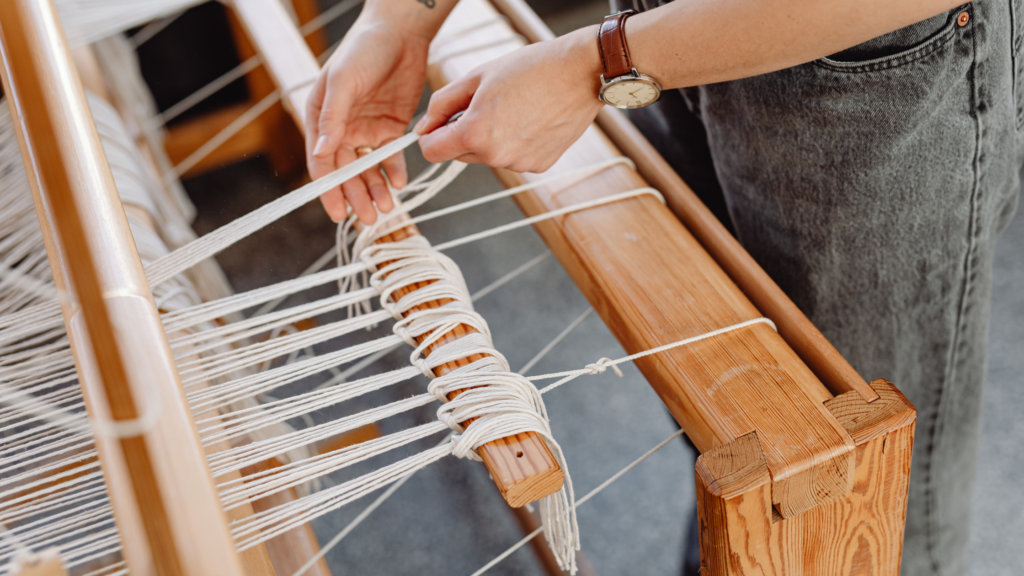
One of the most popular industrial textile materials used in the world is PP woven fabrics which find application in packaging, agriculture, construction, and bulk handling.
Polypropylene (PP) woven fabrics are significant in the current B2B sector with respect to the FIBC bags and jumbo bags to sacks and laminated fabrics.
What is PP Woven Fabric?
PP Woven fabric is produced by woven polypropylene (PP) tapes which are woven in a crisscross to create a powerful, light and strong fabric.
The use of PP woven fabrics is in:
- FIBC / Jumbo Bags
- Cement & fertilizer bags
- Rice, wheat, and sugar sacks
- Industrial packaging
- Laminated & coated fabrics
Explore our FIBC / Jumbo Bags engineered for bulk material handling, export packaging, and heavy-load industrial applications.
What is PP Woven Material?
PP woven is not a natural fiber but is a woven polypropylene plastic fabric. It is designed with strength, resistance to moisture and cost effectiveness.
PP Woven vs PP Non-Woven Fabrics
- PP woven fabrics: fabric obtained through the weaving of PP tapes -high strength and load capacity.
- PP non woven fabrics: It is created by bonding fibers, therefore it is light and breathable.
PP woven fabrics are superior when used in heavy industries.
Our PP Woven Fabrics are trusted by manufacturers for producing sacks, liners, and industrial packaging solutions.
Is PP Material Good or Bad?
Being applied in such a correct manner, PP material can be considered as one of the safest and the most stable plastics.
Is PP Material Safe to Use?
Yes. Polypropylene is BPA-free, non-toxic, and FDA-approved for food-contact applications.
Is PP Material the Same as BPA-Free?
Yes. PP (Polypropylene) does NOT contain BPA, unlike some other plastics.
What Is the Safest Plastic?
Among plastics, PP (Code #5) is widely considered one of the safest.
Is Polypropylene Better Than Cotton?
It depends on the use:
| Factor | Polypropylene | Cotton |
|---|---|---|
| Water resistance | Excellent | Poor |
| Strength | High | Medium |
| Cost | Low | Higher |
| Industrial use | Ideal | Limited |
In the case of industrial packaging, PP woven fabric is feasible than cotton.
We supply PP Woven Bags suitable for agriculture, chemicals, cement, and food-grade packaging requirements.
Is Polypropylene Better Than Plastic?
Polypropylene is a type of plastic, but a safer and more stable one compared to PVC or polystyrene.
Pros and Cons of Polypropylene Fabric
Advantages of PP Woven Fabrics
- Lightweight yet very strong
- Waterproof and chemical resistant.
- Cost-effective
- Recyclable
- Long service life
- Suitable to laminated and coated application.
Disadvantages of Polypropylene Fabric
- Sensitive to UV without treatment
- Low heat resistance
- Not biodegradable
- Can shed microplastics over time
What Is the Problem with Polypropylene?
The biggest worry is on the environment when not recycled. Nonetheless, PP woven fabrics can be recycled 100% and so, they are compatible with the circular economy models.
Microplastics & Health Concerns
Does Wearing Polyester or PP Give Microplastics?
Artificial fabrics (polyester and polypropylene) may release microfibers, primarily during the washing- not regular usage.
Can You Flush Microplastics Out of Your Body?
No established medical approach to completely eliminate microplastics has been proved yet. The most significant ones are prevention and low exposure.
Is Polypropylene Good for Clothes?
Polypropylene is not usually an everyday wear item, but is used in:
- Thermal wear
- Sports base layers
- Industrial protective wear
It is not breathable and non-slippery in comparison to cotton.
Polypropylene vs Polyester
Are PP and Polyester the Same?
No. They are different polymers.
| Feature | Polypropylene (PP) | Polyester (PET) |
| Weight | Lighter | Heavier |
| Water absorption | Very low | Moderate |
| Cost | Lower | Higher |
| Recycling | Easier | More complex |
Which Is Better: PP or PET?
In the case of packaging and woven sacks, it is better with PP. Polyester is preferred in terms of textile and garments.
Our PP Woven Sacks are available in multiple GSMs and sizes to meet high-volume industrial and export demands.
Is Polypropylene Safer Than Polyester?
Yes. PP is considered chemically more inert.
Should You Avoid Polypropylene?
No. Polypropylene is safe, approved, and it is widely used in food, medical and industrial use.
PP Woven Fabrics Laminated & Coated
PP is laminated coated with version added:
- Extra moisture protection
- Better printability
- Increased durability
Applied in heavy amounts in cement, fertilizer, and food grain wrappings.
PP Woven Fabrics HS Code / HSN Code
- PP woven fabrics HS code: 5407 / 6305 (depending on usage)
- PP woven fabrics HSN code (India): 540720 / 630533
(Final classification may vary based on lamination & end use.)
PP HDPE Woven Fabrics
Packaging is done using both PP and HDPE woven fabric, but:
- PP woven fabrics → better flexibility & strength
- HDPE woven fabrics → stiffer, lighter
Are PP Woven Fabrics Recyclable?
Yes. PP woven fabrics are fully recyclable and reusable, and as such, can be used in the sustainable B2B packaging.
Real Industry Experience
Out of bulk packaging manufacturers and exporters, the PP woven fabric is known to be reliable in the world in:
- High load capacity
- Export compliance
- Cost control
- Custom lamination & coating
They can be relied on in the long term in terms of their performance in FIBC bags, jumbo bags, and industrial sacks.
Choose Kraft Jumbo Rolls for sustainable packaging, wrapping, and industrial paper applications.
Conclusion
PP woven fabrics are powerful, safe, economical, and industrial dependable. They are among the most appropriate materials of B2B packaging and bulk handling when selected with the help of appropriate UV treatment, lamination, and recycling strategy.
PP woven fabrics are a smart and proven solution in case you are in manufacturing, export, agriculture and logistics.
