
Chlorinated Paraffin Wax: Properties, Applications, Production, and Safety
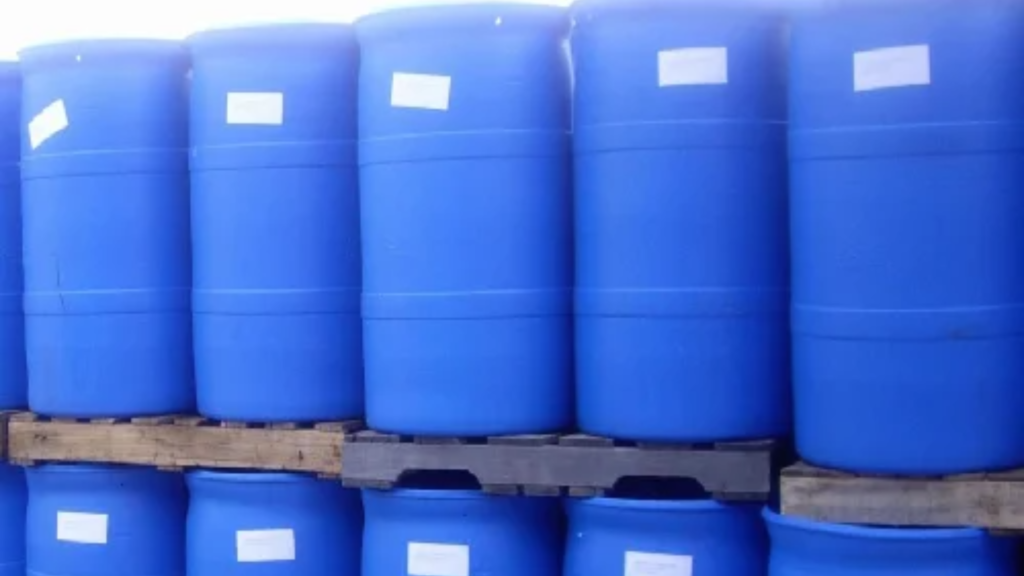
Chlorinated paraffin wax is a common industrial chemical that has good flame-retardant, plasticizing and lubricating qualities. This is a very important aspect in the contemporary manufacturing companies like plastics, rubber, paints, textiles and the metalworking.
As a versatile additive, highly cost effective and performance wise, chlorinated paraffin wax remains a significant additive in various industrial applications.
This paper gives an in-depth description of the chlorinated paraffin wax, its composition, manufacturing process, properties, use, safety issues and relevance in the market.
What Is Chlorinated Paraffin Wax?
The chlorinated paraffin wax (CPW) is an artificial chemical that is formed after chlorinating straight chain paraffin wax obtained by petroleum sources.
It is a complex blend of polychlorinated n-alkanes, chemically, the hydrogen atoms in the hydrocarbon chain are substituted partially with chlorine.
Chlorinated paraffin wax is divided into three major types depending on the length of the carbon chain:
- Short-chain CPW (C10–C13)
- Medium-chain CPW (C14–C17)
- Long-chain CPW (C18 and above)
The length of the carbon chain, and the chlorine content have a direct effect on the physical conditions, viscosity, flame resistance, and end performance of chlorinated paraffin wax.
Chemical Structure and Composition
Chlorinated paraffin wax is a polychlorinated n-alkane and hence it is a multifunctional chemical compound that is chemically stable.
The concentration of chlorine is usually between 30 and 70 percent in weight according to the application need.
The percentage of chlorine increases the flame retardancy, density and resistance to chemical, which is also related to flexibility and physical form.
The significant number of potential chlorine replacement sites causes chlorinated paraffin wax to compose highly complex mixtures of thousands of isomers, and is a source of its flexibility in industry.
Production Process of Chlorinated Paraffin Wax
Chlorination of purified paraffin wax is controlled in the production of chlorinated paraffin wax.
Key Steps in the Process:
- Selection of the Raw Material: Paraffin wax of high purity, of low oil content and straight chain.
- Chlorination Reaction: Chlorine gas reacts with paraffin wax under controlled conditions
- Temperature Control: Typically maintained between 80°C and 100°C
- Reaction Management: UV light can be applied in order to facilitate the reaction.
- Stabilization: Organophosphorus or epoxidized vegetable oils are used as additives to increase thermal stability.
When the required level of chlorine is obtained, residual chlorine and hydrochloric acid are eliminated and a stable end product with predictable performance properties is obtained.
Key Properties of Chlorinated Paraffin Wax
Chlorinated paraffin wax offers a combination of properties that make it valuable in industrial formulations:
- Flame Retardancy: Reduces flammability in polymers and coatings
- Plasticizing Efficiency: Enhances flexibility and durability in PVC and rubber
- Water and Chemical Resistance: Resists water and oil, as well as, chemicals.
- Low Volatility: Stable in a wide range of temperatures.
- Lubrication and Extreme Pressure Performance: Enhances metalworking and processing
Such properties enable CPW to carry out both functional and protective functions in industrial usage.
Types of Chlorinated Paraffin Wax
- Short-Chain CPW (C10-C13): It is usually liquid and has high flame-retardant efficiency.
- Medium-Chain CPW (C14 -C17): The most widespread, balanced performance and stability.
- Long-Chain CPW (C18+): Semi-solid or solid, can be used in high temperature applications.
Physical conditions of the chlorinated paraffin wax lie between the liquid and solid depending on the length of the carbon chains and the percentage of chlorine.
Industrial Applications of Chlorinated Paraffin Wax
PVC and Plastic Compounds
Used in wires, cables, flooring, films, footwear, window profiles and hoses as a secondary plasticizer in flexible PVC.
Rubber and Conveyor Belts
Increases fire resistantness, flexibility and durability of rubber products, such as conveyor belts and the V-belts.
Paints and Coatings
Enhances the adhesion, water resistance, chemical stability and flame resistance of industrial and specialty coatings.
Textiles and Fabrics
Used in treating fabrics in order to provide lubrication and better weaving performance as well as flame resistant properties in carpets, tarpaulins and tents.
Metalworking Fluids
Works as a severe pressure additive, which creates a protective layer that decreases the wear and development of tools and welds.
Sealants, Adhesives, and Caulks
Applied in polyurethane and polysulfide sealants as an aid to flexibility and long life.
Benefits of Using Chlorinated Paraffin Wax
- Lowers formulation and manufacturing expenses.
- Enhances resistance to fire on finished products.
- Increases thermal and mechanical stability.
- It is compatible with a broad spectrum of resins and polymers.
- Enhances efficiency and life of product.
Safety, Health, and Environmental Considerations
Safe handling of chlorinated paraffin wax is essential in industrial environments.
- Wear proper PPE such as gloves and safety goggles.
- Do not spend a lot of time in eye and skin contact.
- Store in cool dry well-ventilated places.
- Store containers with tightly closed lids and store containers not in direct sunlight.
Because of environmental persistence, regulatory bodies have imposed limitations on some short chlorinated paraffins.
SCCP and MCCP regulations should be known to be used responsible and sourced responsibly.
Chlorinated Paraffin Wax in the Indian and Global Market
The chlorinated paraffin wax is experiencing demand within India because of the PVC, infrastructure, cable, and rubber growth.
CPW is still manufactured and distributed in large quantities all over the globe to be used in flame-retardant and plasticizing purposes.
Regular quality, regulated chlorine level, and regulatory conformity are the major market demands.
Choosing the Right Paraffin Wax for the Chlorinated Industry
In order to have effective chlorination and high quality CPW production the base paraffin wax must contain:
- Grade Fully refined or semi-refined.
- Low oil content (0.5%–1.5%)
- Stable melting point between 58°C and 64°C
- Nobility and uniform composition.
The proper selection of the paraffin wax guarantees consistency in chlorination and the overall consistency in end product performance.
Frequently Asked Questions (FAQs)
What kind of paraffin wax do we use in the chlorinated business?
It is desirable to use fully refined or semi-refined paraffin wax of low oil content.
What is the significance of quality of wax used in the production of chlorinated paraffin wax?
Good quality of wax makes the process of chlorination to be easy, as well as the stability and stability.
What are the main specifications of the paraffin wax to be used in chlorination?
Specifications must be in terms of low oil content, stable melting point and high purity.
Conclusion
Chlorinated paraffin wax continues to be a significant industrial additive because of its flame retardancy, plasticizing ability, lubrication as well as cost effectiveness.
Its application in a large variety of applications in plastics, rubber, coatings, textiles, and metalworking indicates its industrial significance.
The availability of quality raw materials and adherence to the best safety and regulatory standards are the guarantee of the conscientious performance and sustainability in the contemporary manufacturing.
